Space
FDA Clears Personalized Brain Stimulation Therapy for PTSD
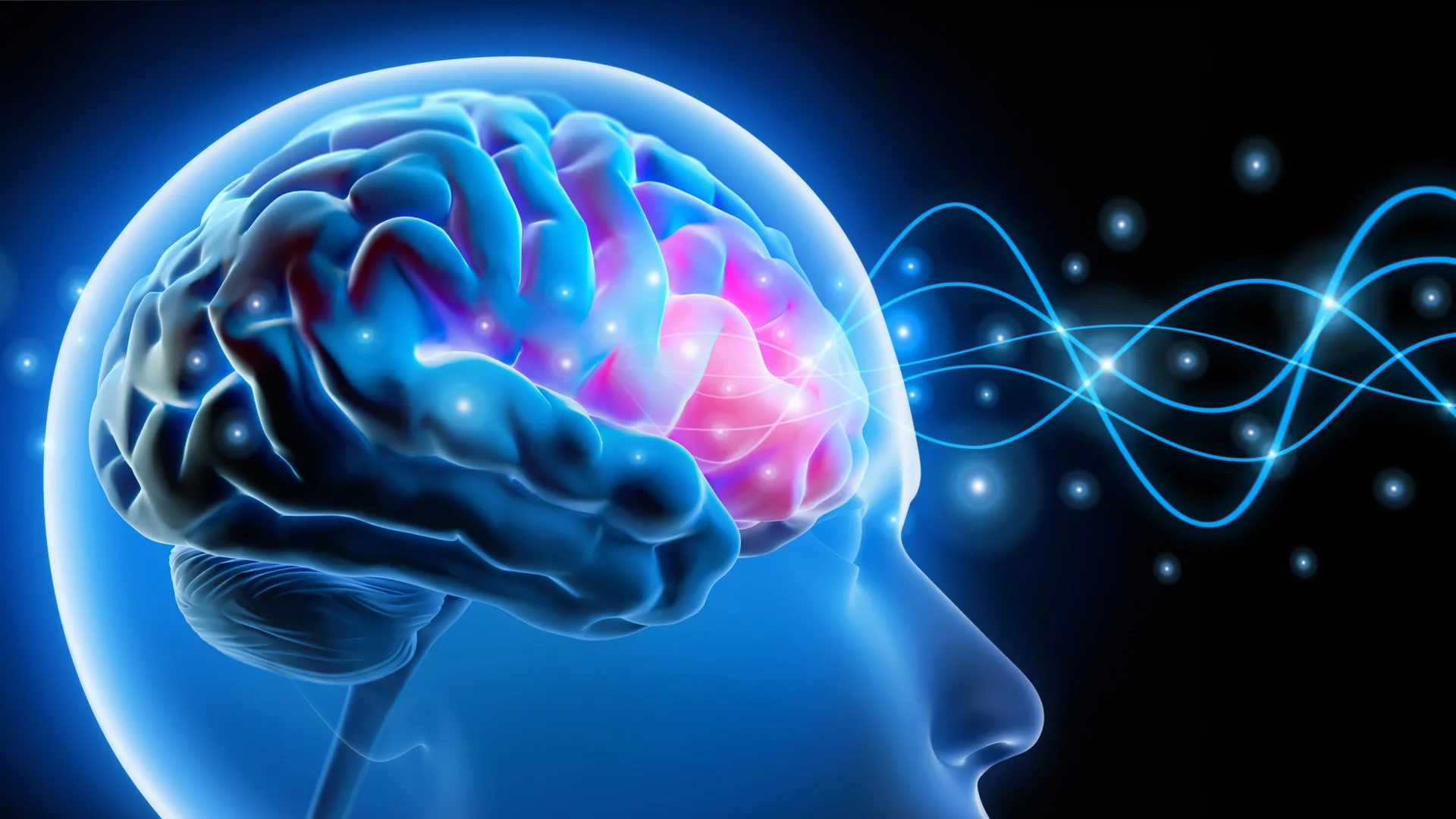
A new AI-guided magnetic brain stimulation system has received FDA clearance for PTSD, showing 68% remission rates in clinical trials.
A new AI-guided magnetic brain stimulation system has received FDA clearance for PTSD, showing 68% remission rates in clinical trials.
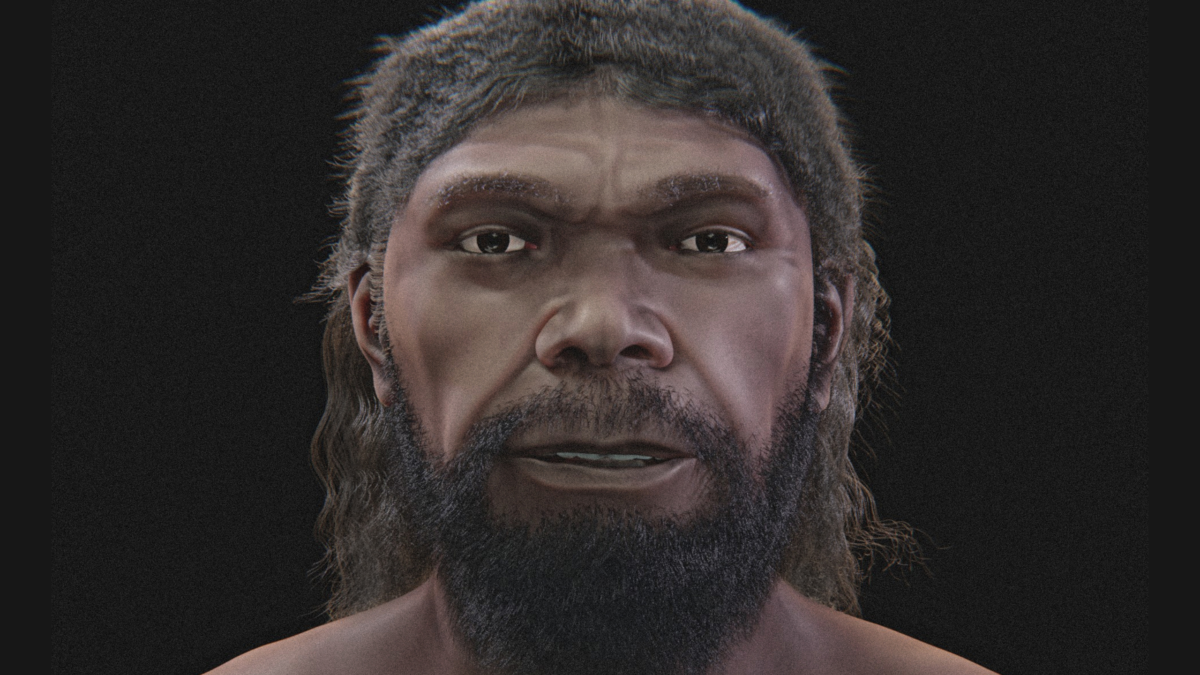
A digital facial approximation built from 315,000-year-old Moroccan fossils reveals what the earliest known Homo sapiens may have looked like.
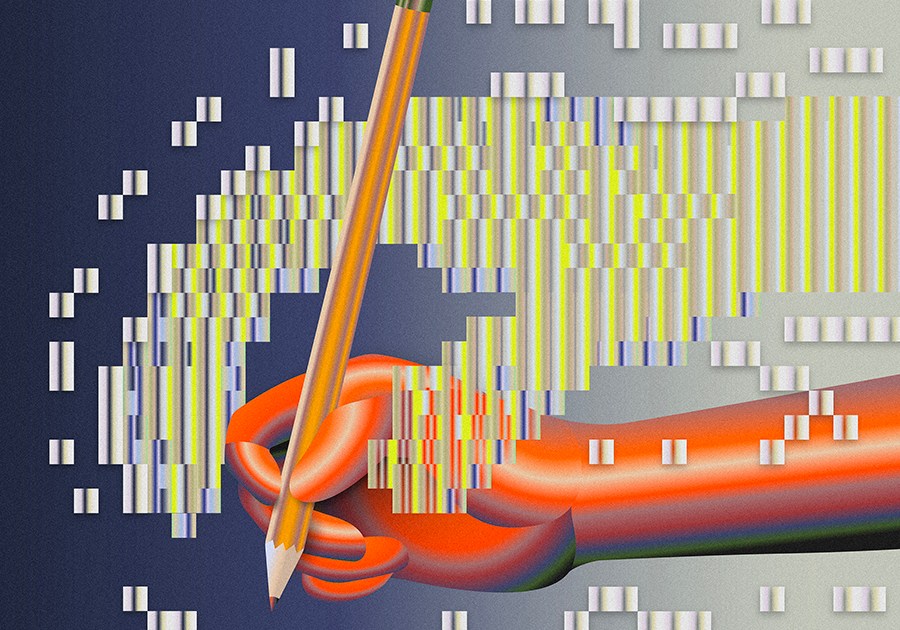
A science writer tests an AI detector on her own work and confronts how artificial intelligence is reshaping not just the industry, but her sense of her own voi
A 47-year Swedish study found fitness begins declining around age 35. But becoming more active at any age still produces meaningful gains.
A new study links CGRP-blocking migraine medications to a 40% higher miscarriage risk. Researchers caution the findings are observational and limited.
A BYU study found couples who exercise together report better communication, conflict resolution, and less marital stress than those who work out separately.
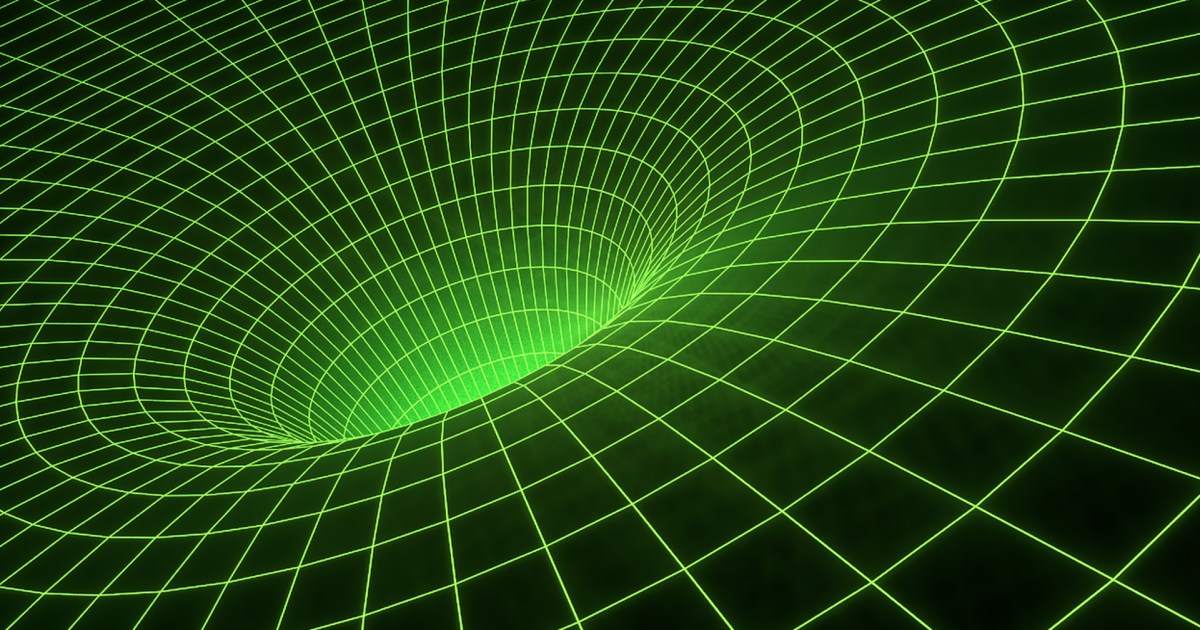
Black holes shrink through Hawking radiation, but do they ever expose what's inside? Here's what physics predicts about their final fate.
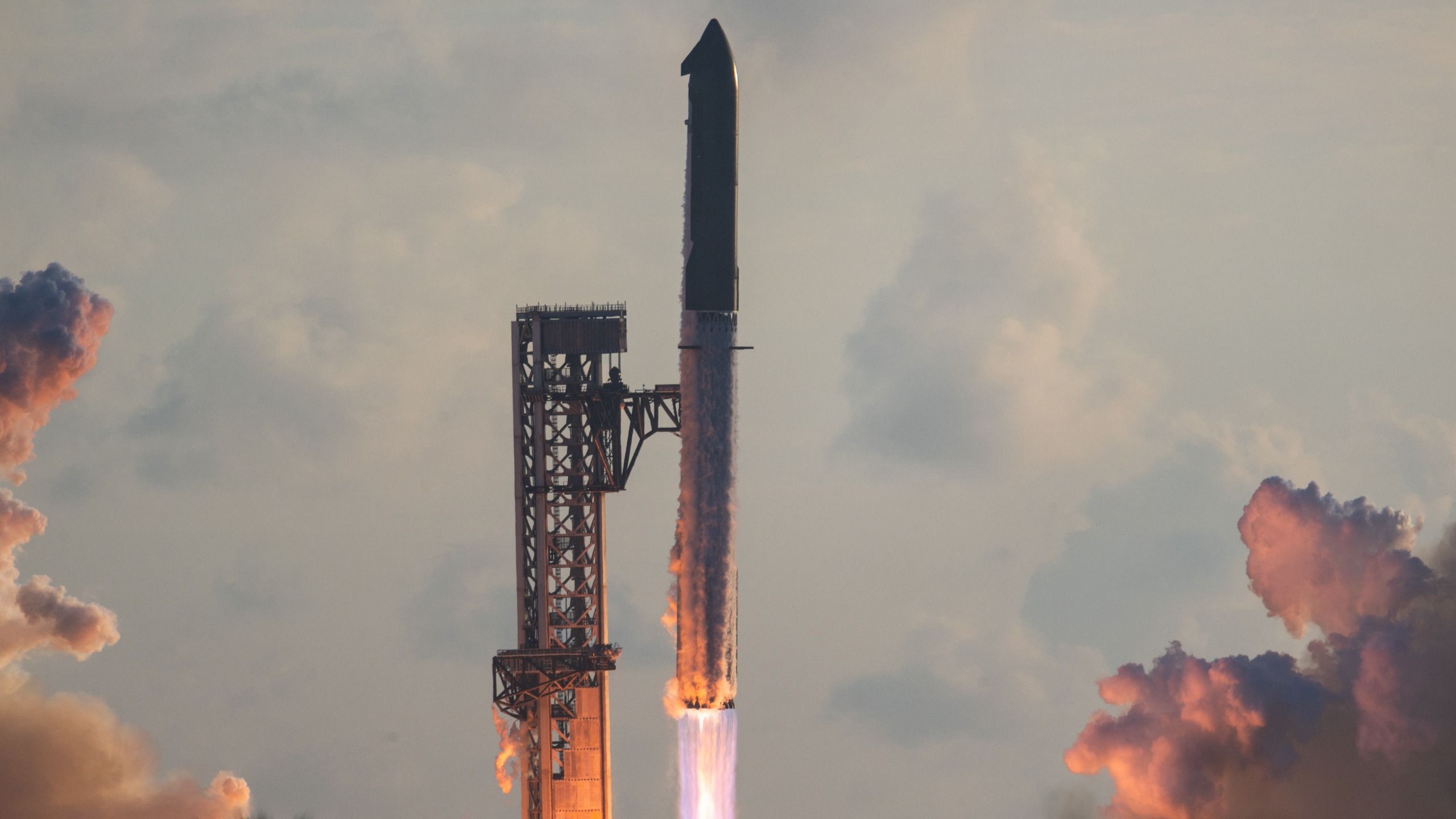
Starship reached orbit for the first time on Sept. 28, but an engine failure cut the mission short and the rocket exploded at sea.
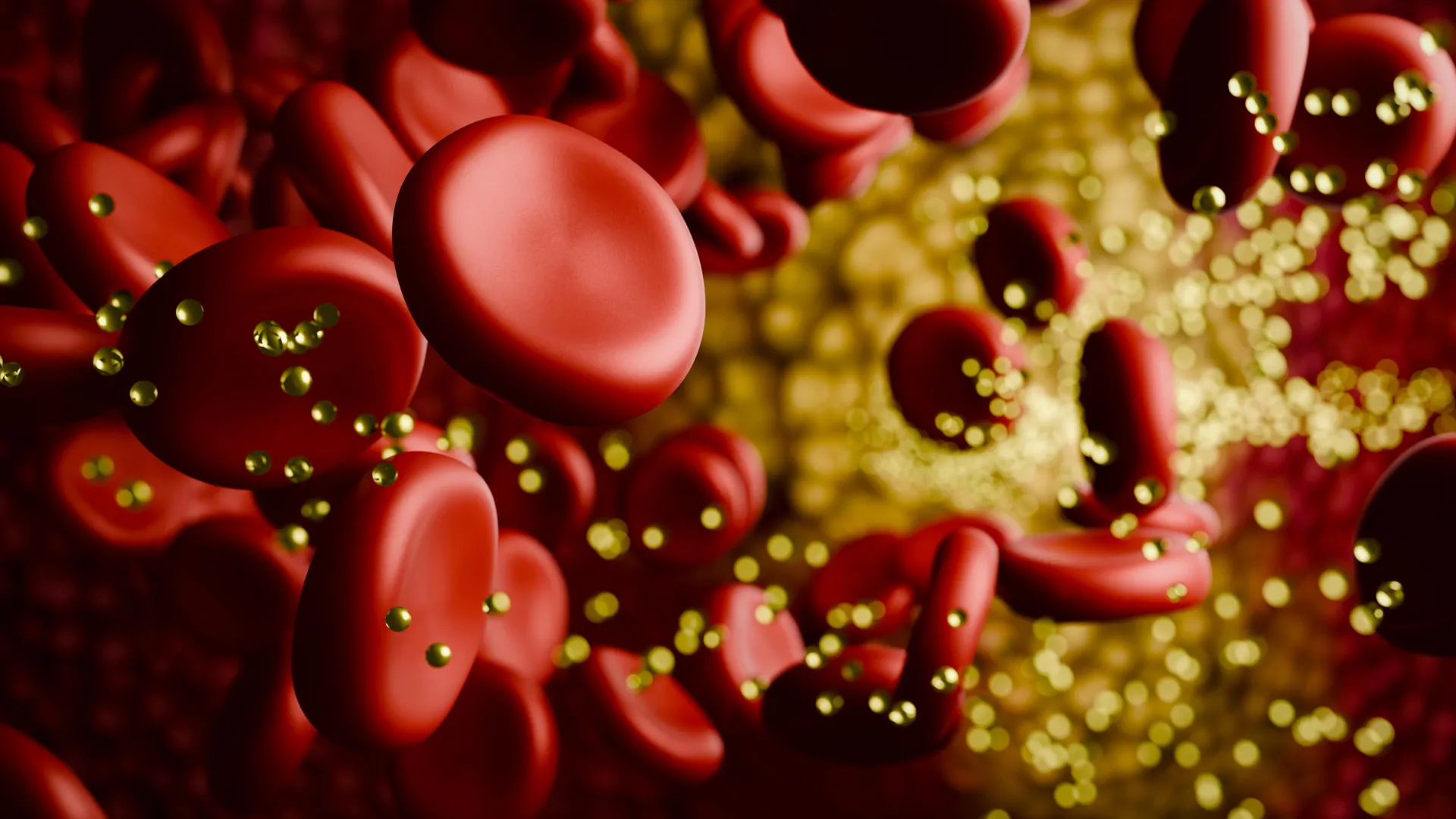
A single infusion of CRISPR gene-editing therapy reduced LDL cholesterol by 52.5% and triglycerides by 47.8% in a Cleveland Clinic trial.
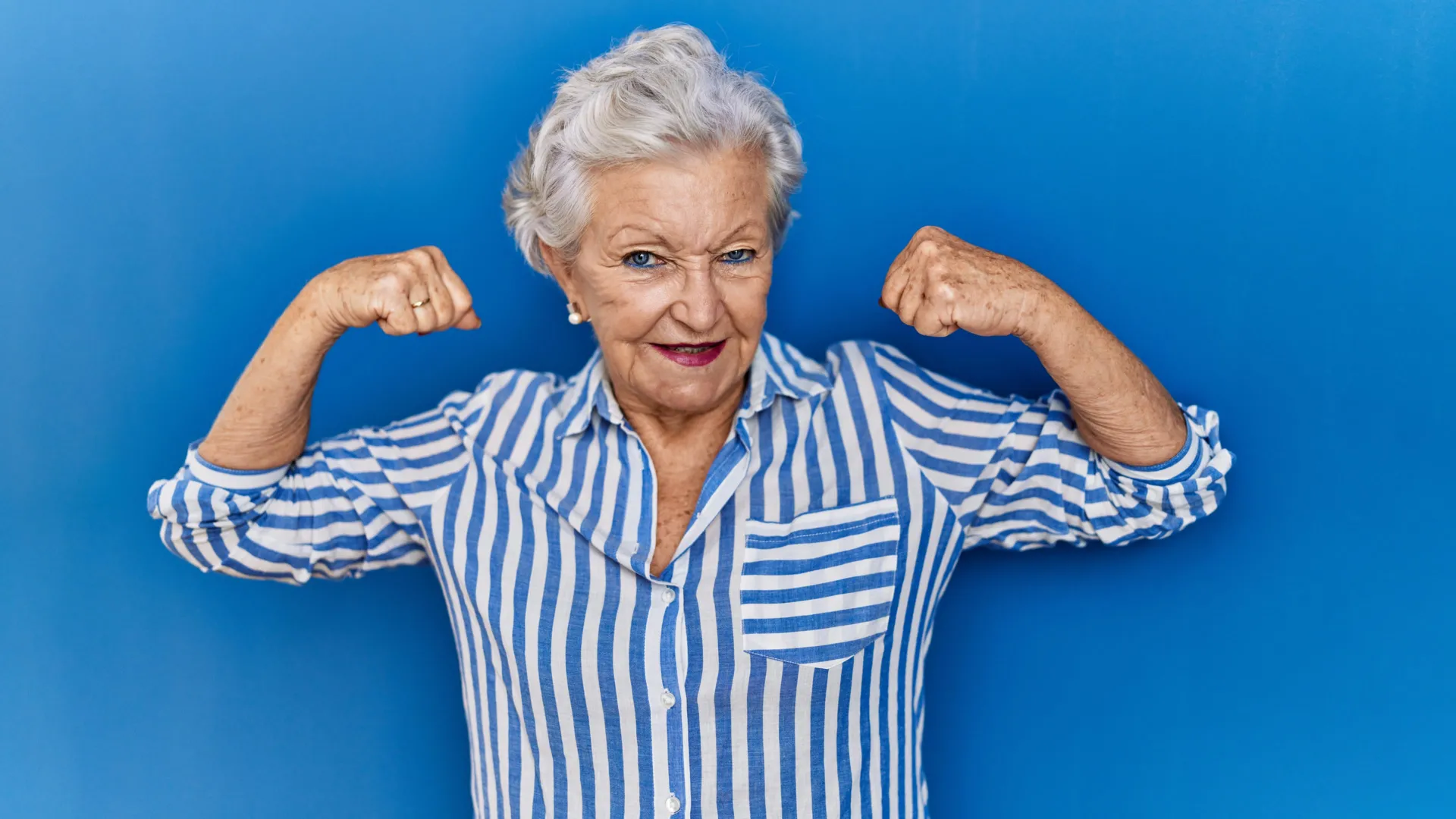
Researchers found that nerve-to-muscle signaling fails with age. A protein target may offer a path to restoring muscle strength in older adults.
Researchers at ETH Zurich and PSI are building an experiment to test whether Einstein's equivalence principle holds for muons, a heavier cousin of the electron.
A researcher discovered a torn parchment containing lines from Homer's Odyssey tucked inside a Dutch library collection. The fragment dates to around A.D. 300.
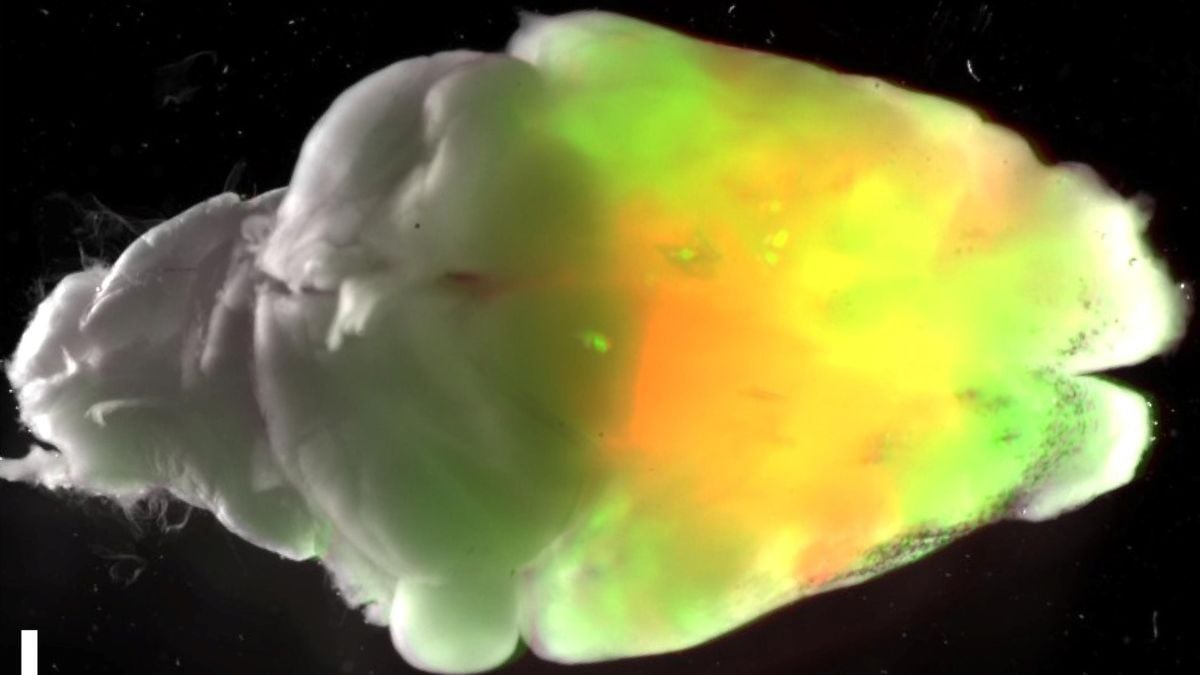
Stanford researchers grew human cortical tissue inside mice, where it expanded to fill 90% of cortical volume and wired into the mouse nervous system.
Dr. Jen Gunter explains the biology of menstruation and menopause, and why centuries of misinformation have harmed women's health.
A new study suggests immune cells activated outside the brain may drive Alzheimer's neurodegeneration, pointing to potential new treatment targets.