Curiosities
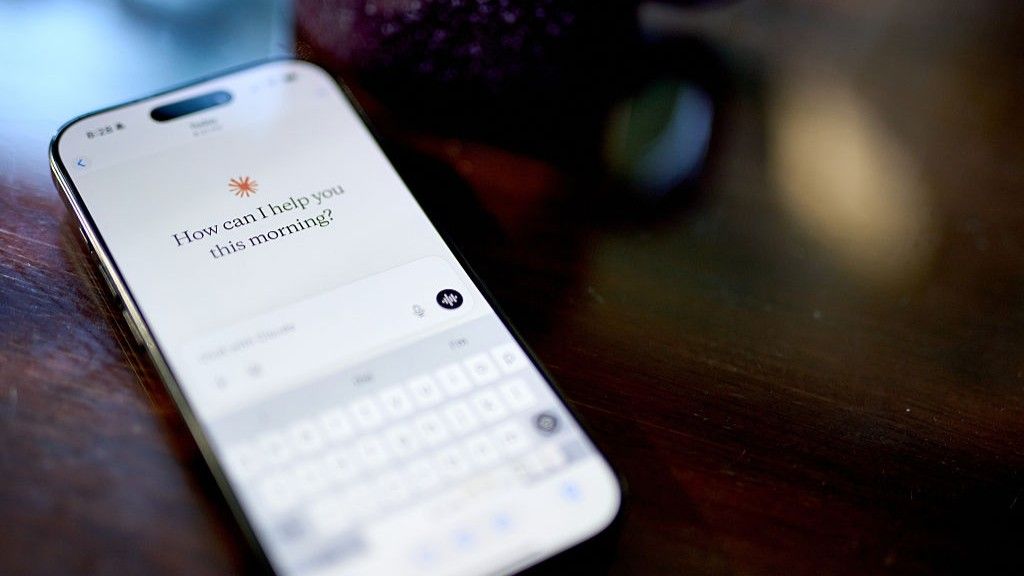
AI Assistance for Just 10 Minutes Can Erode Motivation, Study Finds
New research shows that briefly relying on AI to solve simple problems makes people less capable and more likely to quit when that help is removed.
New research shows that briefly relying on AI to solve simple problems makes people less capable and more likely to quit when that help is removed.
A new AI-guided magnetic brain stimulation system has received FDA clearance for PTSD, showing 68% remission rates in clinical trials.
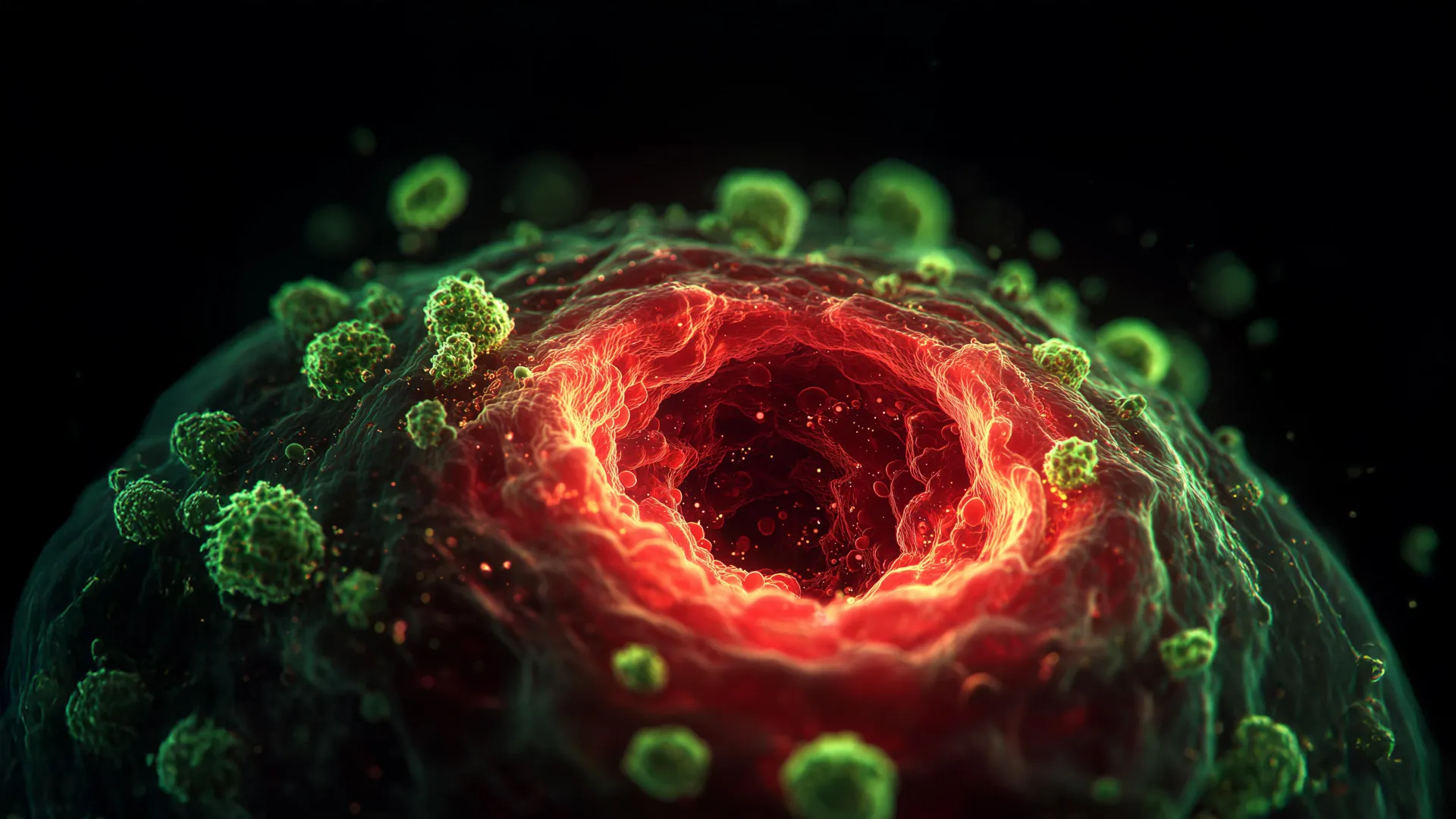
Too much RNA inside cells can directly damage mitochondria and disrupt energy production, with implications for vaccines, aging, and disease.
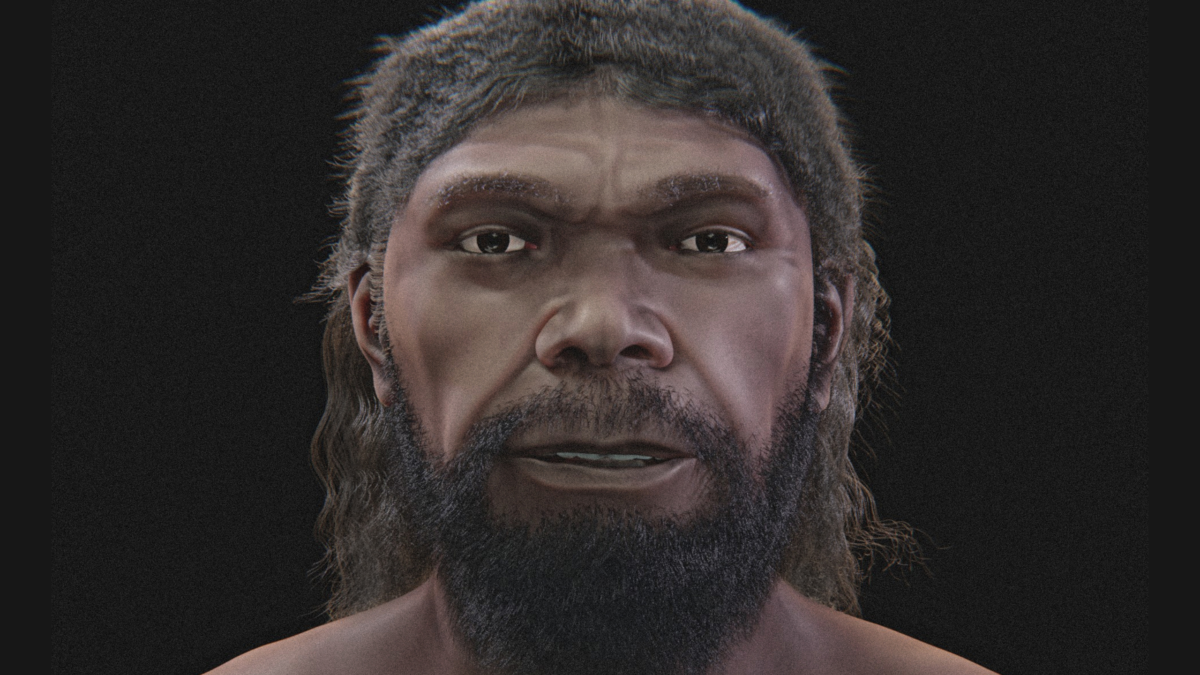
A digital facial approximation built from 315,000-year-old Moroccan fossils reveals what the earliest known Homo sapiens may have looked like.
A science writer tests an AI detector on her own work and confronts how artificial intelligence is reshaping not just the industry, but her sense of her own voi
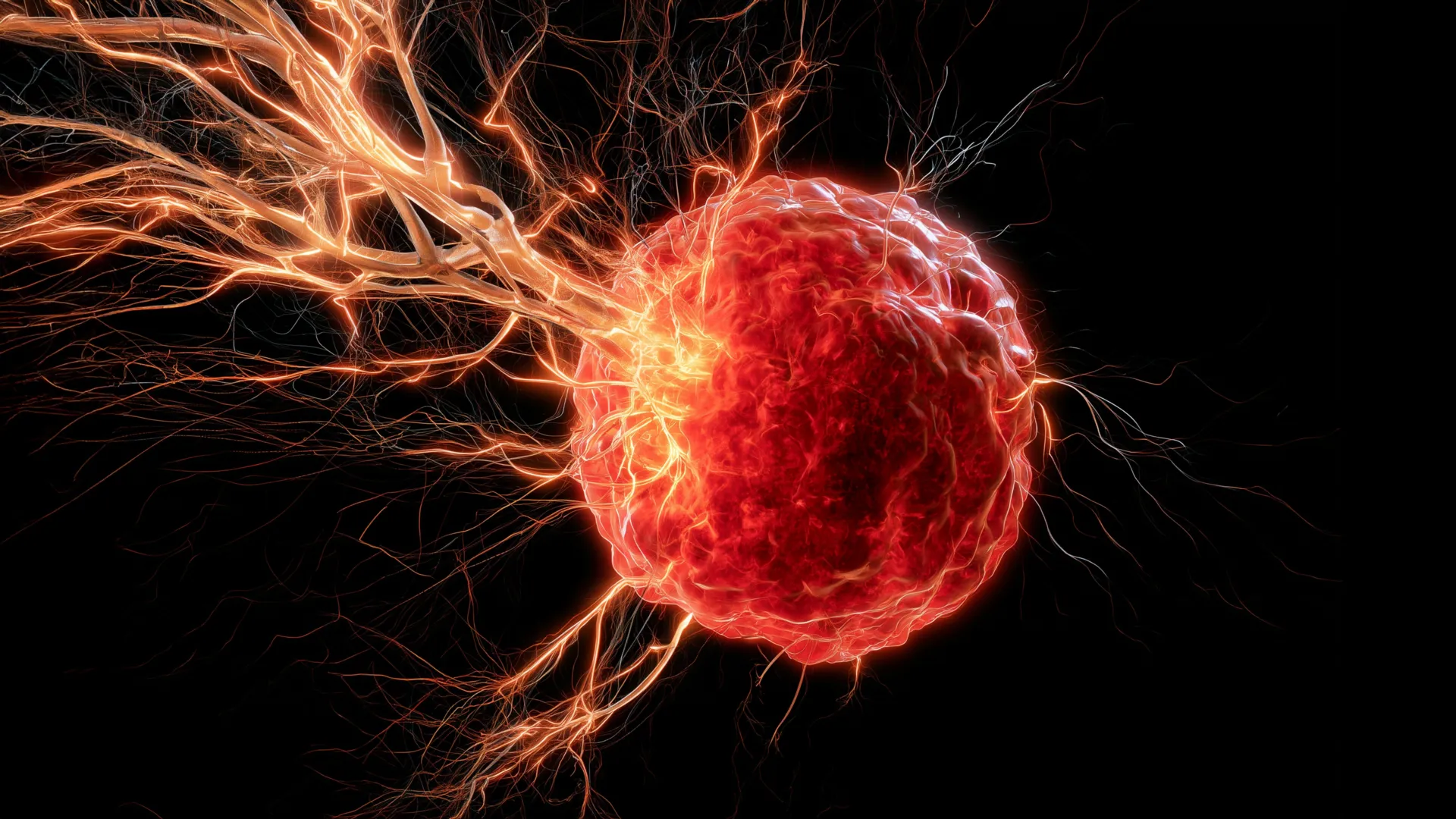
Scientists found that activating PPARD in immune cells boosts their ability to fight tumors, offering a new path for hard-to-treat cancers.
A 47-year Swedish study found fitness begins declining around age 35. But becoming more active at any age still produces meaningful gains.
A Penn State study found that physical activity early in life may permanently reduce how much energy the body needs to move as an adult.
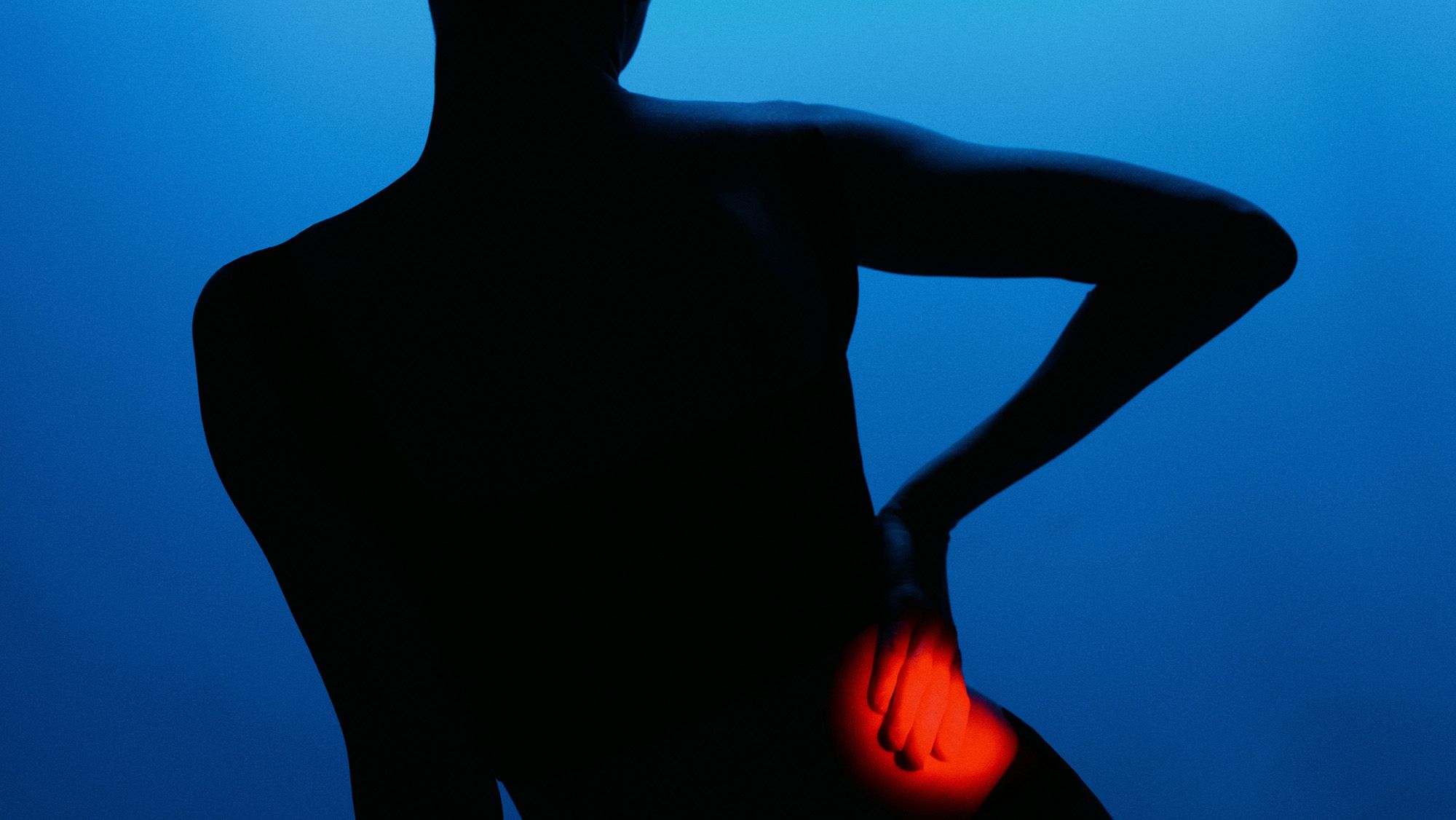
Scientists found that movement-induced chronic back pain activates the brain's default mode network, which is linked to self-reflection and mind wandering.
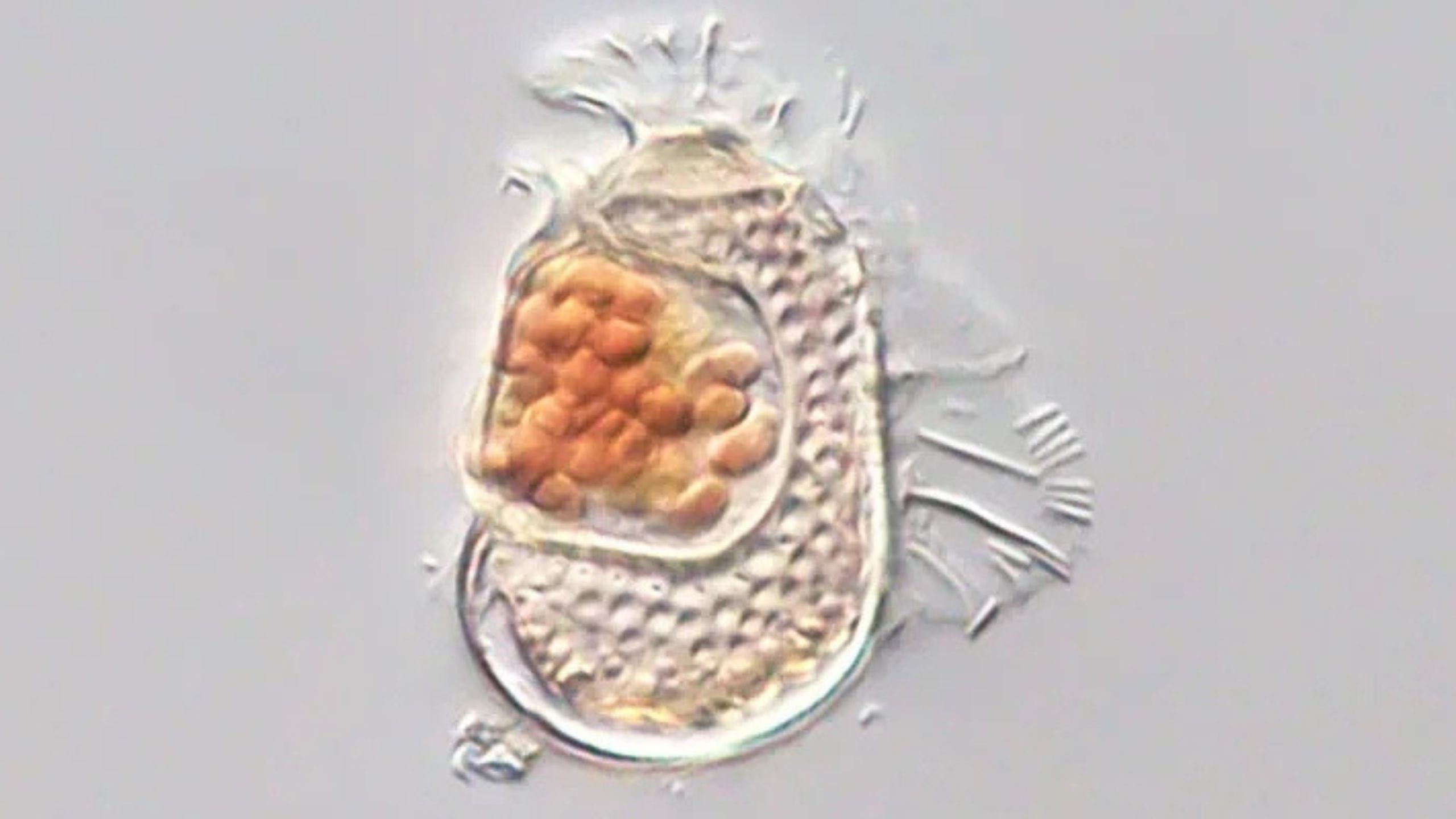
A marine microbe named *Sukunaarchaeum mirabile* has a genome of just 238 kilobase pairs — smaller than some viruses — and may be a parasite.
New research finds stable, potentially habitable orbits are possible around one star in the 70 Ophiuchi binary system, just 16 light-years away.
A new study links CGRP-blocking migraine medications to a 40% higher miscarriage risk. Researchers caution the findings are observational and limited.
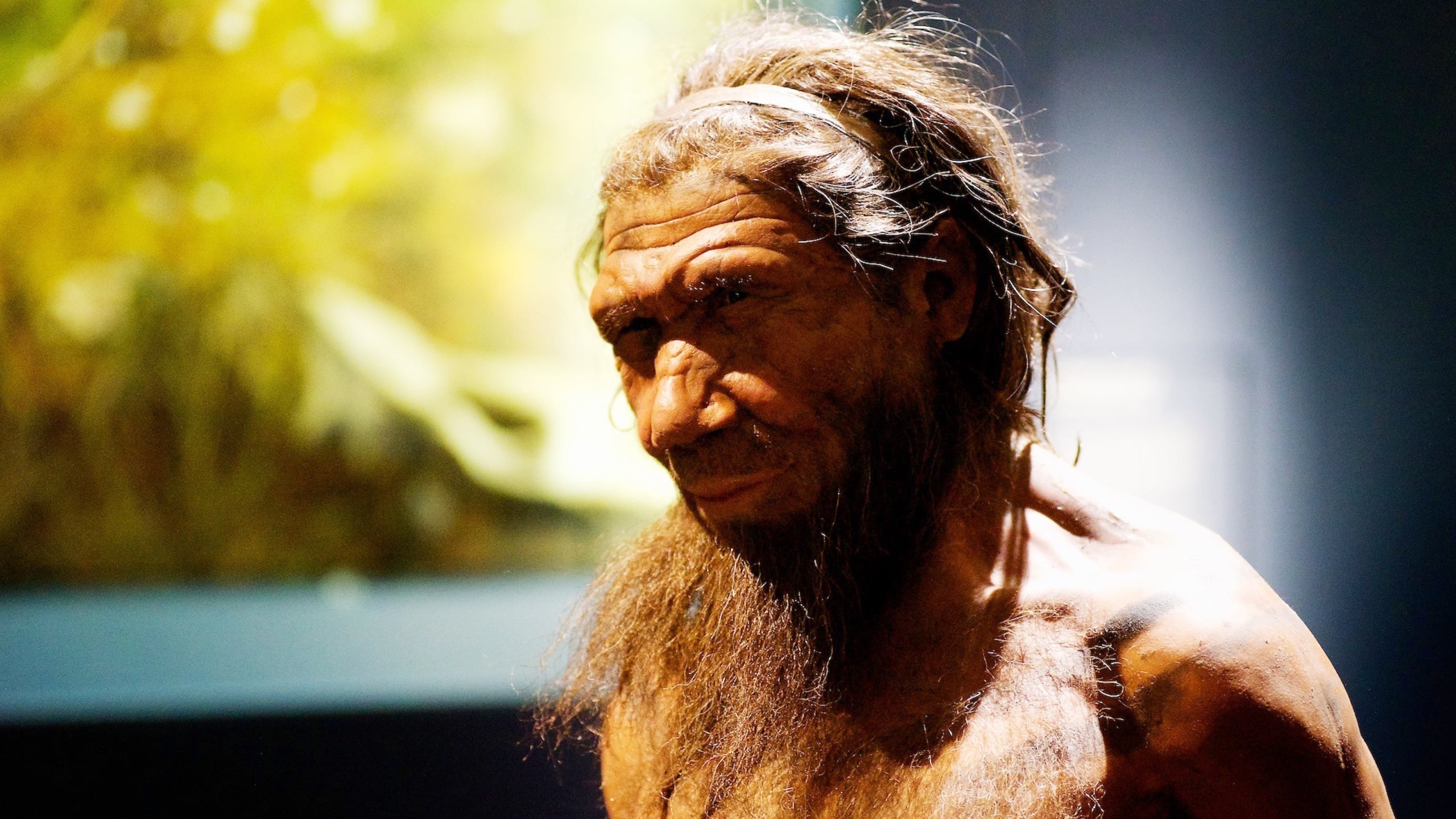
Archaeologists in Barcelona uncovered 597 wood imprints at a Neanderthal site, including tools, spears, and a wooden club — the first of its kind.
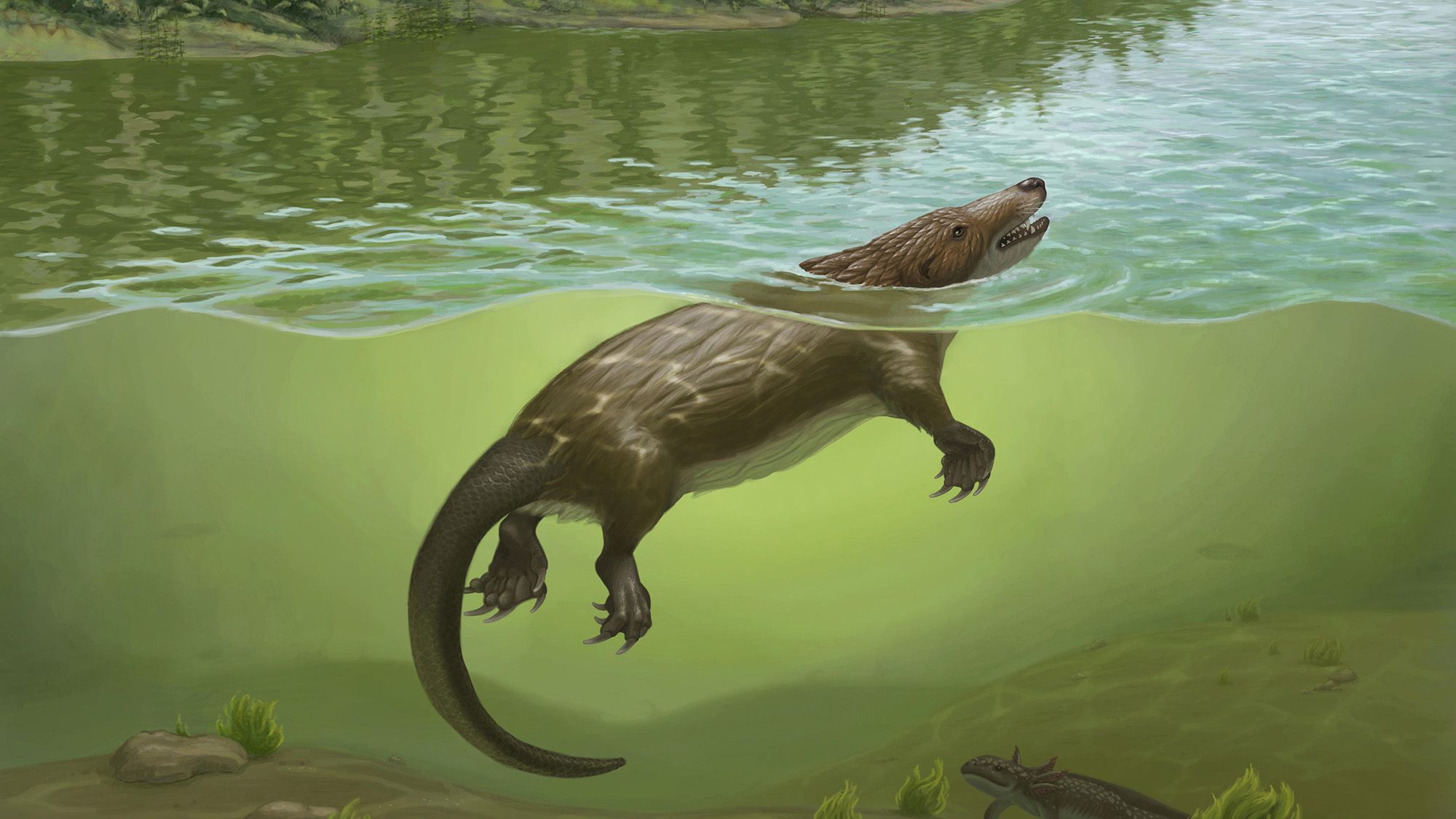
A newly discovered Jurassic creature is the largest-known mammal relative of its era, weighing about as much as a Chihuahua.
A BYU study found couples who exercise together report better communication, conflict resolution, and less marital stress than those who work out separately.
A small trial found that paricalcitol, combined with chemotherapy, reduced tumor-protecting fibroblasts and showed encouraging survival signals in pancreatic ca
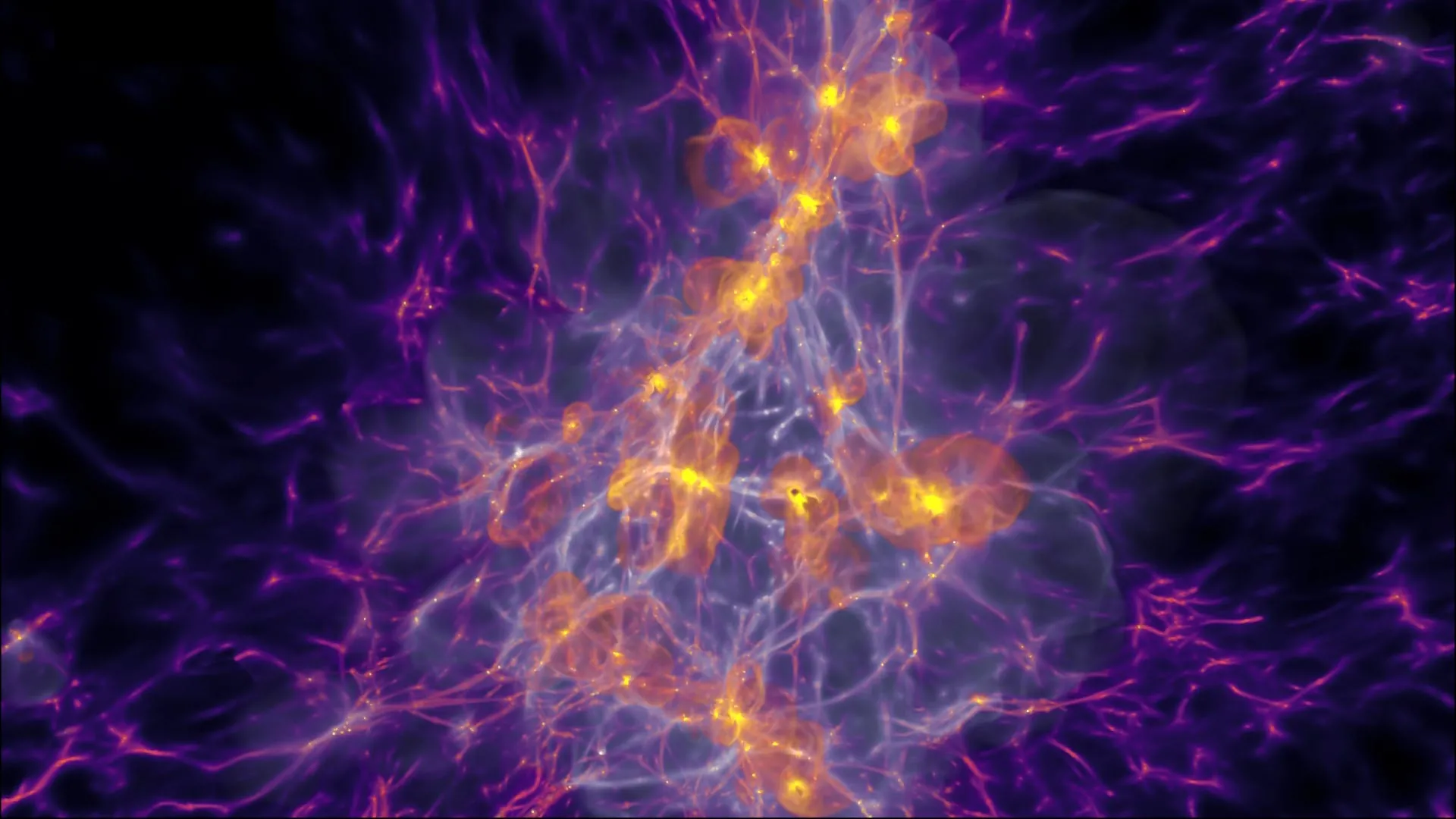
The MEGATRON project uses advanced cosmological simulations to connect James Webb Space Telescope data with chemical clues preserved in ancient stars.