Tech
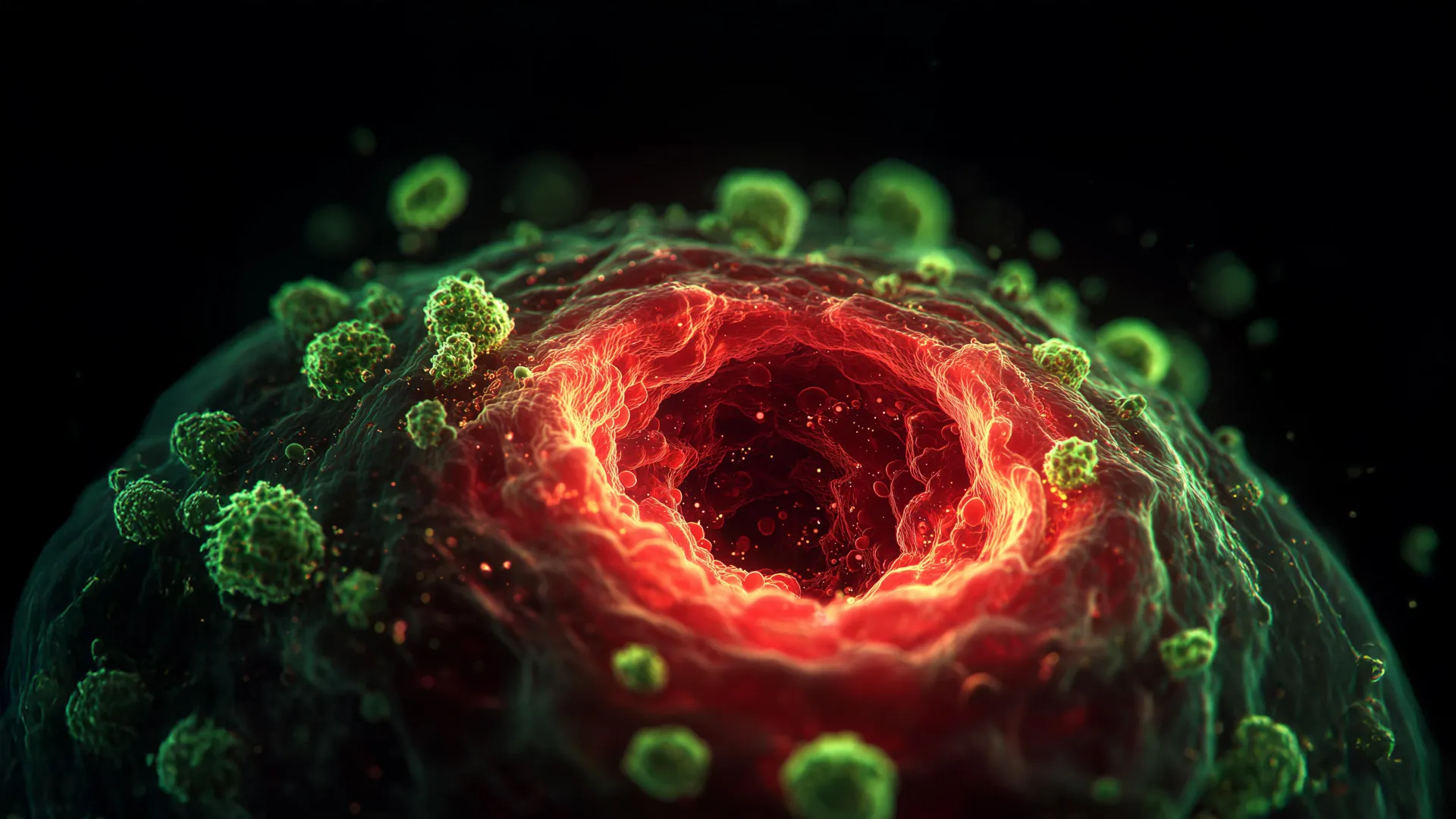
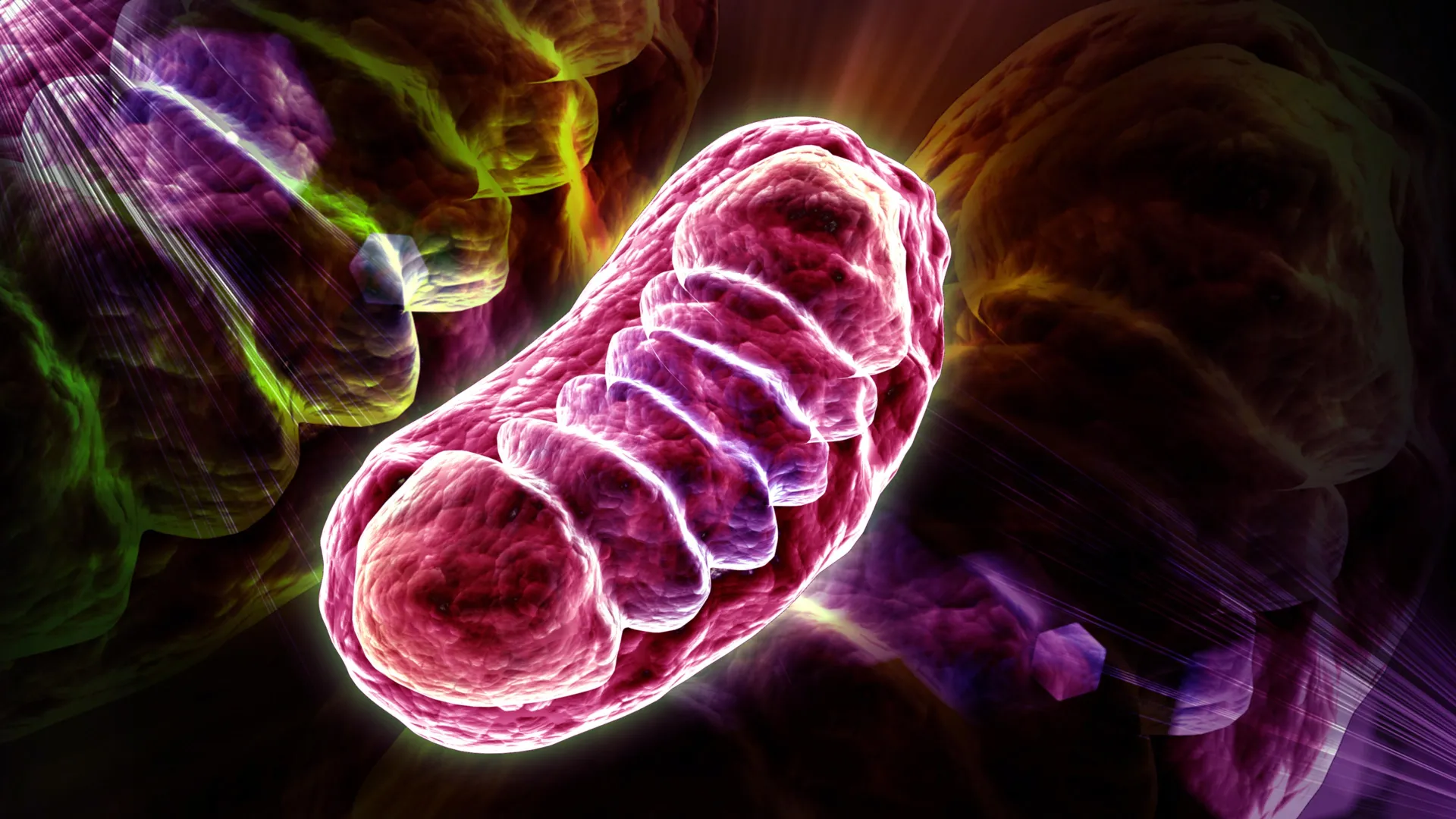
Excess RNA Damages Mitochondria, Study Finds New Cellular Threat
Too much RNA inside cells can directly damage mitochondria and disrupt energy production, with implications for vaccines, aging, and disease.
Too much RNA inside cells can directly damage mitochondria and disrupt energy production, with implications for vaccines, aging, and disease.
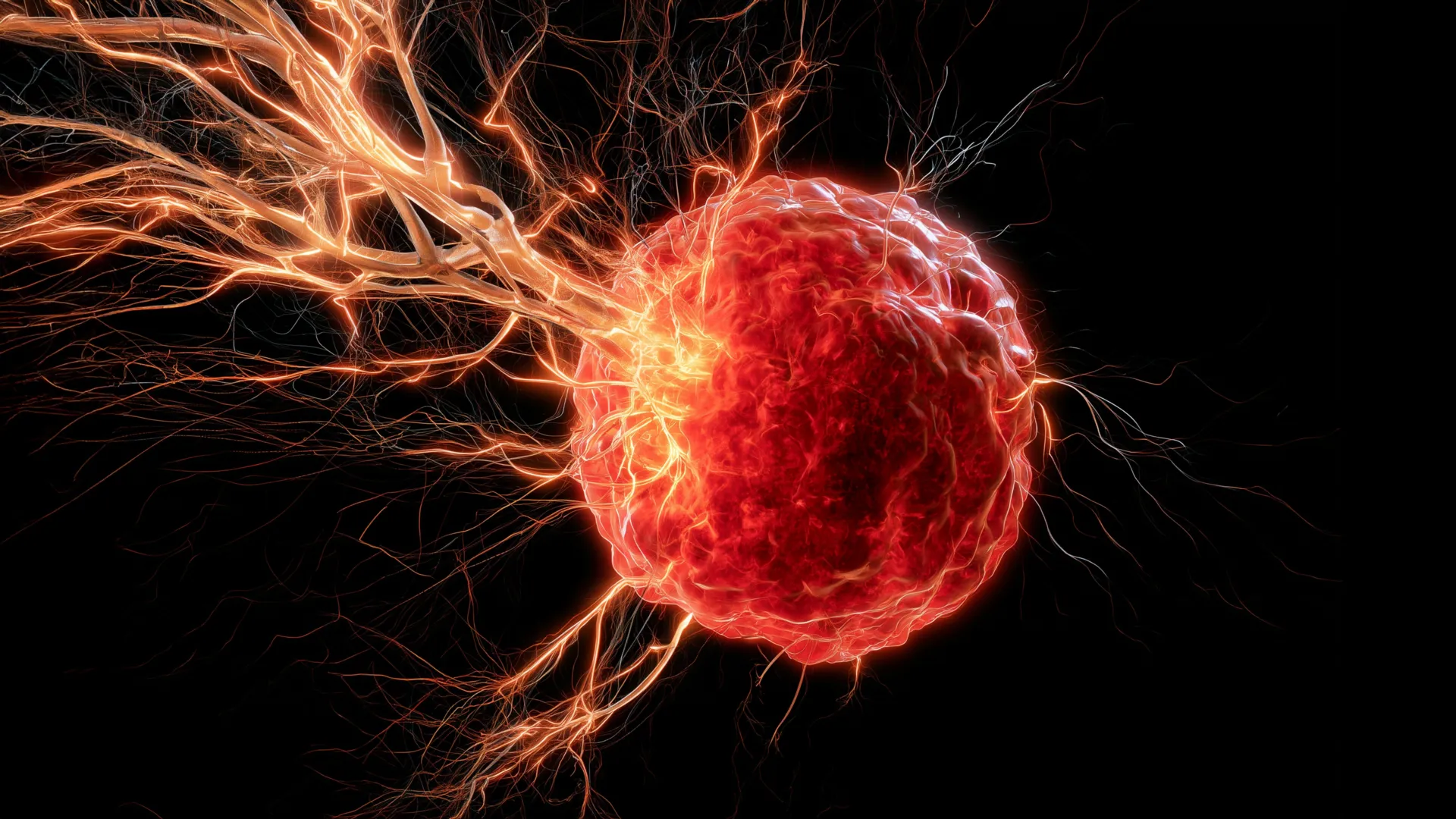
Scientists found that activating PPARD in immune cells boosts their ability to fight tumors, offering a new path for hard-to-treat cancers.
A Penn State study found that physical activity early in life may permanently reduce how much energy the body needs to move as an adult.
Archaeologists in Barcelona uncovered 597 wood imprints at a Neanderthal site, including tools, spears, and a wooden club — the first of its kind.
A small trial found that paricalcitol, combined with chemotherapy, reduced tumor-protecting fibroblasts and showed encouraging survival signals in pancreatic ca
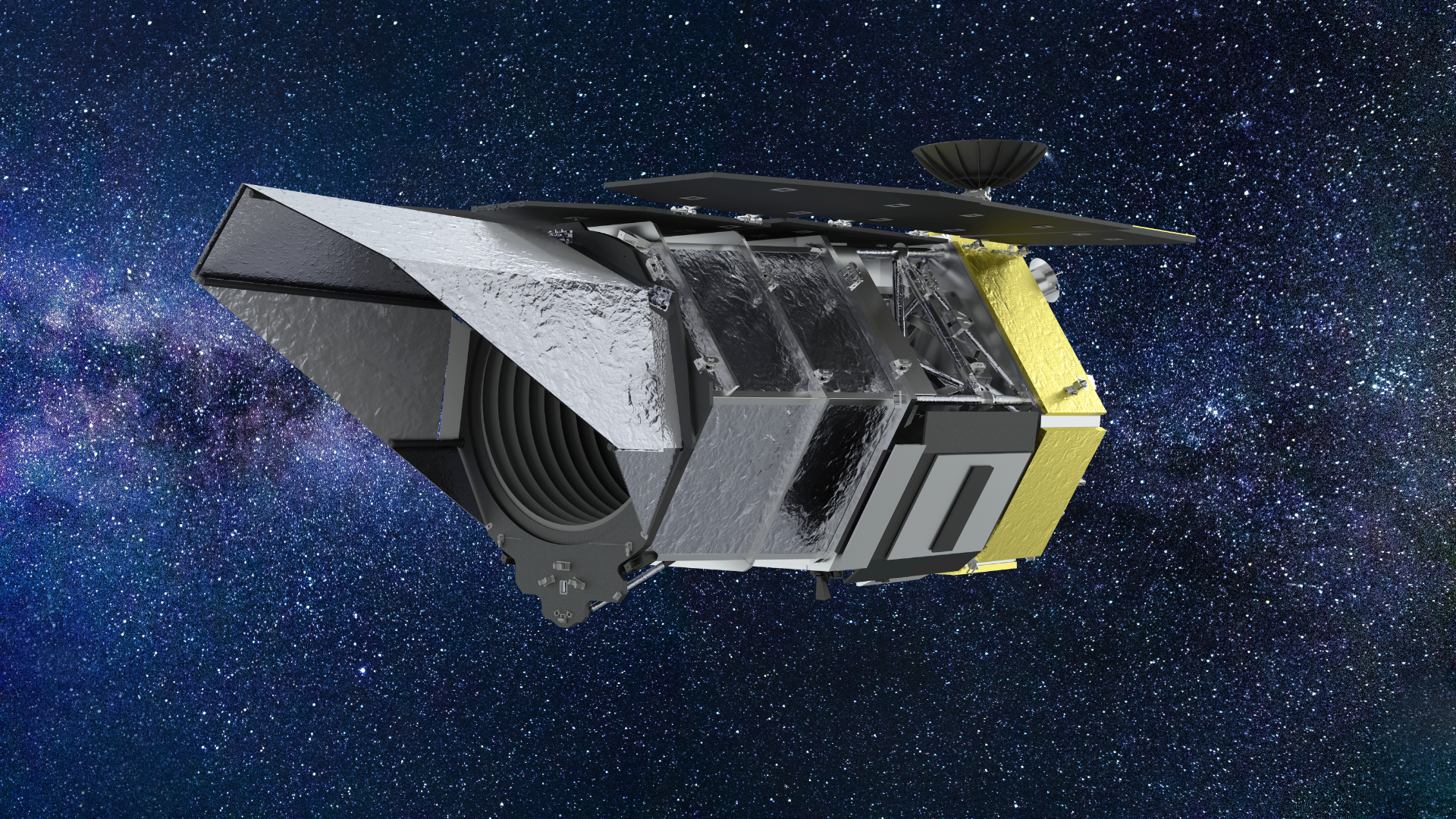
NASA's Roman Space Telescope is heading to Lagrange point L2 to study dark energy and habitable exoplanets with a 300-megapixel wide-field camera.
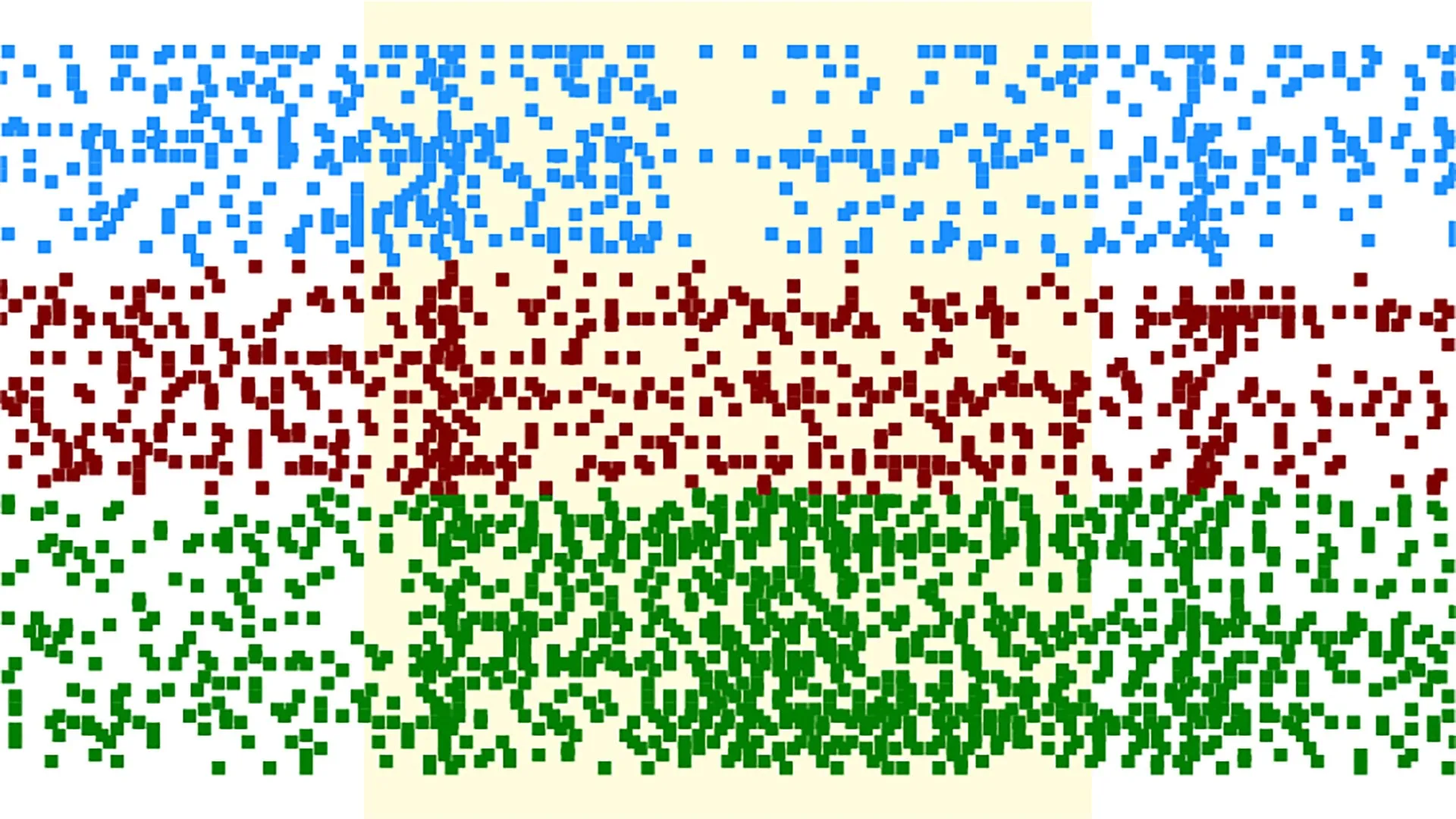
New research shows the brain may resolve visual conflicts through a "consensus building" process between neighboring cortex regions.
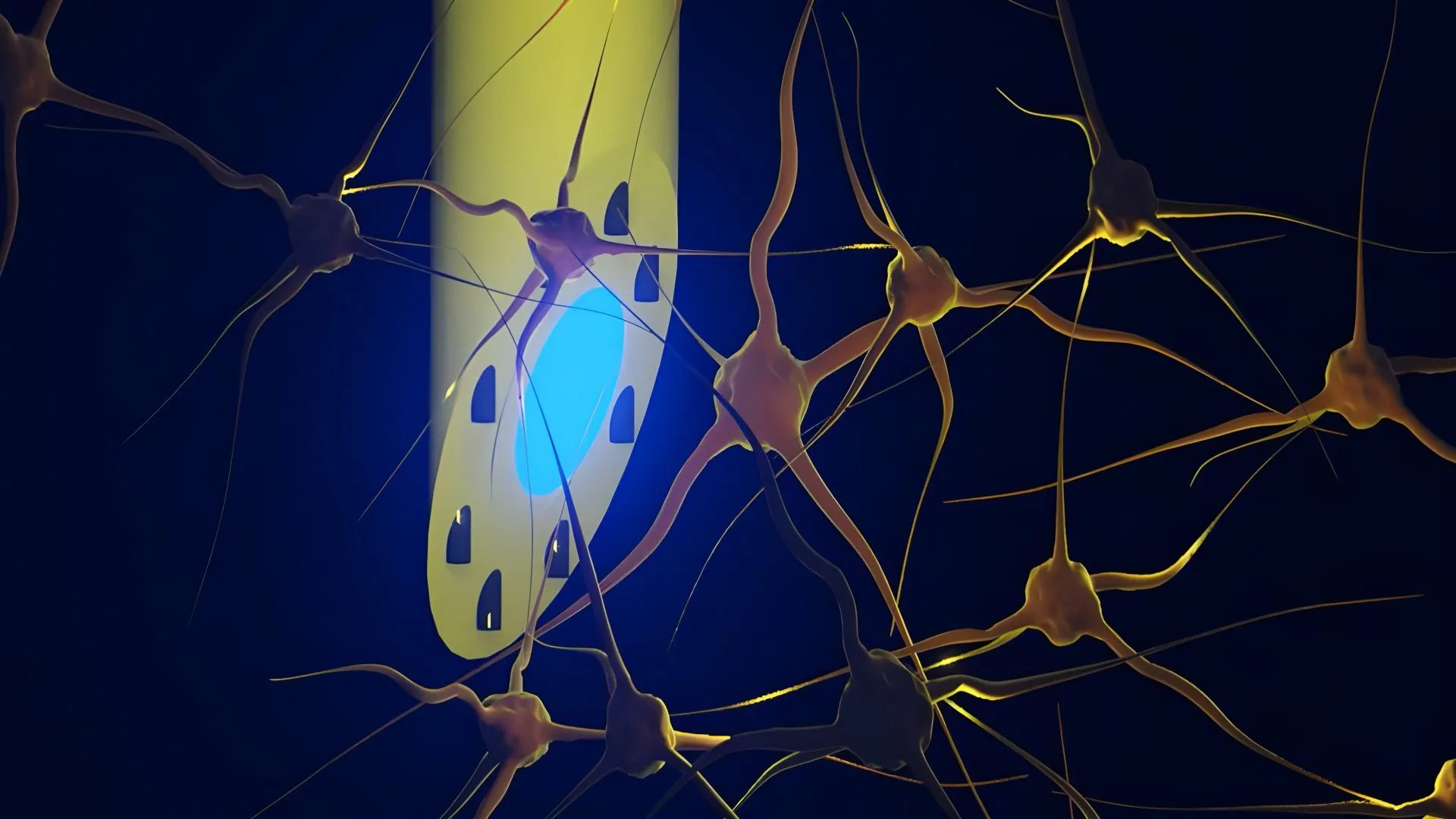
A needle-thin brain implant with microchannels can record neural activity and deliver drugs to multiple brain locations simultaneously.
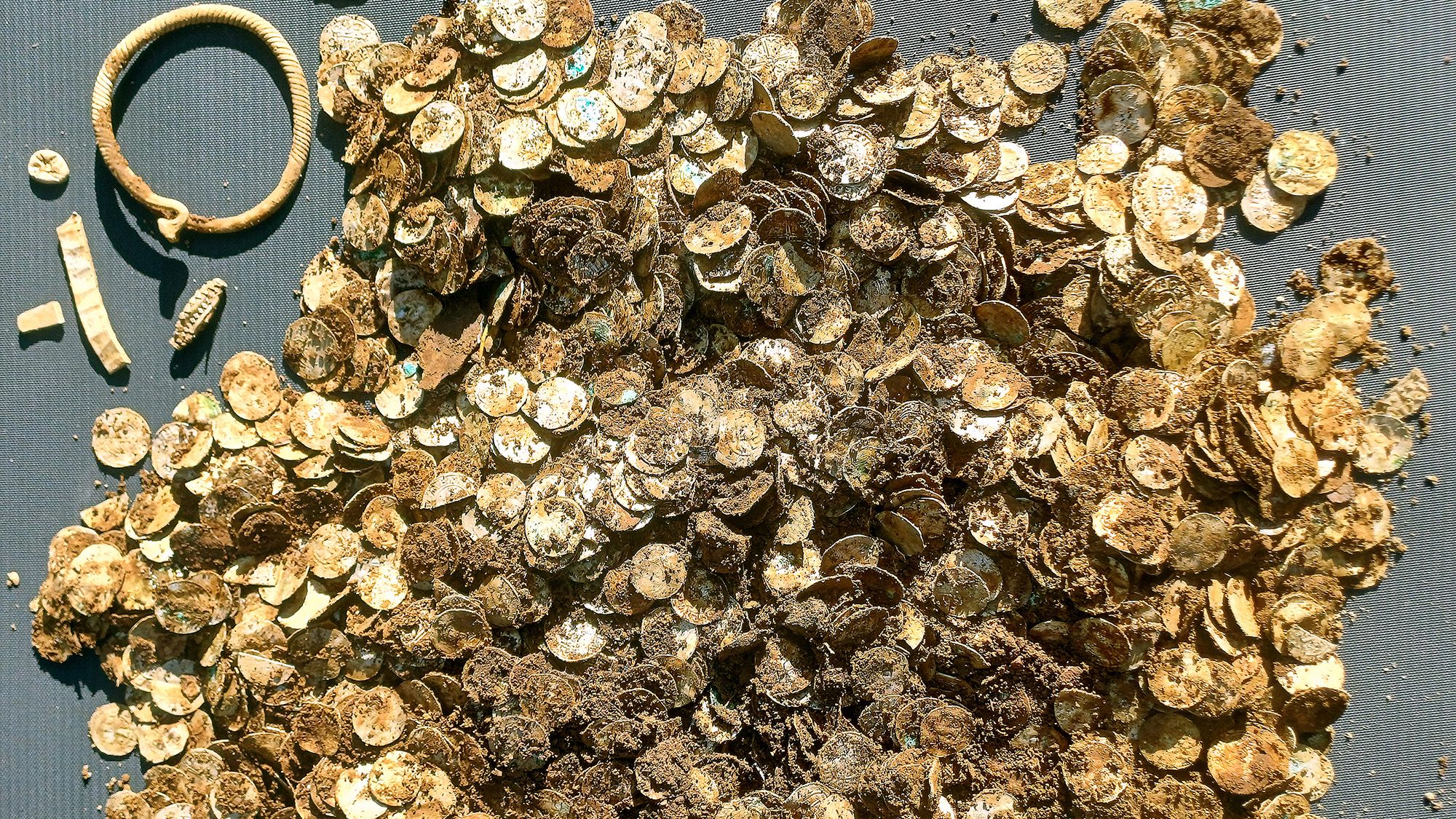
A metal detectorist uncovered nearly 10 pounds of Viking Age silver coins and jewelry in Finland, the largest such hoard ever found in the country.
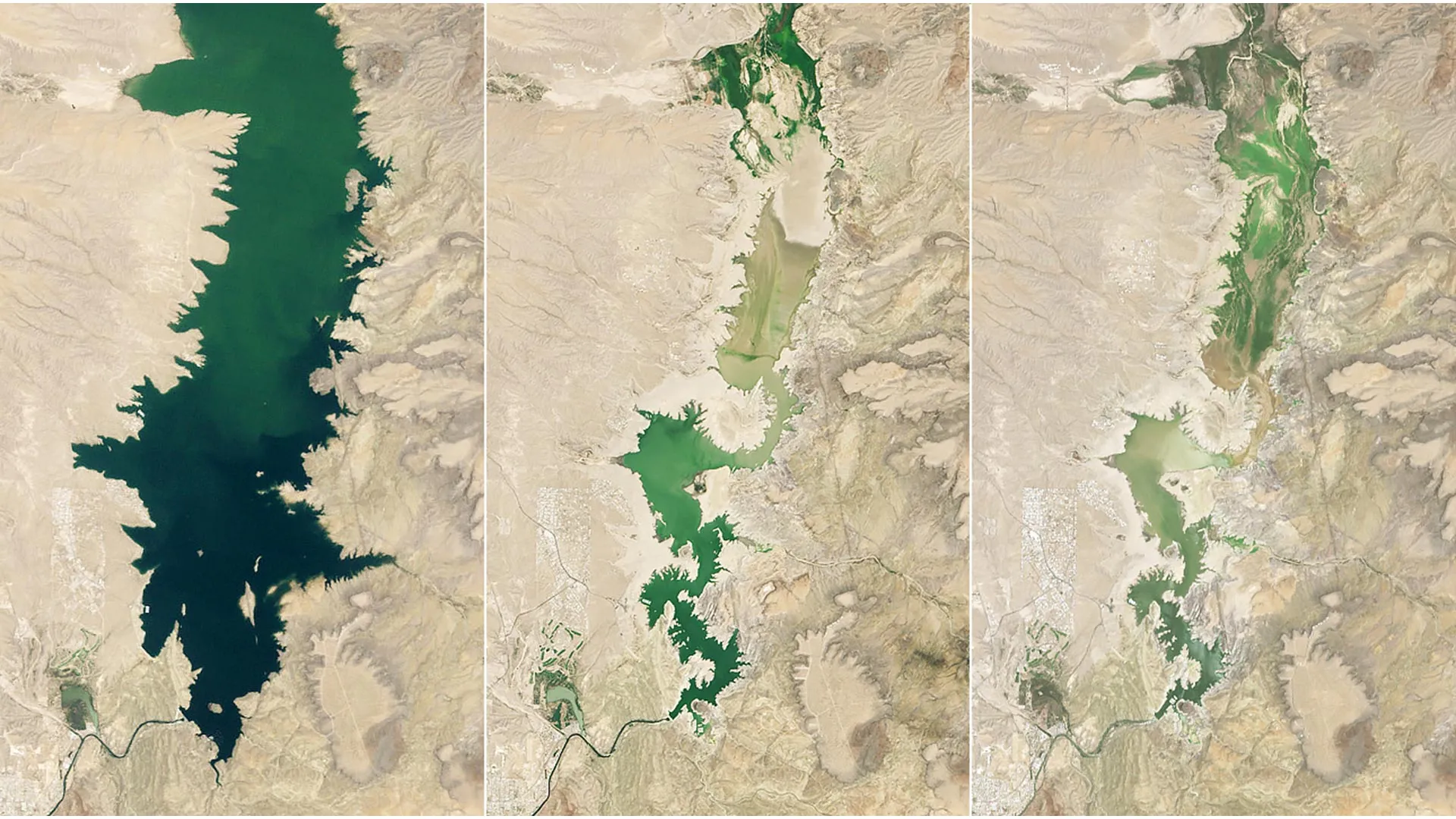
Elephant Butte Reservoir hit its lowest level since 1971 in July 2026. NASA satellites are helping water managers track the shrinking Rio Grande supply.
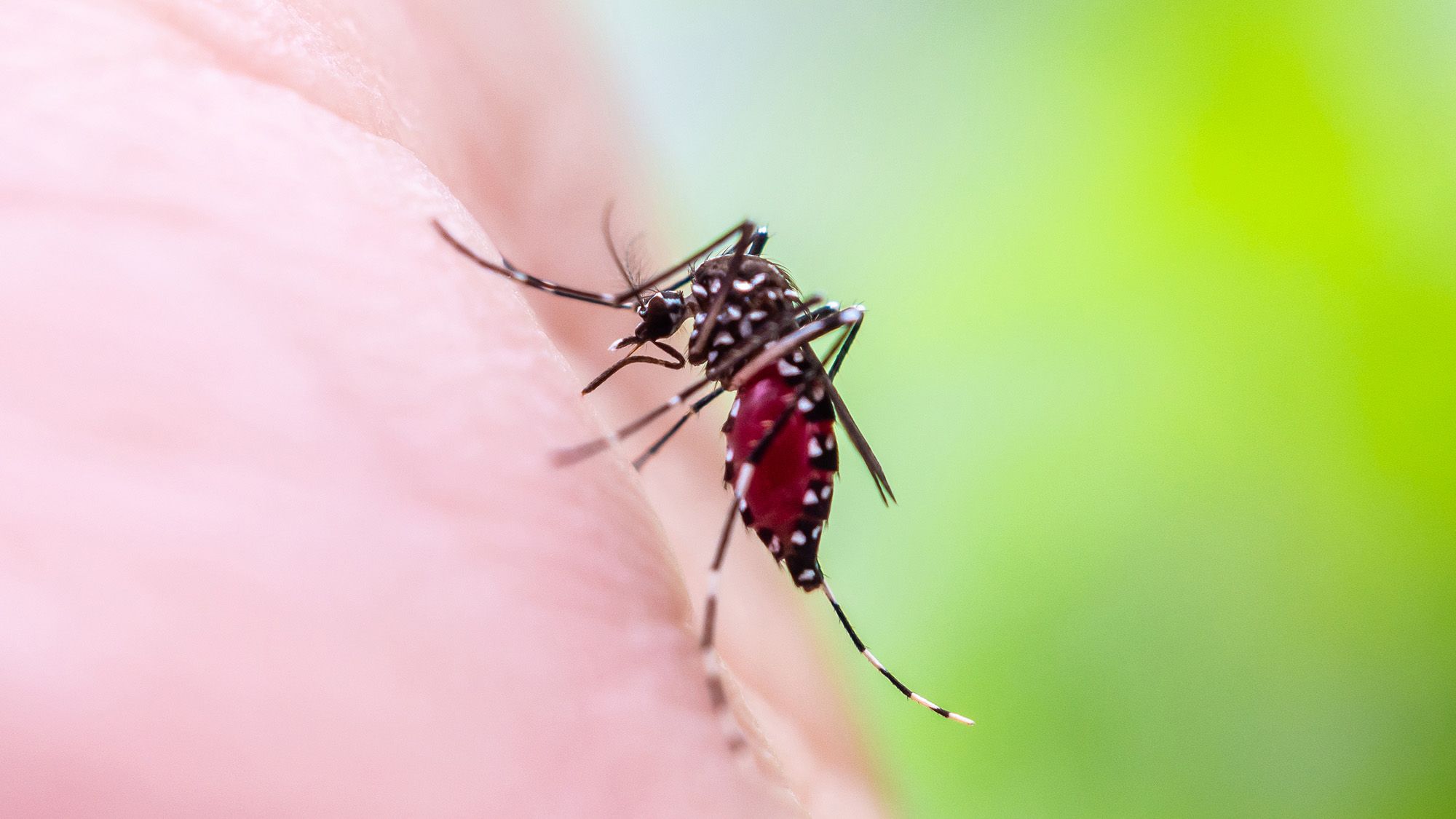
Yellow fever is reappearing in regions that haven't seen it in years. Climate change is creating favorable conditions for the mosquitoes that carry the virus.
A mouse study found sucralose and stevia changed gut microbiomes and gene activity in ways that affected metabolic health across two generations.
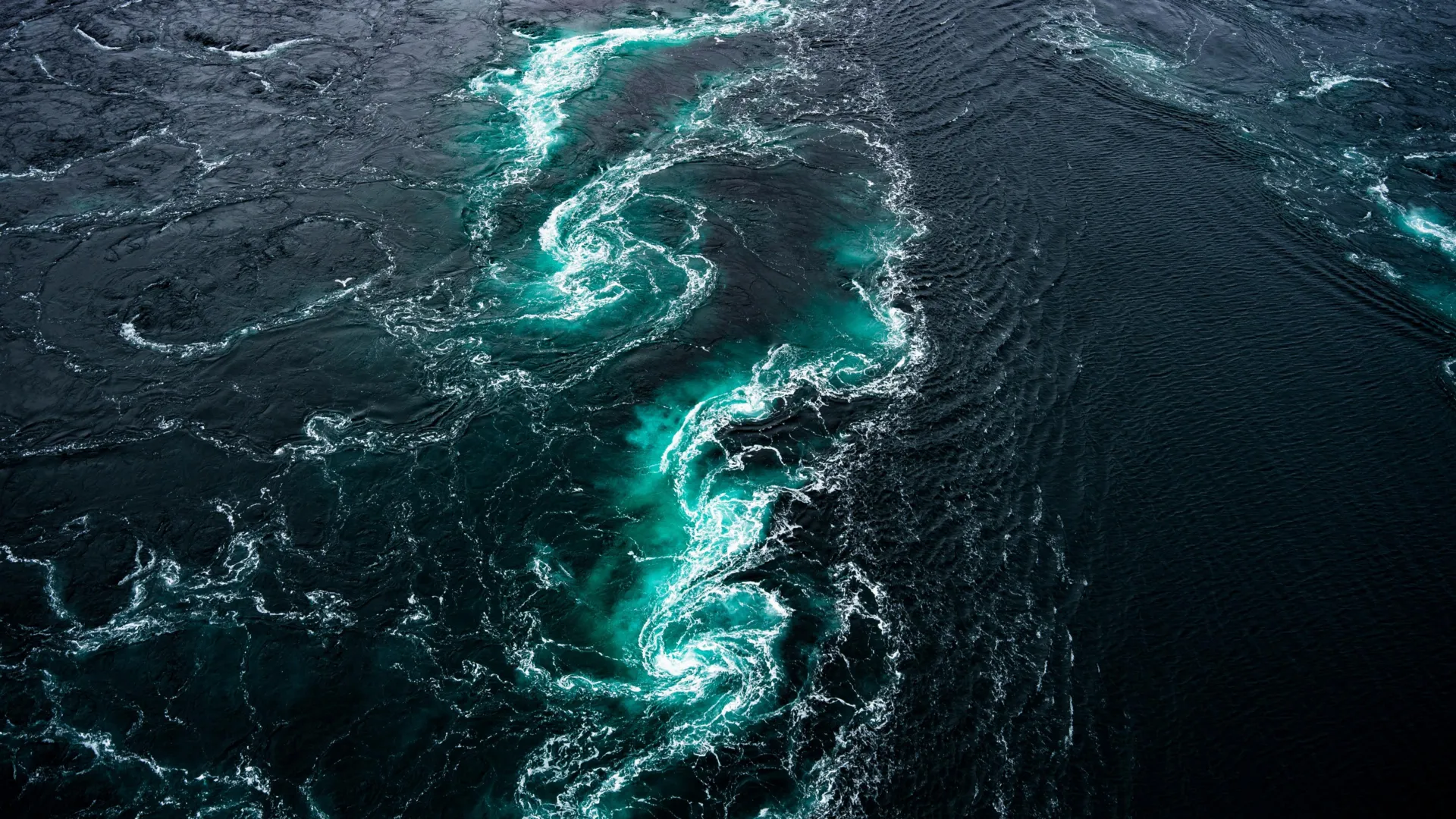
New research finds the rate of global warming, not just peak temperature, determines whether the AMOC ocean circulation system collapses.
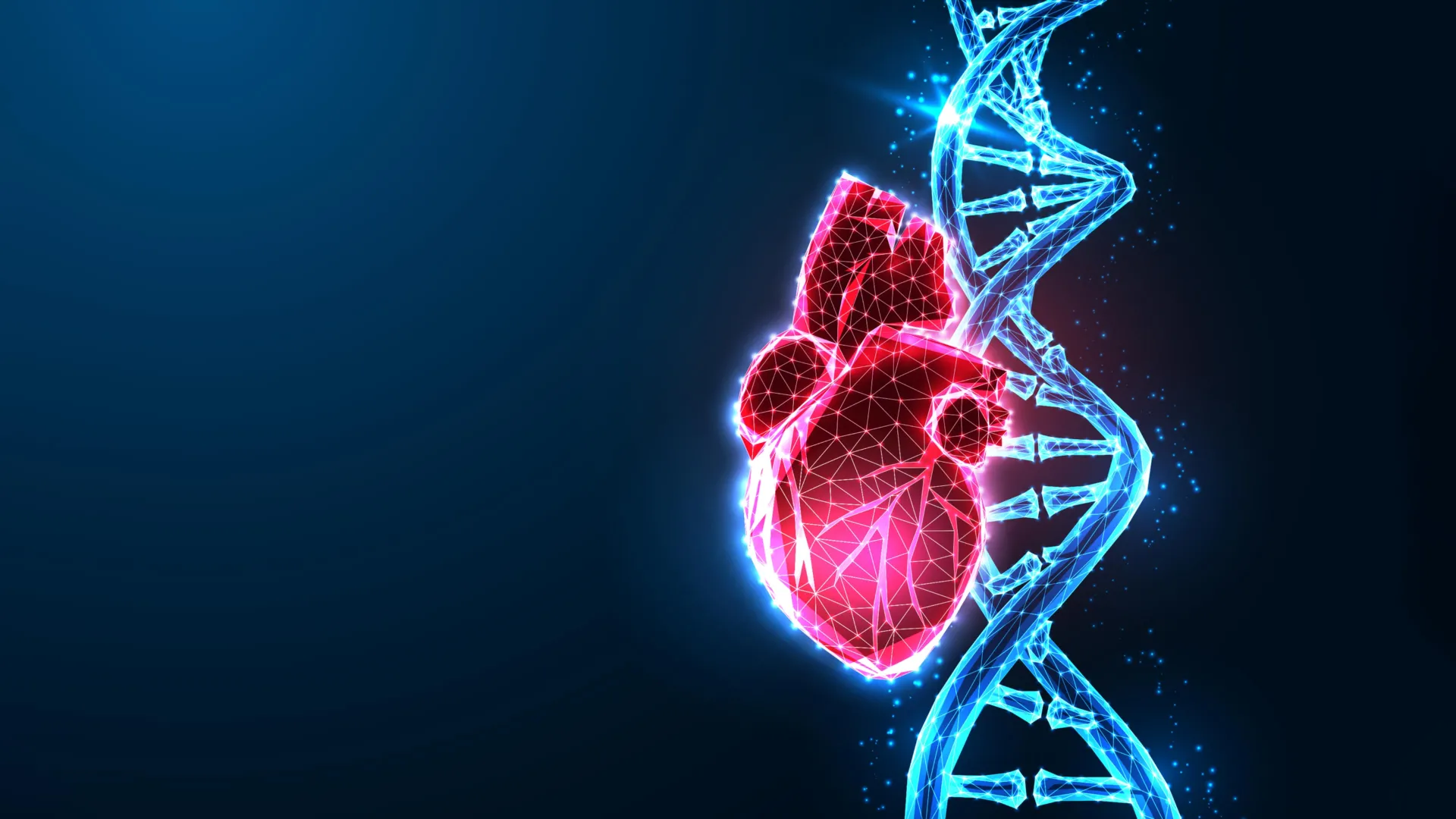
A study of 20,000+ patients found very high Lp(a) levels raise the risk of stroke and cardiovascular death, even with standard treatment.
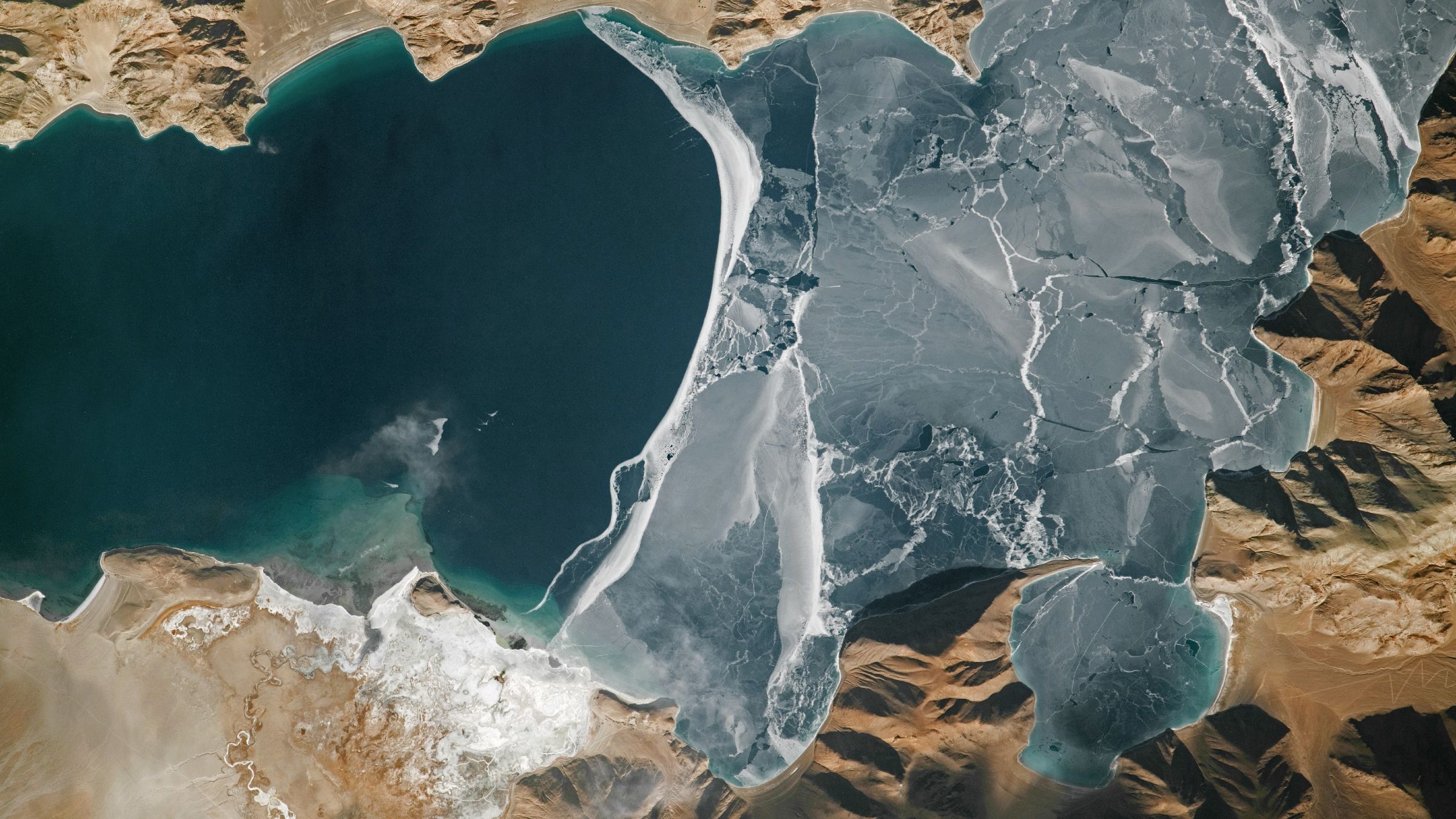
An astronaut photo captured ice fracturing across Pangong Lake on the Tibetan Plateau, with the break aligning almost perfectly with a disputed border.