Nature
Brain Activity Patterns May Predict Alzheimer's Risk Years Early
Stanford researchers built a brain-activity score that predicts Alzheimer's risk years ahead. It compares patterns in super agers and Alzheimer's patients.
Stanford researchers built a brain-activity score that predicts Alzheimer's risk years ahead. It compares patterns in super agers and Alzheimer's patients.
After 40 years of searching, physicists at CERN have found evidence of a particle decay occurring just once in 10 billion events.
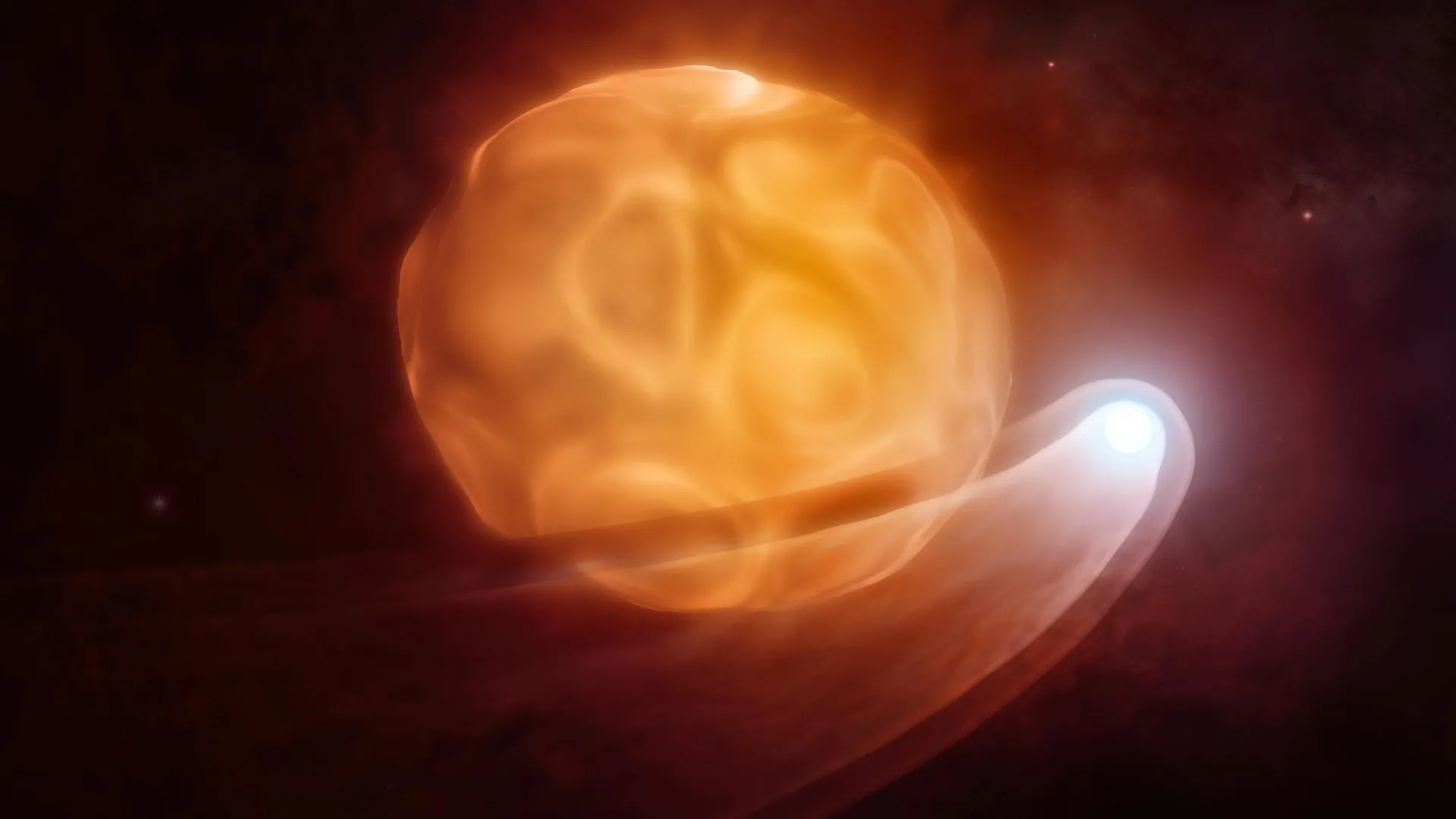
Astronomers find evidence that a small companion star called Siwarha is physically disturbing Betelgeuse's outer atmosphere, warping its shape.
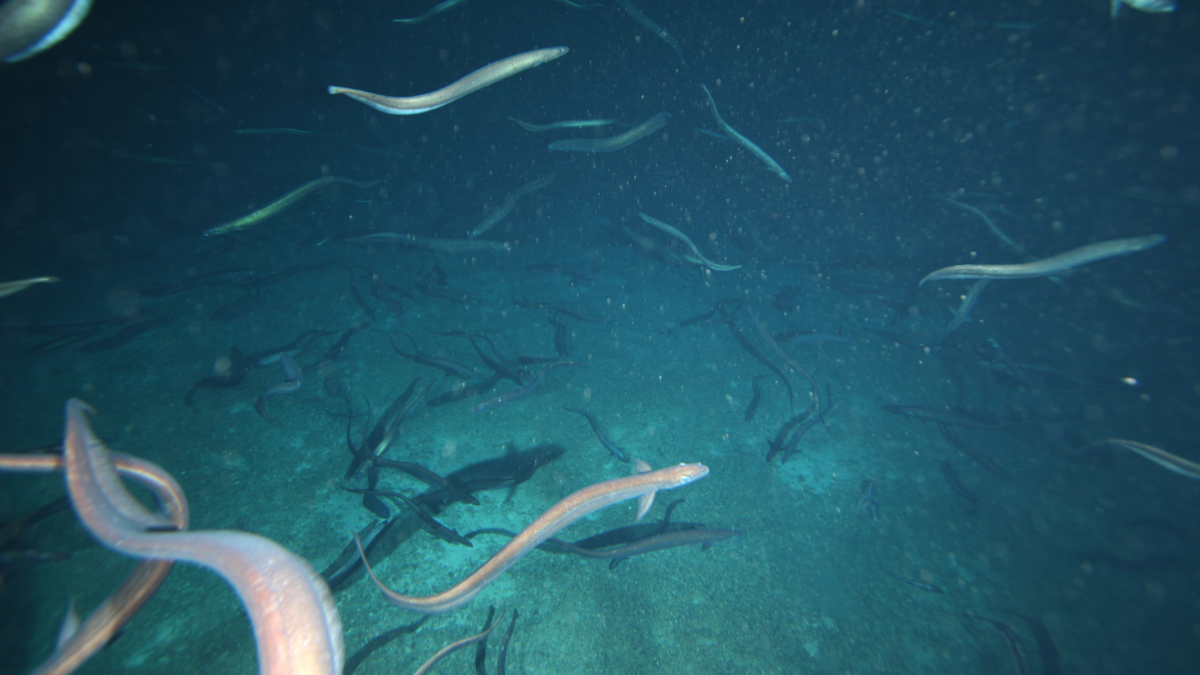
Scientists have quantified a remarkable annual gathering of basketwork eels at Patience Seamount, estimating up to 2.8 million eels and 3,500 metric tons of bio
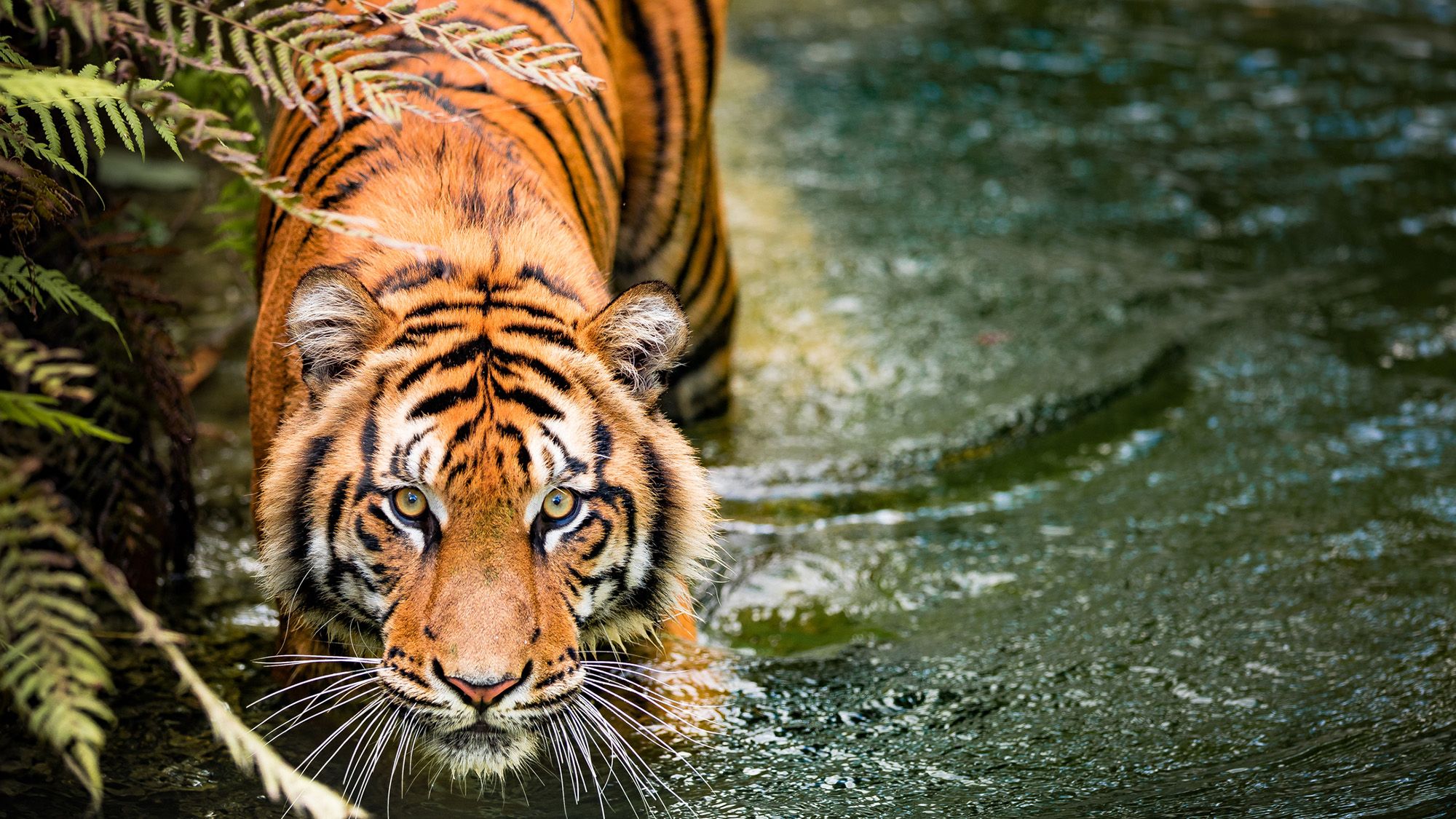
A PBS documentary captured a male tiger greeting his cubs — the first time a tiger "family" has been filmed together, challenging long-held assumptions.
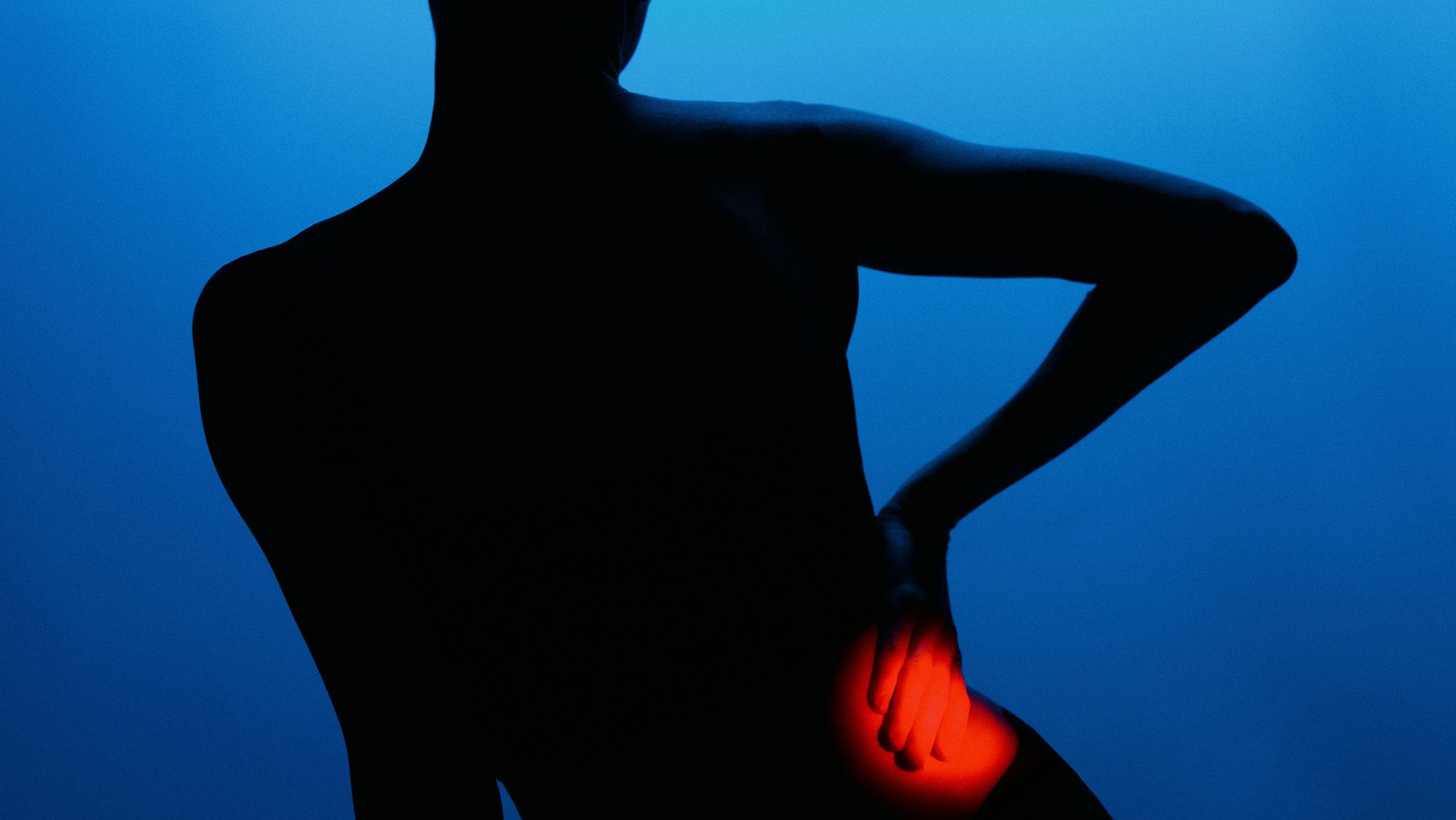
Scientists found that movement-induced chronic back pain activates the brain's default mode network, which is linked to self-reflection and mind wandering.
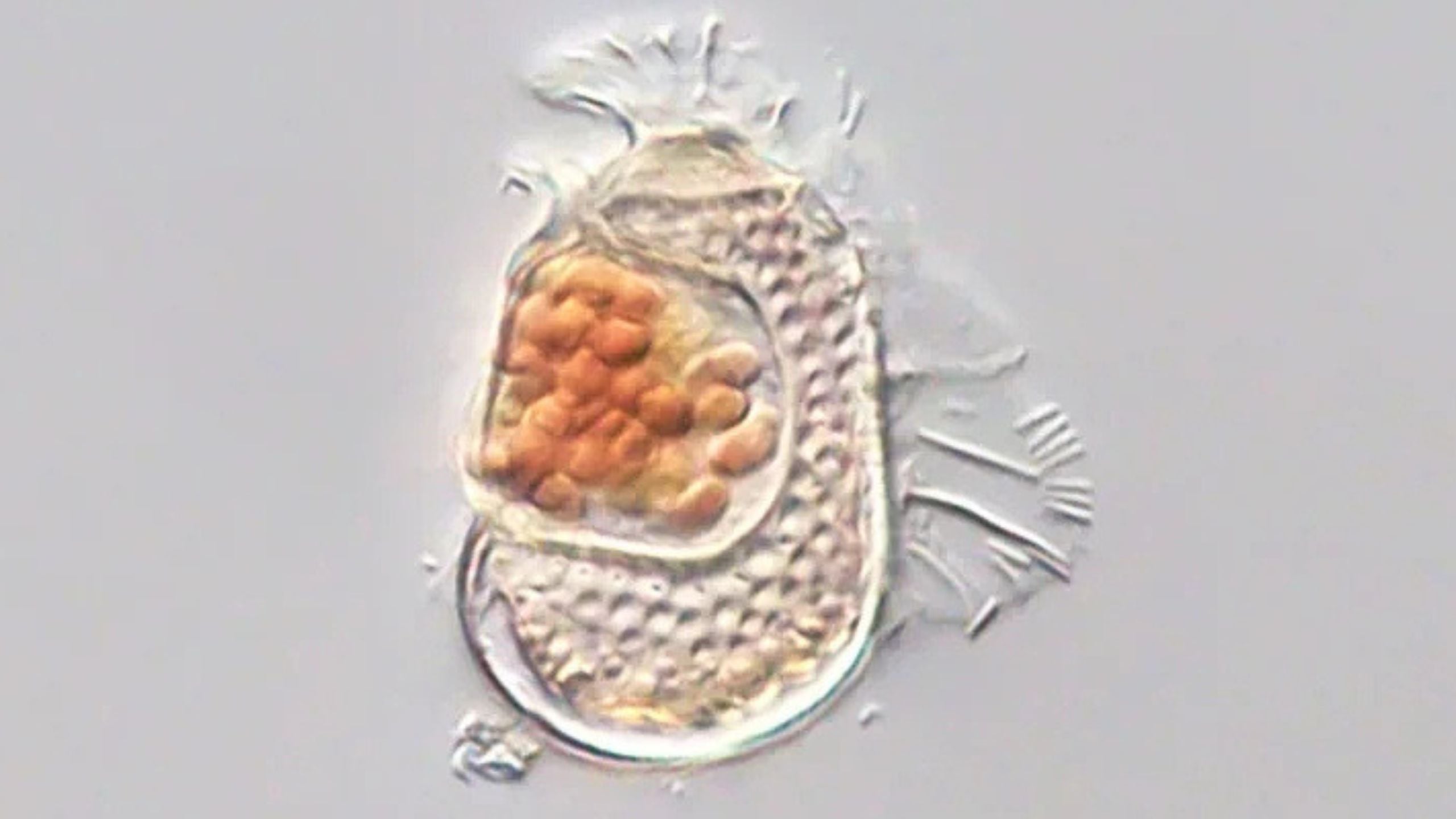
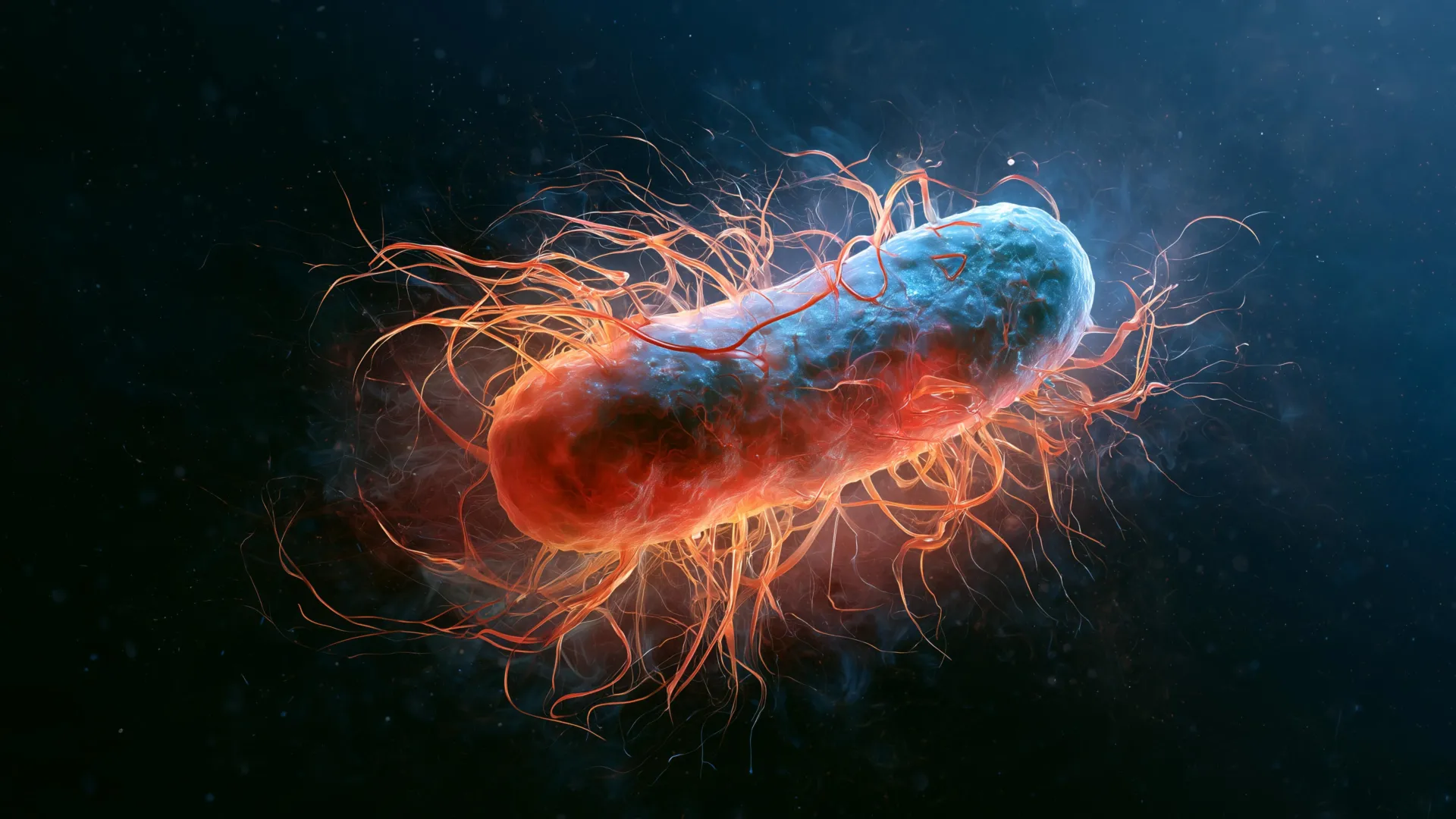
A marine microbe named *Sukunaarchaeum mirabile* has a genome of just 238 kilobase pairs — smaller than some viruses — and may be a parasite.
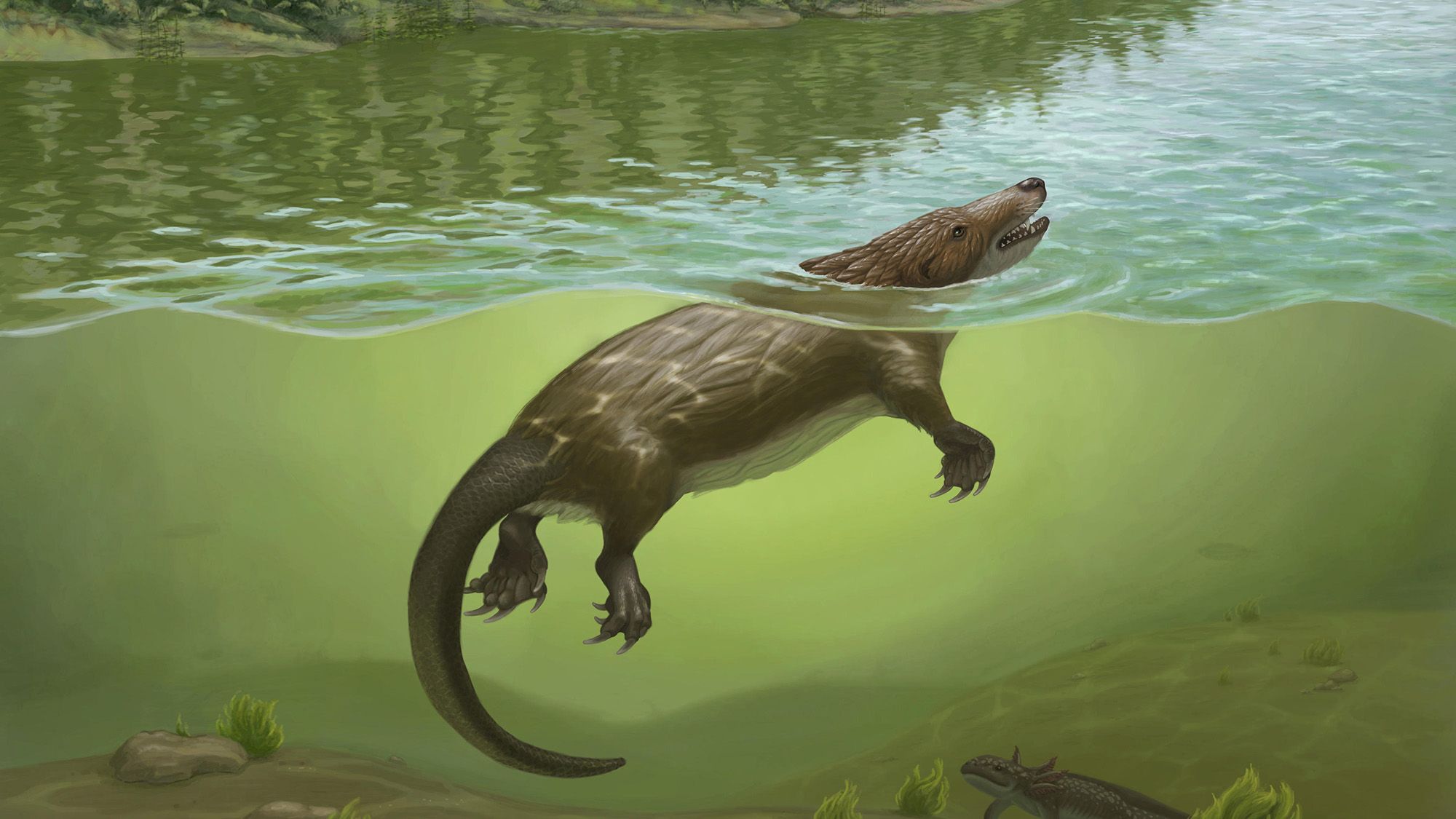
A newly discovered Jurassic creature is the largest-known mammal relative of its era, weighing about as much as a Chihuahua.
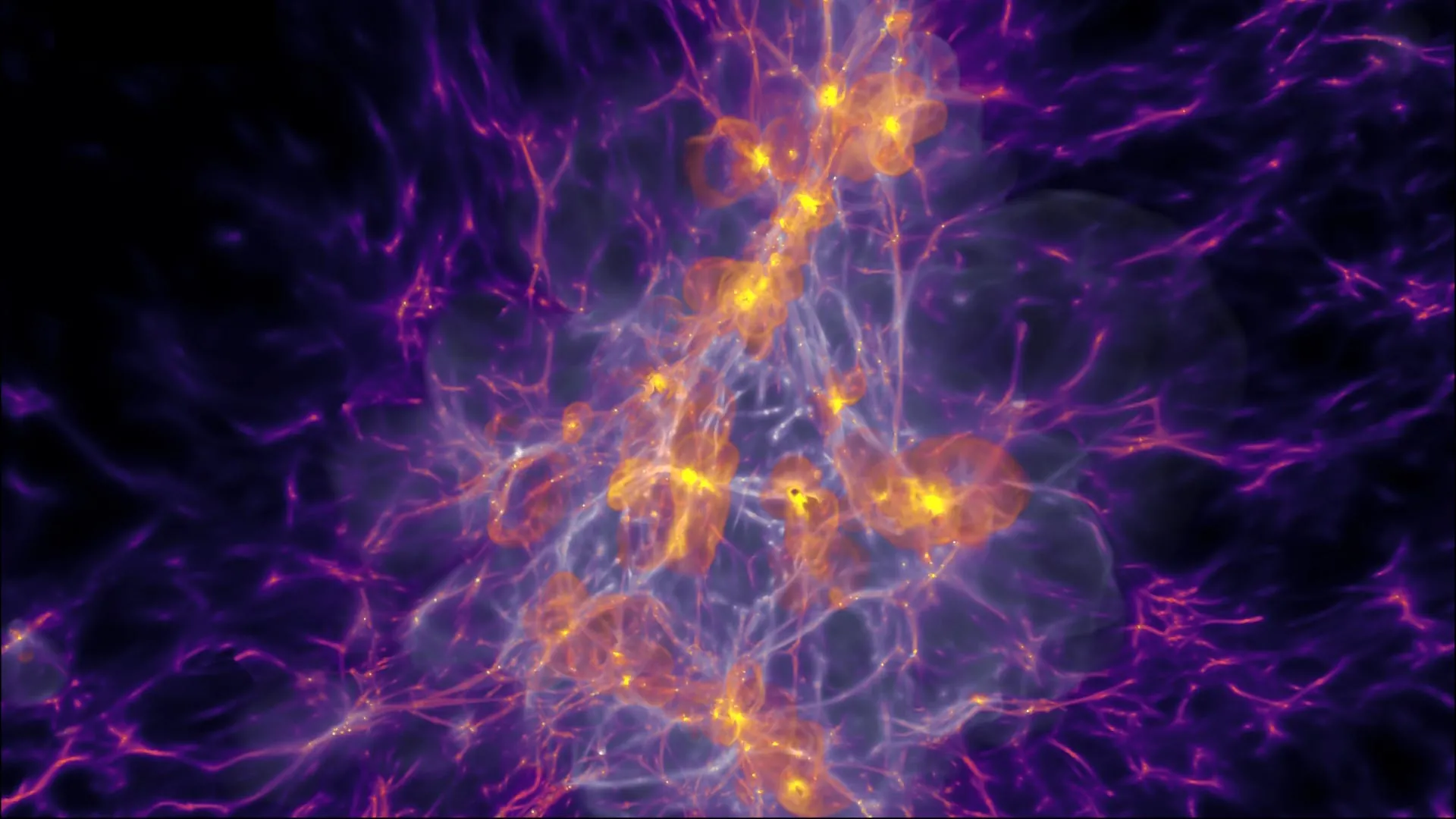
The MEGATRON project uses advanced cosmological simulations to connect James Webb Space Telescope data with chemical clues preserved in ancient stars.
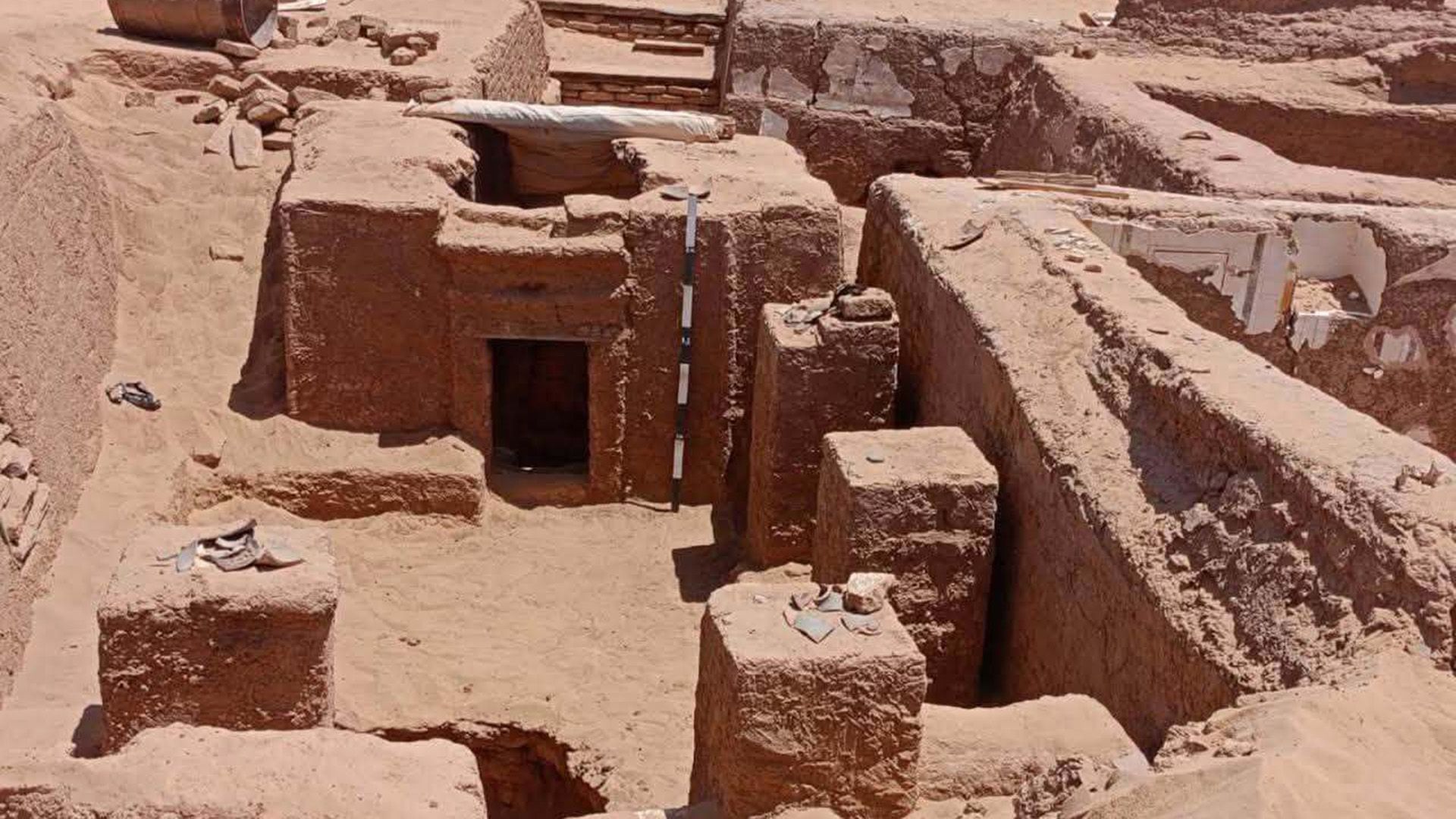
A newly discovered Egyptian tomb dating back roughly 1,700 years contains a poem written in ancient Greek alongside spells intended to protect the dead.
A magnetotactic bacterium extended average lifespan in C. elegans by over 43%, with researchers identifying ferroptosis suppression as the key mechanism.
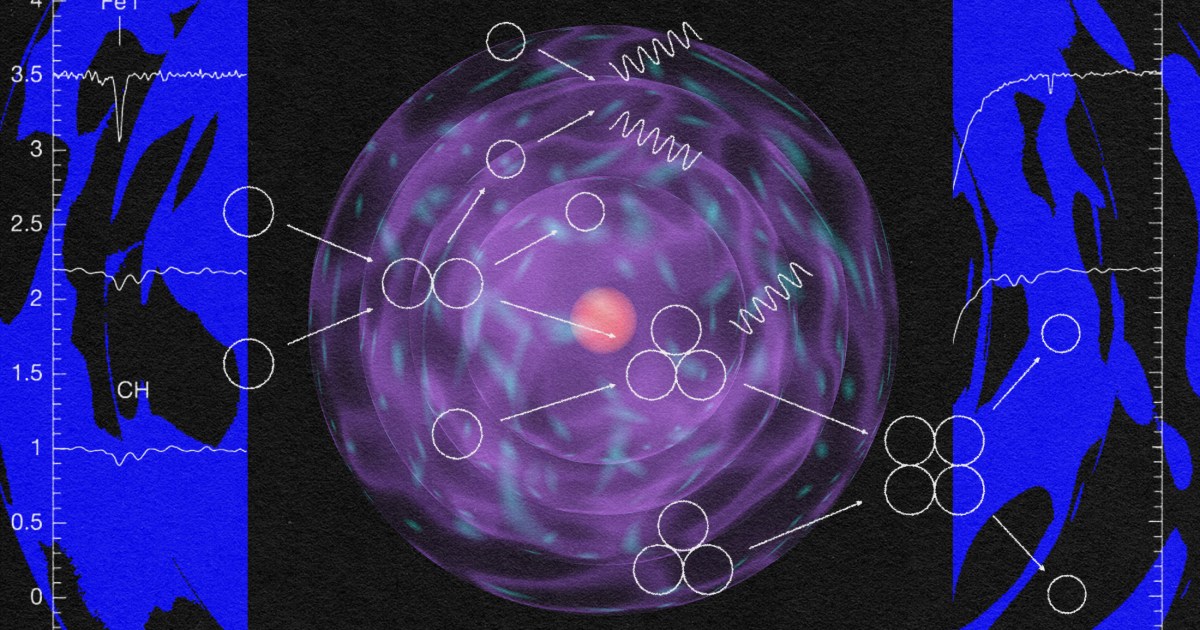
Atoms didn't always exist. Here's how quarks, protons, neutrons, and electrons assembled into atoms in the Universe's earliest moments.
Bo Seo explains why arguments fail, how to pick fights worth having, and what debate teaches us about listening and democracy.
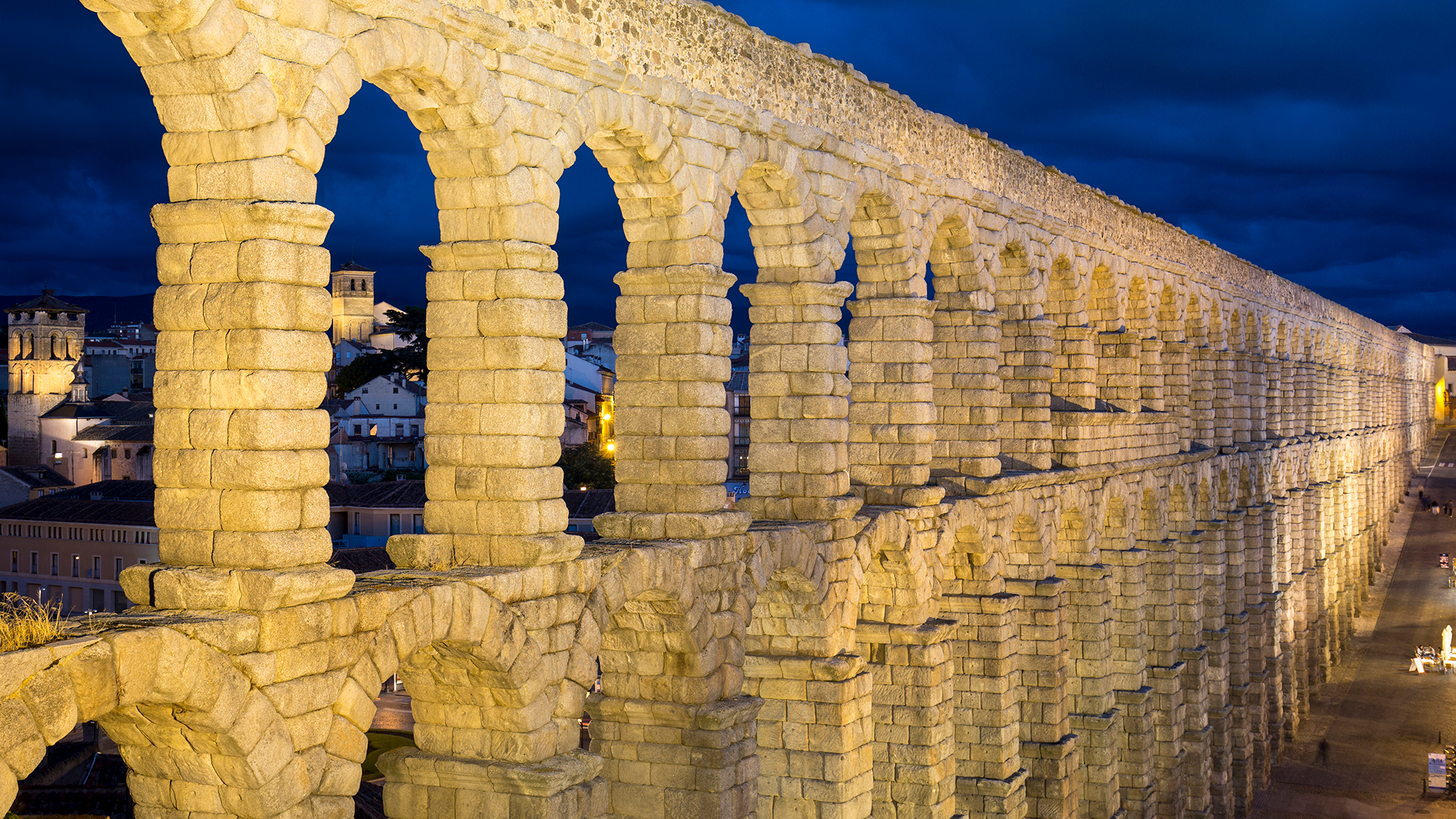
Roman aqueducts rank among the ancient world's greatest engineering feats. Here's how they were designed and constructed to move water across vast distances.
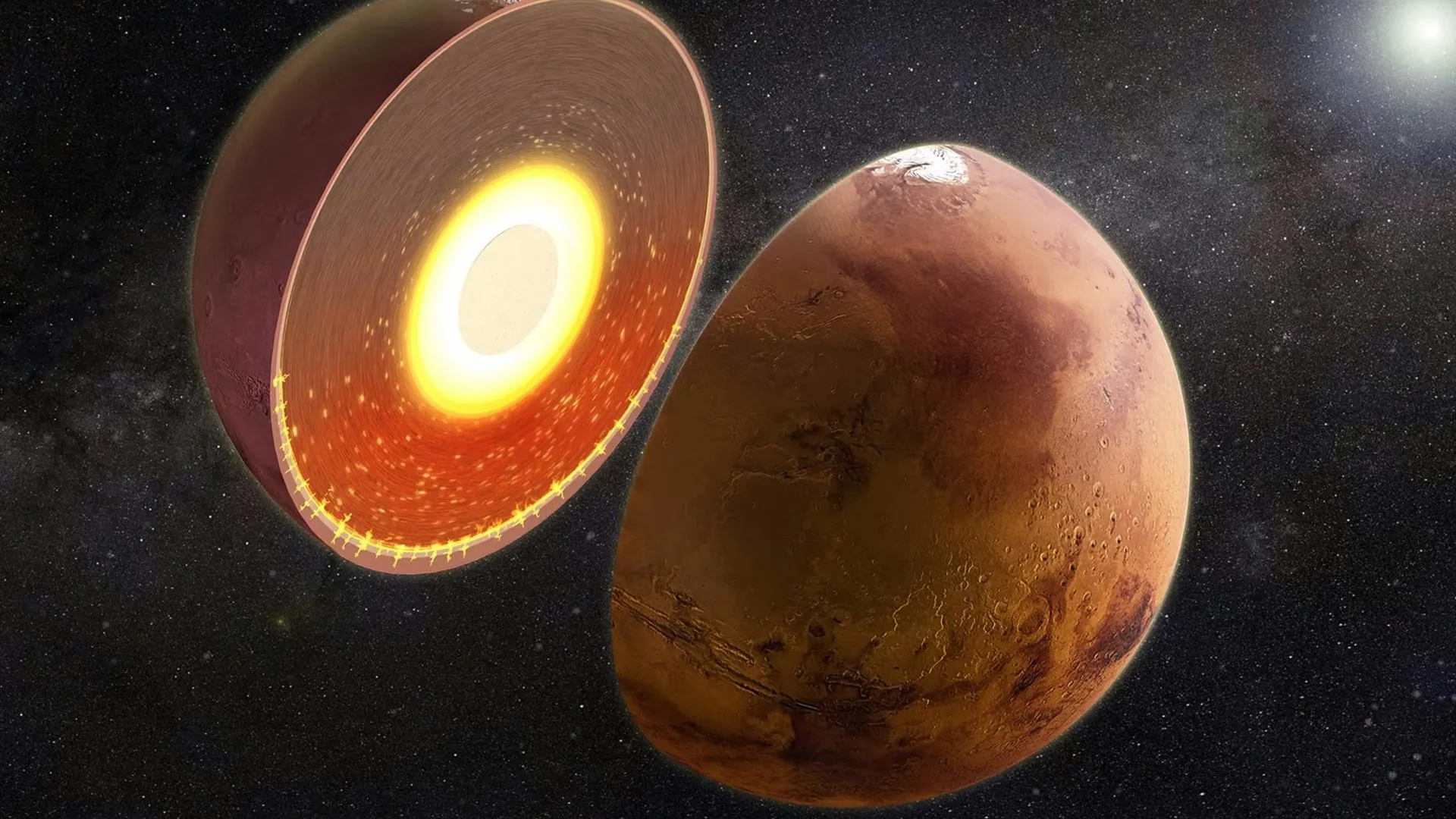
Gravity data reveals Mars's southern interior is 200–400°C hotter than the north and may be partially molten, reshaping our understanding of the planet's histor