1,700-Year-Old Egyptian Tomb Found With Greek Poem and Protective Spells
A newly discovered Egyptian tomb dating back roughly 1,700 years contains a poem written in ancient Greek alongside spells intended to protect the dead.
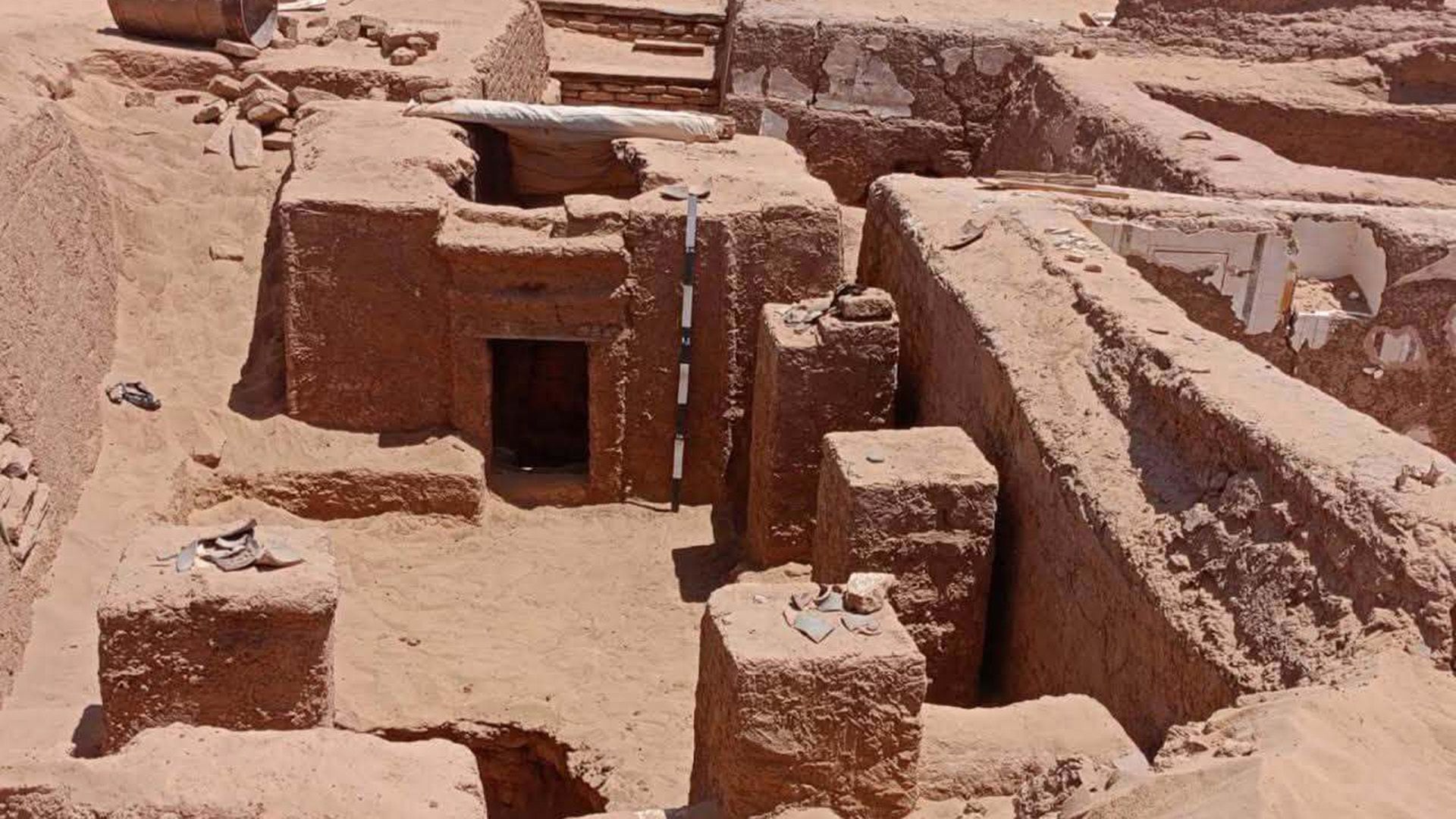
A tomb discovered in Egypt and dating back approximately 1,700 years contains a poem written in ancient Greek as well as spells designed to protect the deceased, archaeologists have announced.
The tomb’s inscriptions offer a rare glimpse into the cultural blending that characterized Egypt during the late Roman period, when Greek language and Egyptian religious traditions coexisted and intertwined. The poem, addressed from a child to a father, reflects the personal grief of those who mourned the dead, while the protective spells follow older Egyptian funerary traditions intended to safeguard the soul in the afterlife.
Researchers have noted that the combination of Greek literary verse with traditional Egyptian protective magic in a single burial context is unusual, and it underscores how communities in Egypt during this era drew on multiple cultural and religious traditions simultaneously. The discovery adds to a growing body of evidence showing that ancient Egyptians of the Roman period adapted their funerary practices to reflect a diverse and layered cultural identity.
The tomb was uncovered by an archaeological team working in Egypt, and its contents are now being studied and translated by specialists in ancient languages and Egyptian archaeology. The findings highlight the enduring human impulse to honor the dead with both personal expression and spiritual protection, a tradition that clearly transcended cultural and linguistic boundaries in the ancient world.