Curiosities
AI Assistance for Just 10 Minutes Can Erode Motivation, Study Finds
New research shows that briefly relying on AI to solve simple problems makes people less capable and more likely to quit when that help is removed.
New research shows that briefly relying on AI to solve simple problems makes people less capable and more likely to quit when that help is removed.
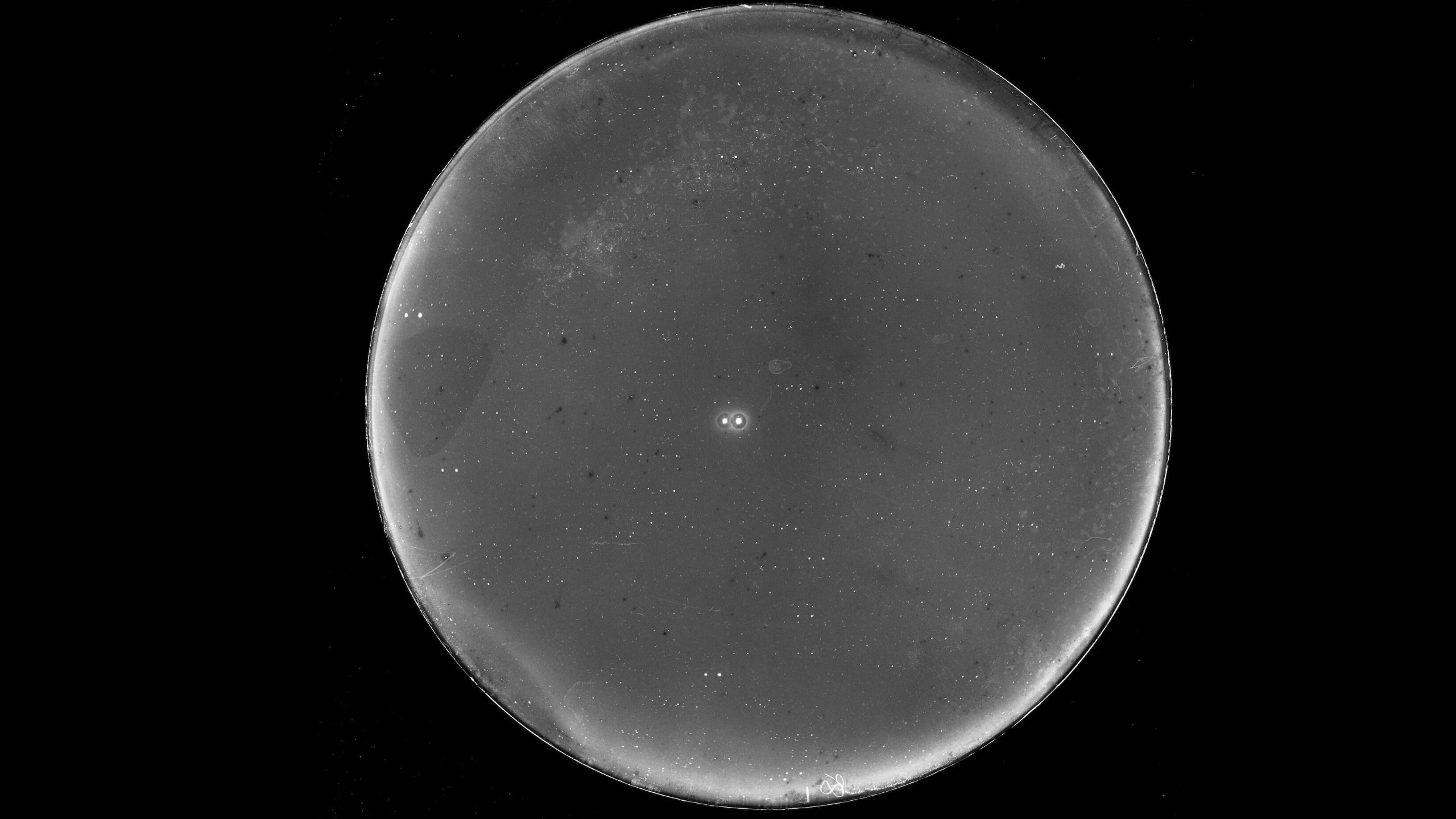
New research finds stable, potentially habitable orbits are possible around one star in the 70 Ophiuchi binary system, just 16 light-years away.
A new genetic study suggests the ancestors of today's Indigenous Americans migrated to the Americas no earlier than 21,000 years ago, during the Last Glacial Ma
A natural compound in spinach, almonds, and beetroot may worsen inflammatory bowel disease in people whose guts process it differently.
A new analysis of all major mammography trials finds breast cancer overdiagnosis is below 5%, not the 30–50% some studies suggested.
Nobel laureate Jennifer Doudna reflects on CRISPR's biggest milestones, from a $2 million sickle cell cure to reducing methane from cattle farming.
A new underground experiment has eliminated a leading gravity-based explanation for why quantum effects vanish at everyday scales.
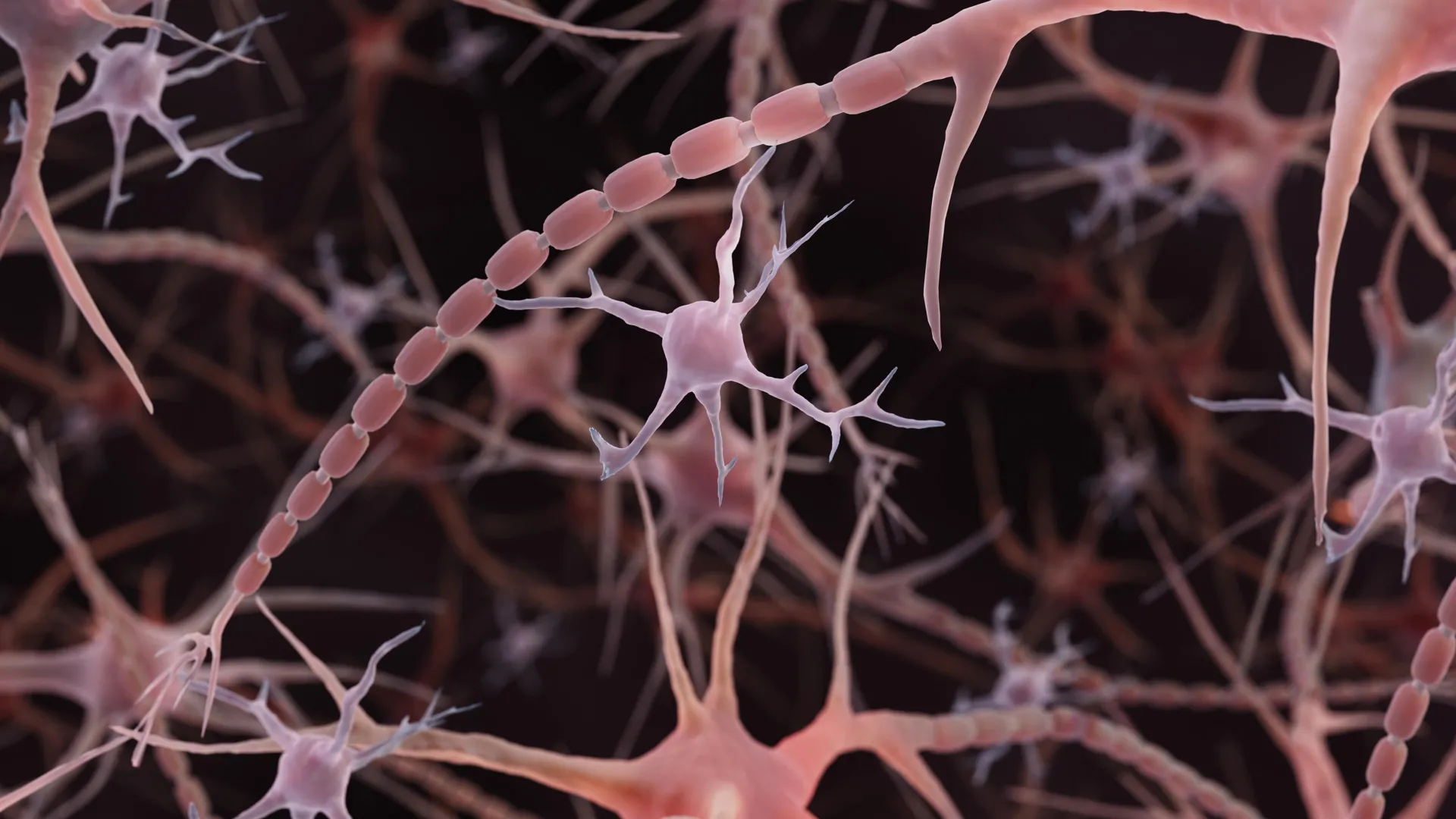
Some brain cell axons resemble strings of pearls, not smooth tubes. This shape appears to influence how electrical signals travel.
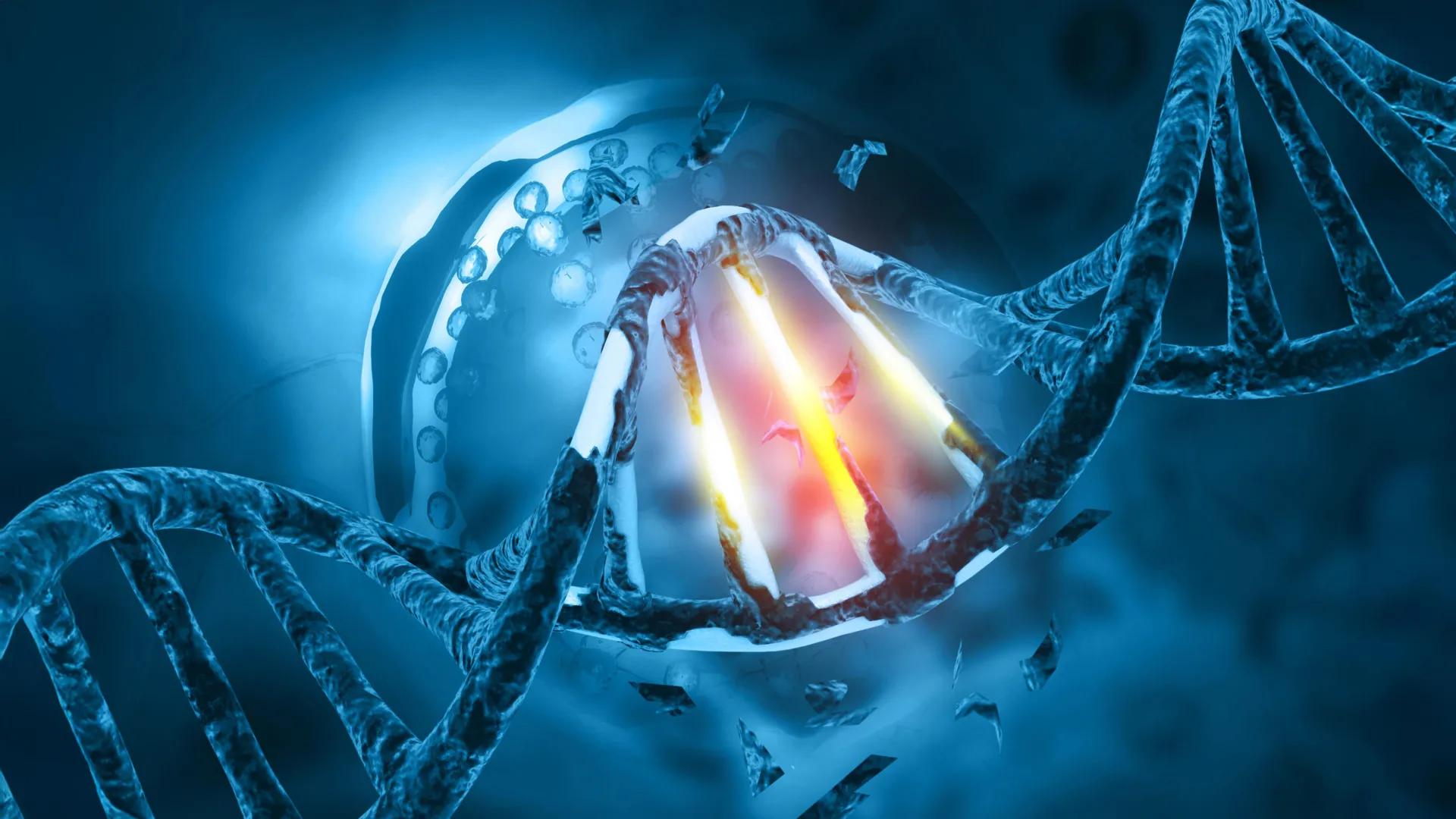
A 2023 study linked a sucralose byproduct to DNA damage in lab cells. Subsequent reviews found no evidence of harm from normal consumption.
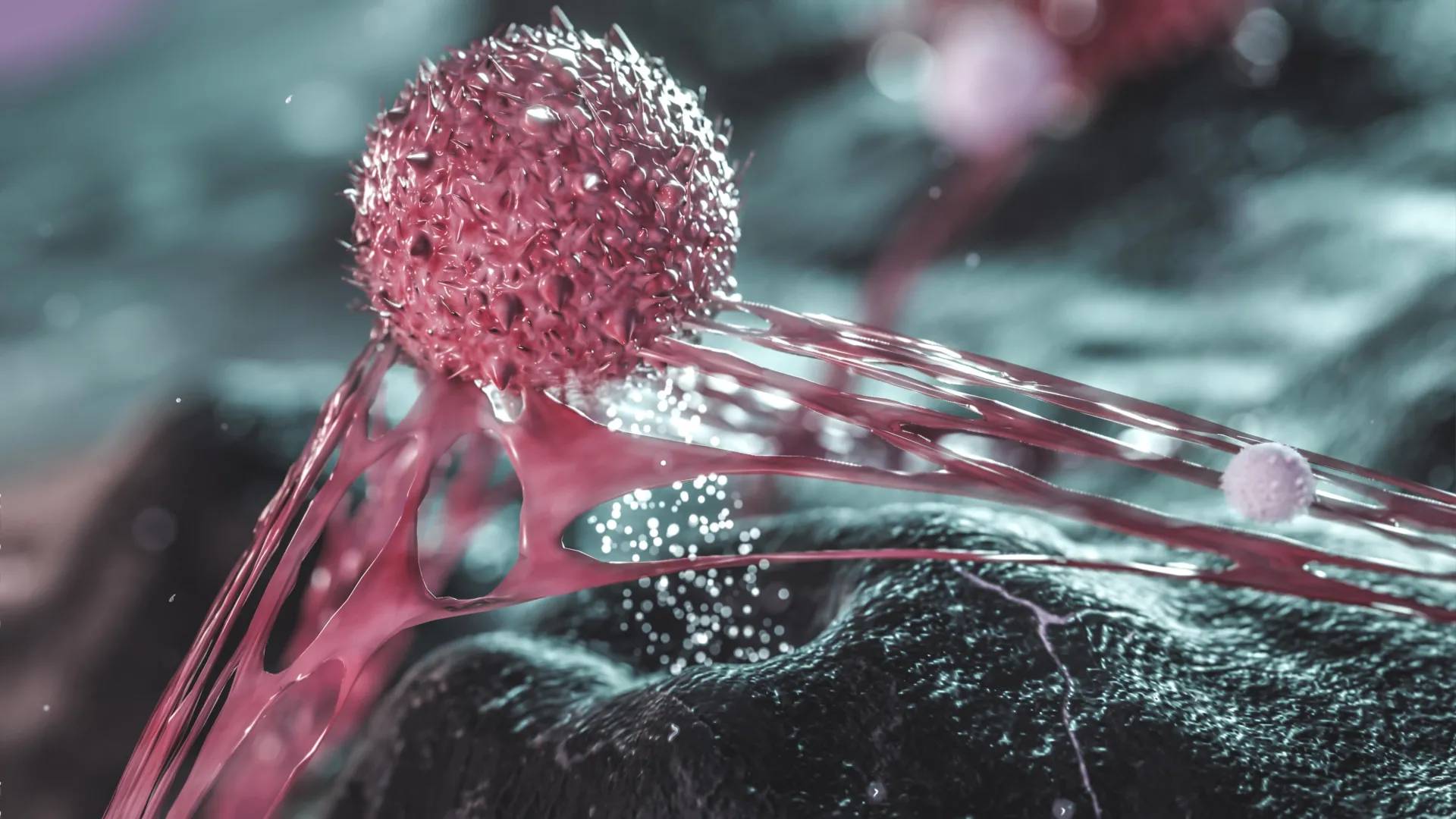
Scientists mapped breast tumors cell by cell, finding dormant cancer cells shielded by immune tissue that may fuel relapse after treatment ends.
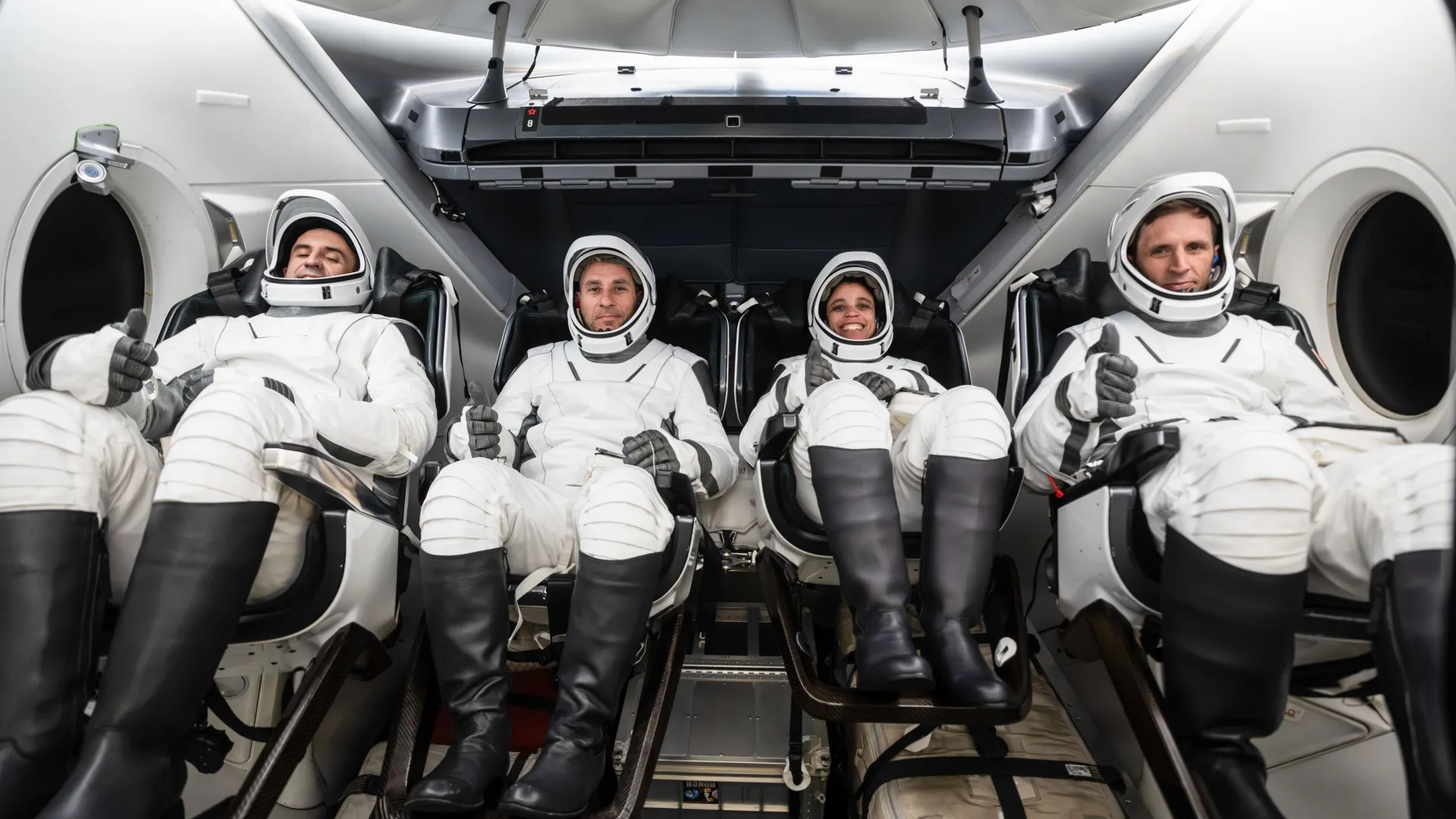
An oxidizer leak in the Dragon spacecraft's propulsion system has delayed the Crew-13 mission to the International Space Station. No new launch date has been se
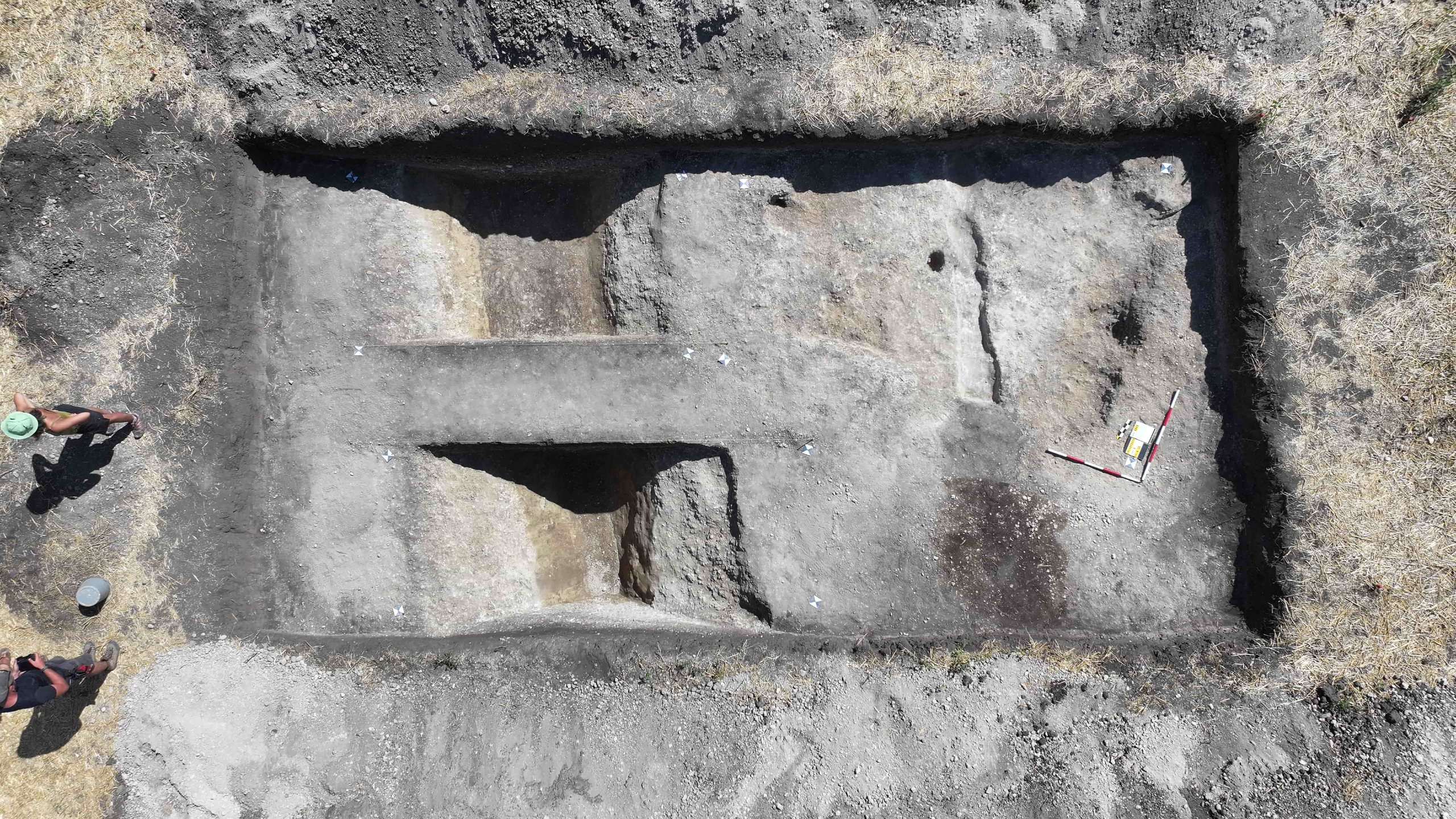
Archaeologists in the Czech Republic uncovered a 6,500-year-old circular ritual site linked to the sun and moon — predating Stonehenge by 1,000 years.
A two-hectare Norfolk field left to recover naturally became a species-rich wildflower meadow within 15 years, questioning the need for costly seeding.
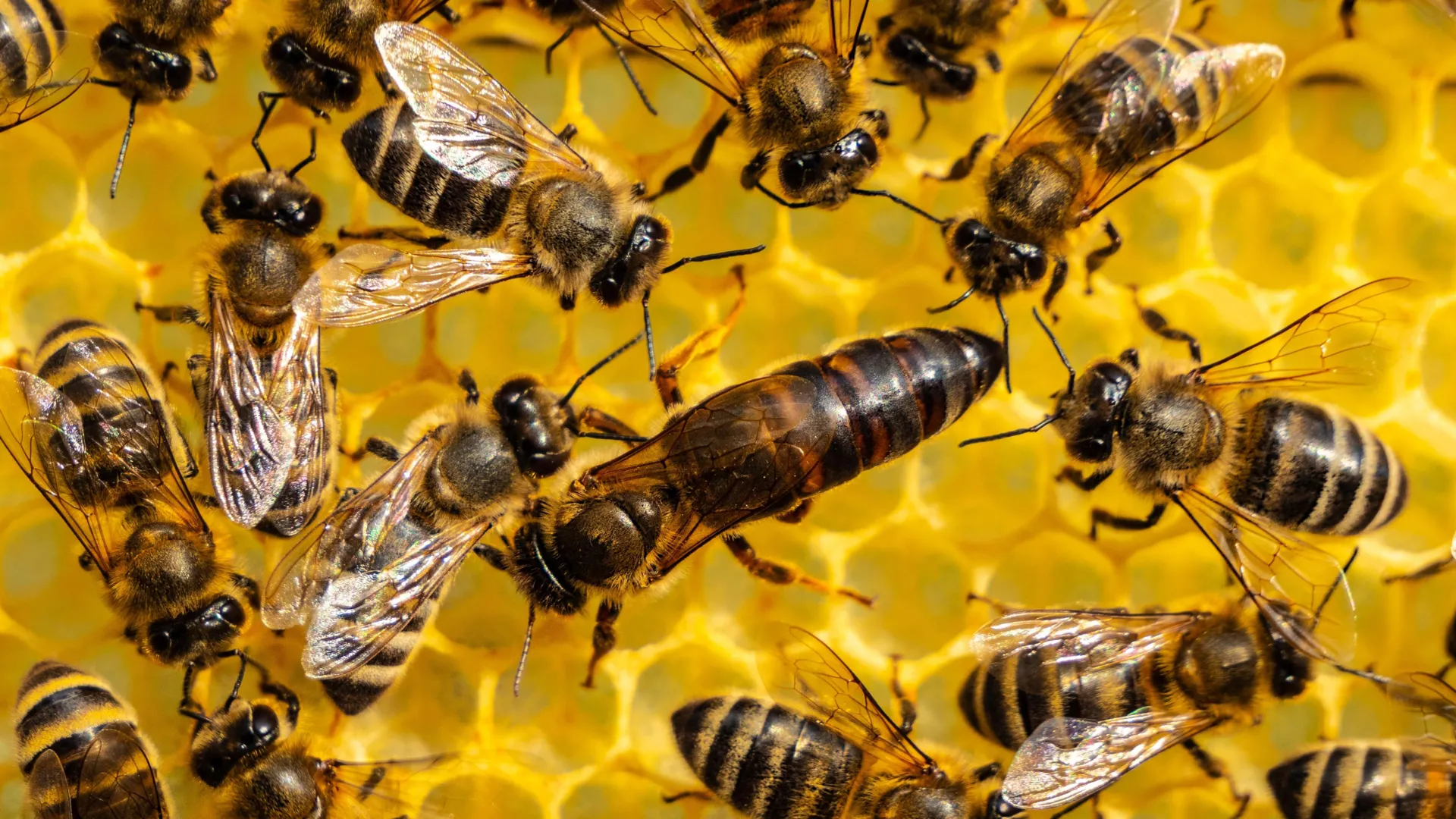
Queen bees transfer accumulated pesticides into their eggs as a self-defense mechanism, a process that could contribute to long-term colony collapse.
Australian researchers find aging shifts walking toward a "safety-first" strategy, favoring stability over efficiency and increasing fatigue risk.