Curiosities
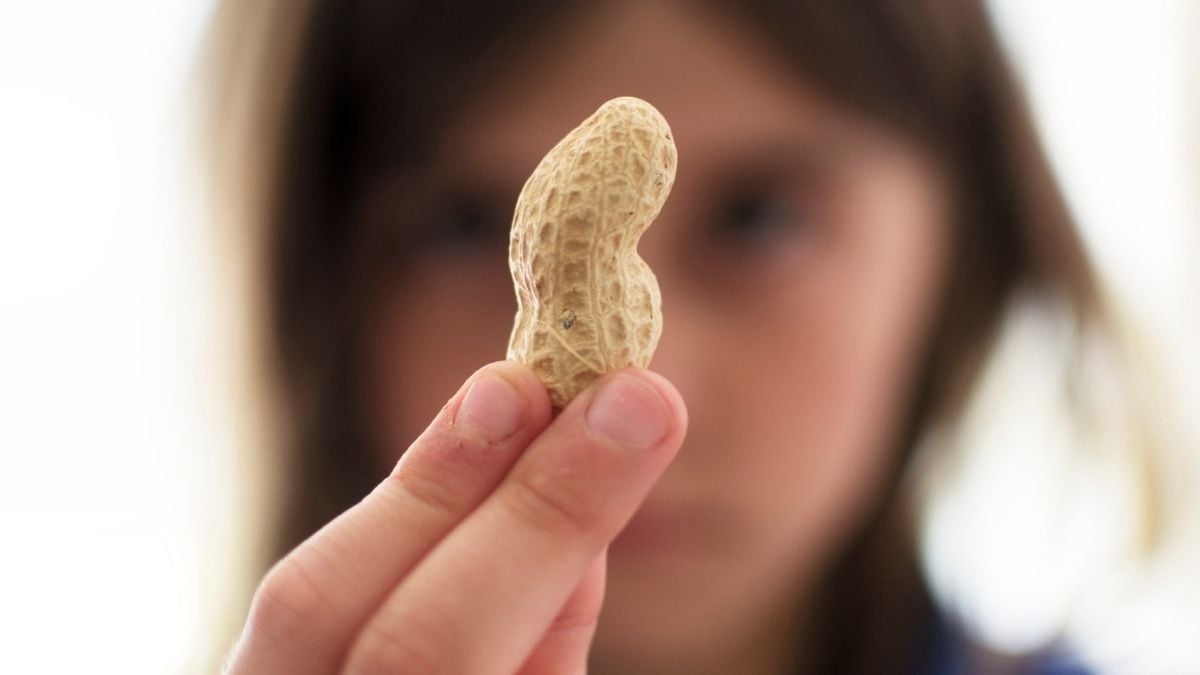
Poop Transplant Shows Promise in First Human Food Allergy Trial
A small trial found that fecal microbiota transplants helped 40% of peanut allergy sufferers significantly increase their tolerance in just one dose.
A small trial found that fecal microbiota transplants helped 40% of peanut allergy sufferers significantly increase their tolerance in just one dose.
A six-month trial found that changing sweet food intake did not alter taste preferences or key health markers linked to diabetes and heart disease.
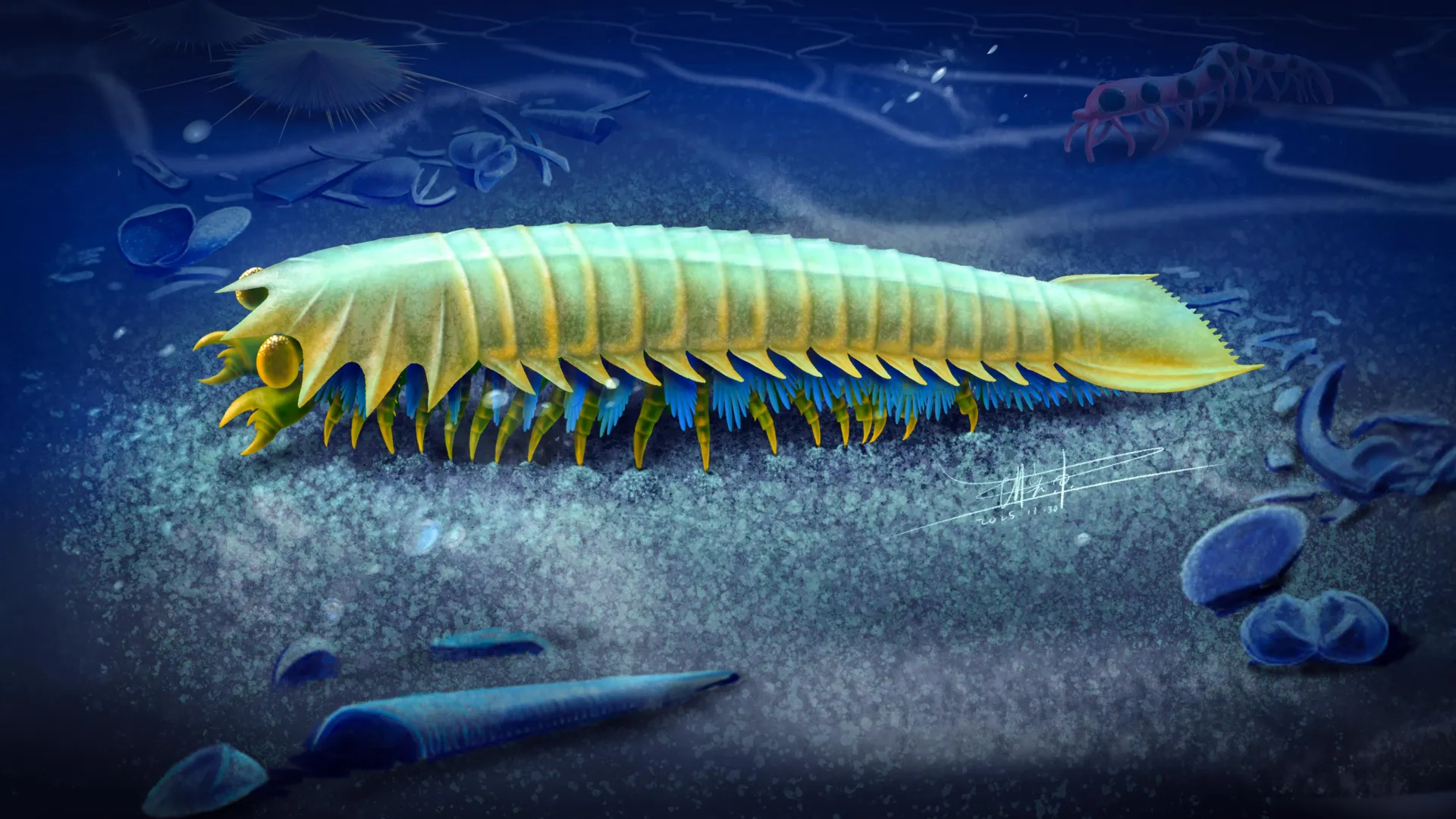
Scientists have found the oldest known precursor to spider fangs in a Cambrian fossil. The discovery pushes chelicerate origins back 518 million years.
New blood tests aim to catch Alzheimer's in its earliest stages. But how well do they actually work for improving patient outcomes?
July's full Buck Moon turns full on July 29, the last full moon before a total solar eclipse and partial lunar eclipse in August.
A UCLA study found that inflammation during pregnancy produces lasting autism-like brain changes in offspring, and a single drug dose temporarily reversed them.
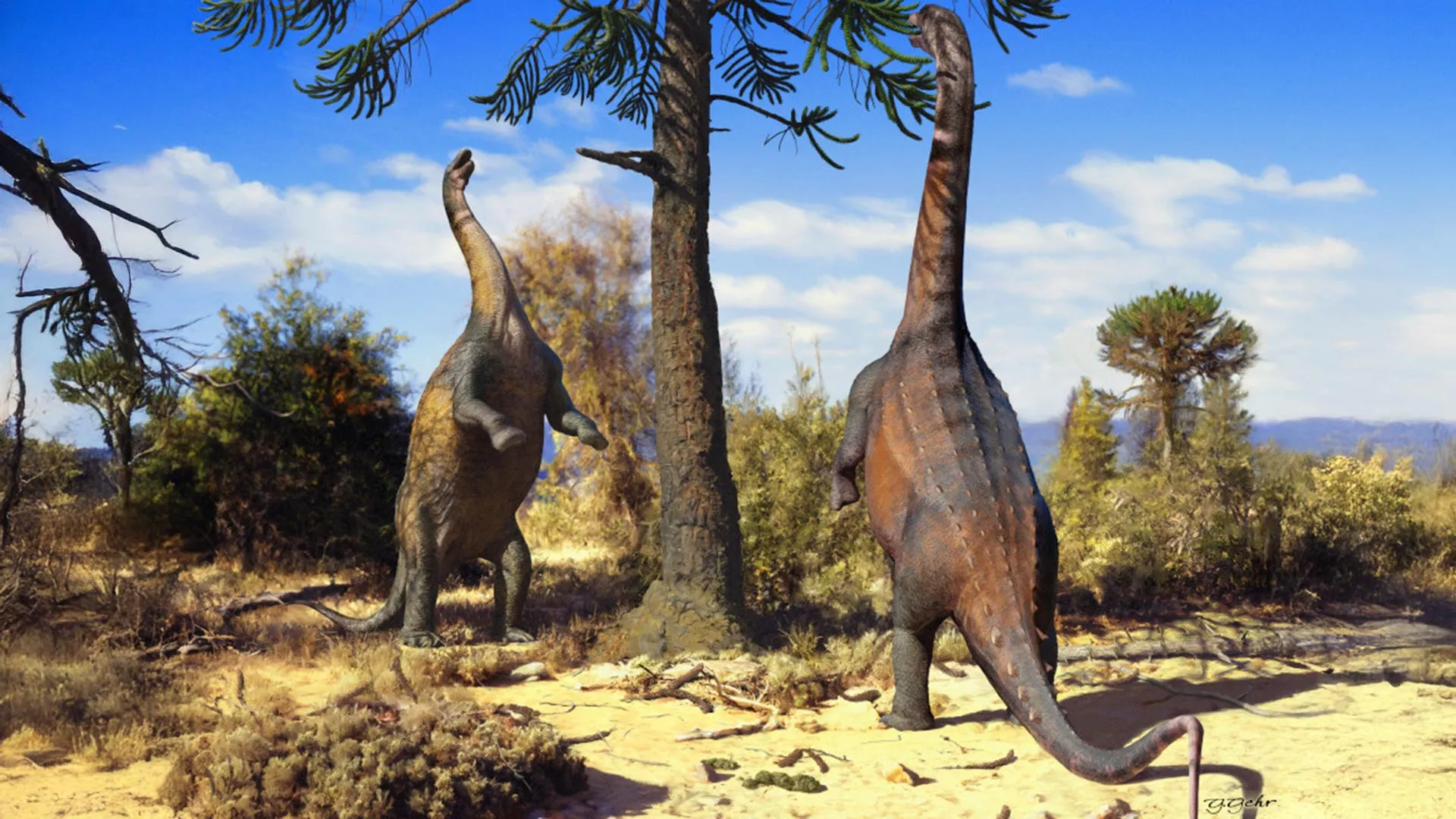
New research shows two South American sauropods could rise onto their hind legs, with younger animals handling the strain far better than adults.
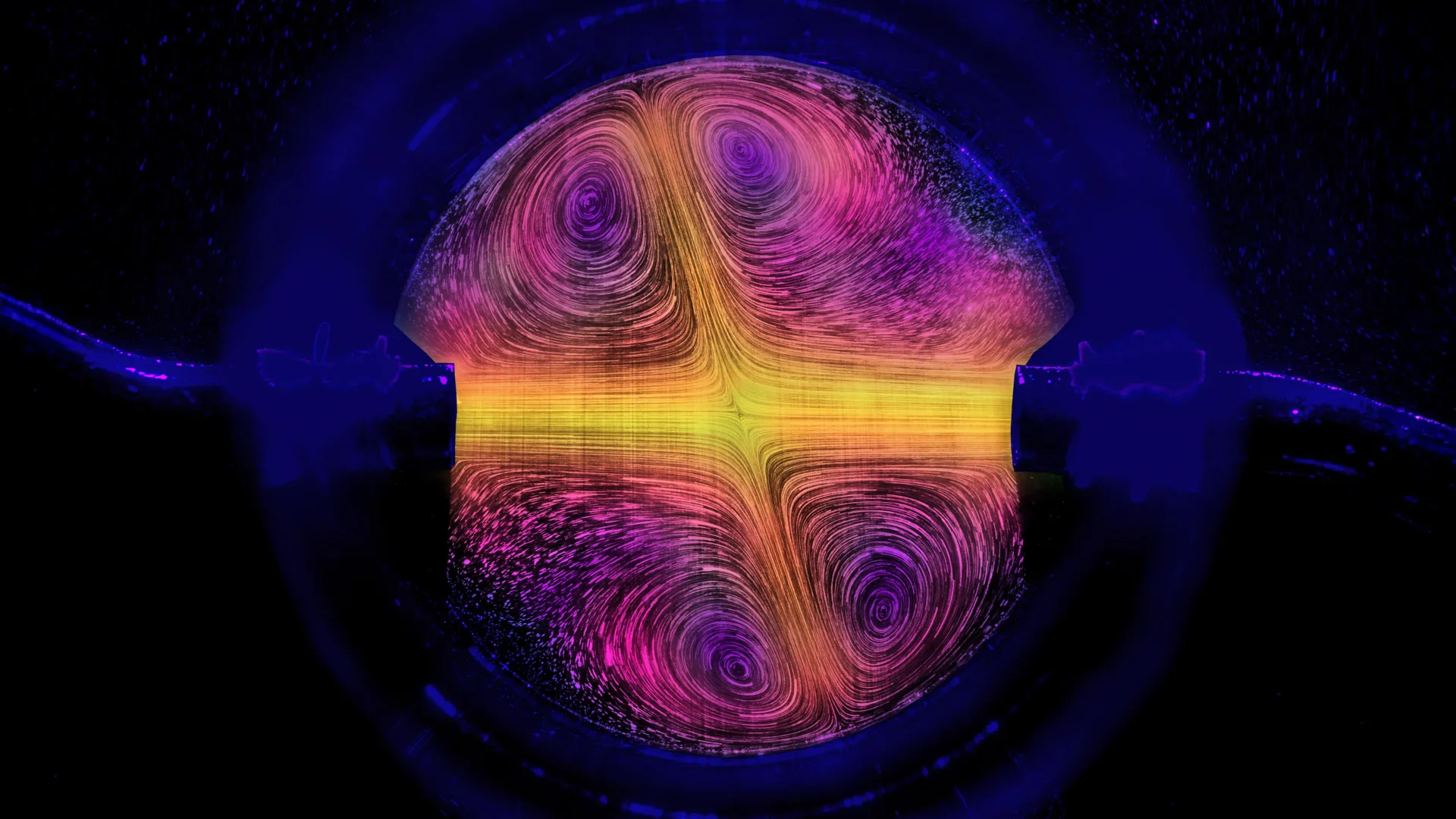
Researchers used backyard "silly sprinklers" to finally resolve a decades-old physics puzzle about how sprinklers behave in reverse.
NTU Singapore researchers created complex light structures called optical skyrmions by shining a laser at a small disc, no exotic materials required.
Researchers found that sulfoxaflor changes gene expression in bumblebee ovarian tissue, potentially reducing offspring and contributing to population decline.
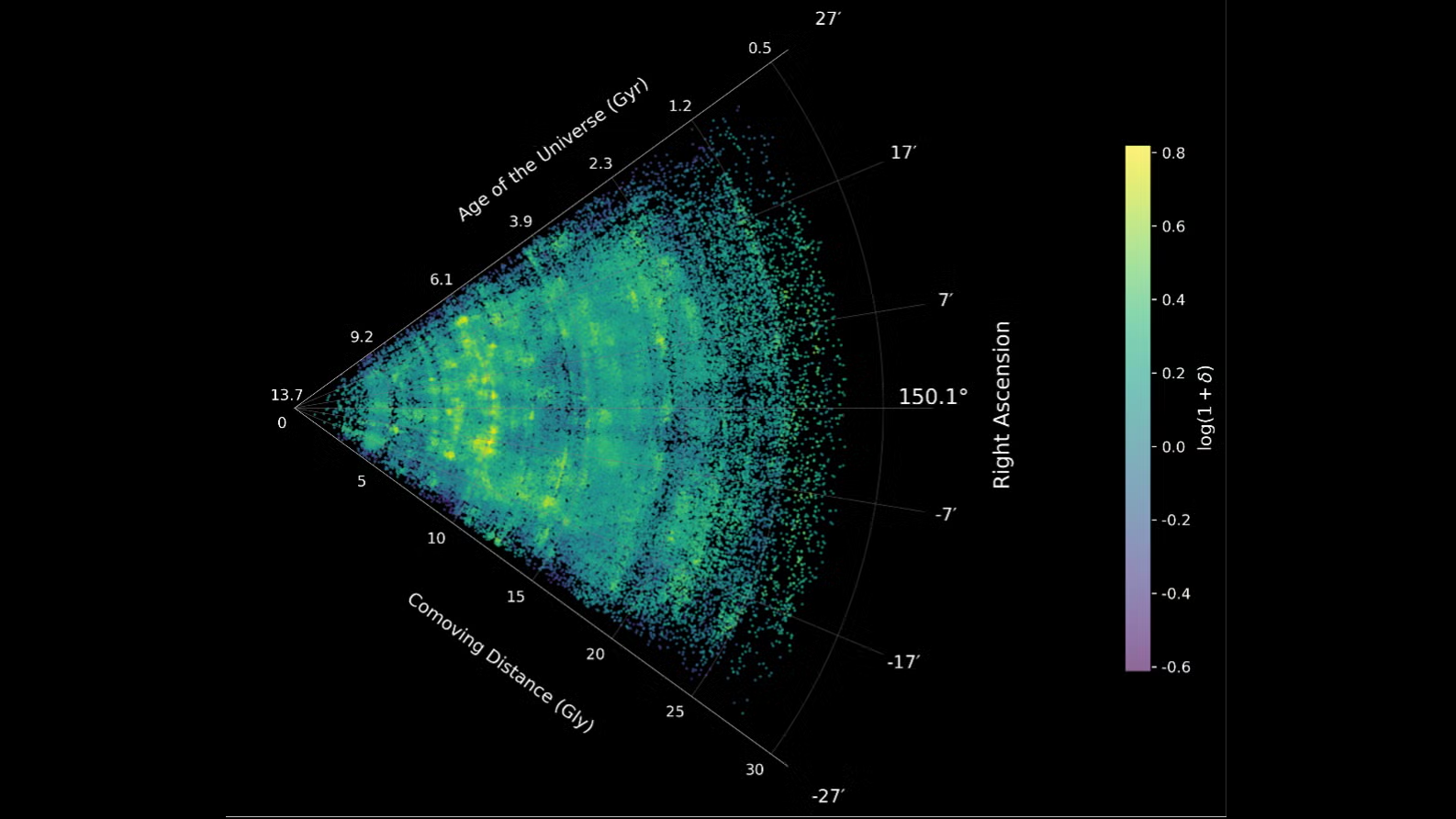
JWST's largest-ever survey reveals how galaxies have evolved over 13 billion years within the vast structure known as the cosmic web.
The LHC has entered a four-year shutdown for upgrades. It will return in 2030 as the High-Luminosity LHC, colliding 10 times more particles.
Researchers built an AI worm that autonomously spreads across networks by finding and exploiting vulnerabilities — no human intervention required.
A population in the Argentinian Andes carries a gene variant that helps them metabolize arsenic more safely after thousands of years of exposure.
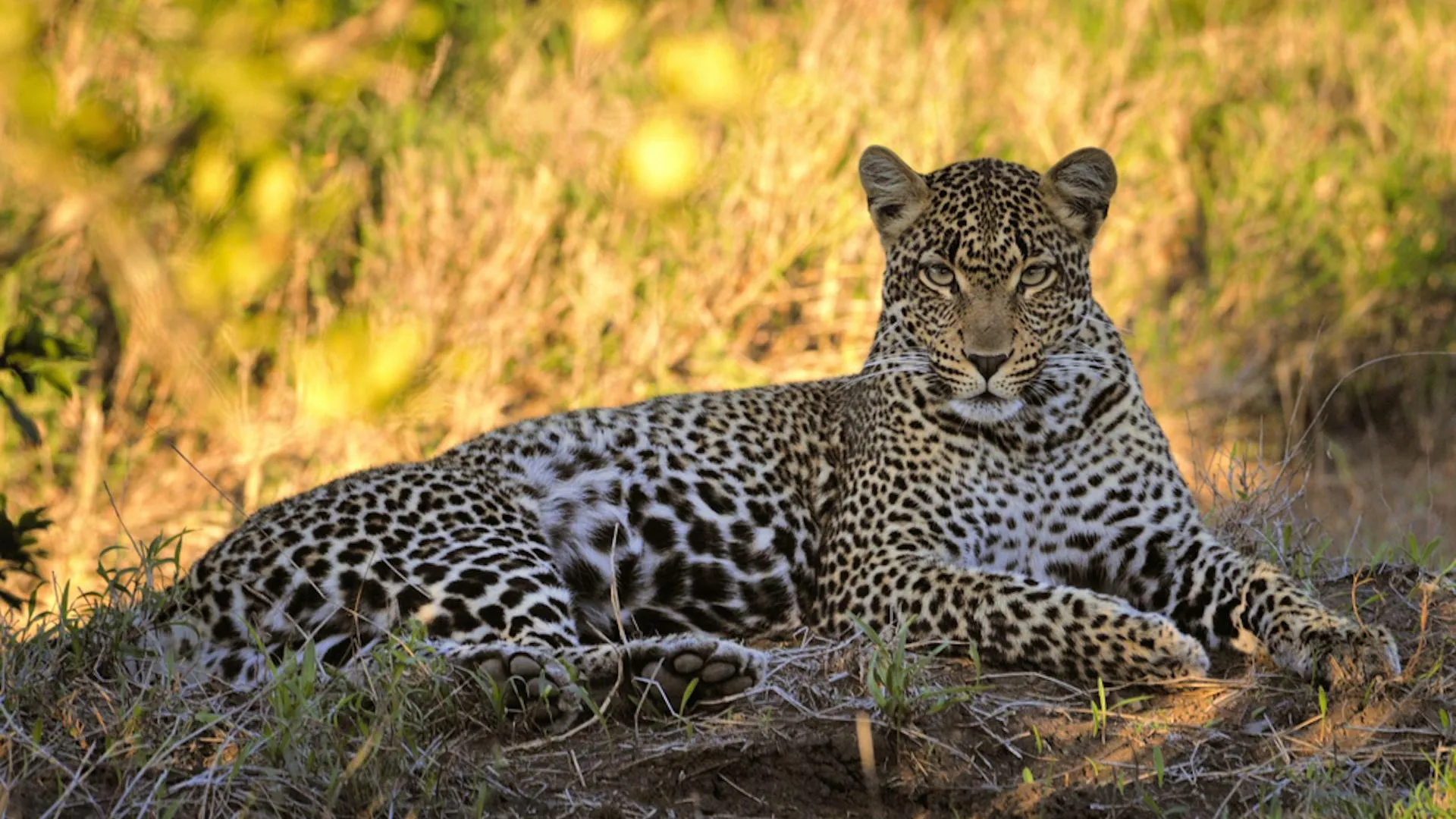
A whole-genome study reveals South Africa's Cape leopards form a distinct genetic group, isolated for 20,000 years and adapted to smaller prey.