Space
1,700-Year-Old Odyssey Fragment Found in Dutch Library Book
A researcher discovered a torn parchment containing lines from Homer's Odyssey tucked inside a Dutch library collection. The fragment dates to around A.D. 300.
A researcher discovered a torn parchment containing lines from Homer's Odyssey tucked inside a Dutch library collection. The fragment dates to around A.D. 300.
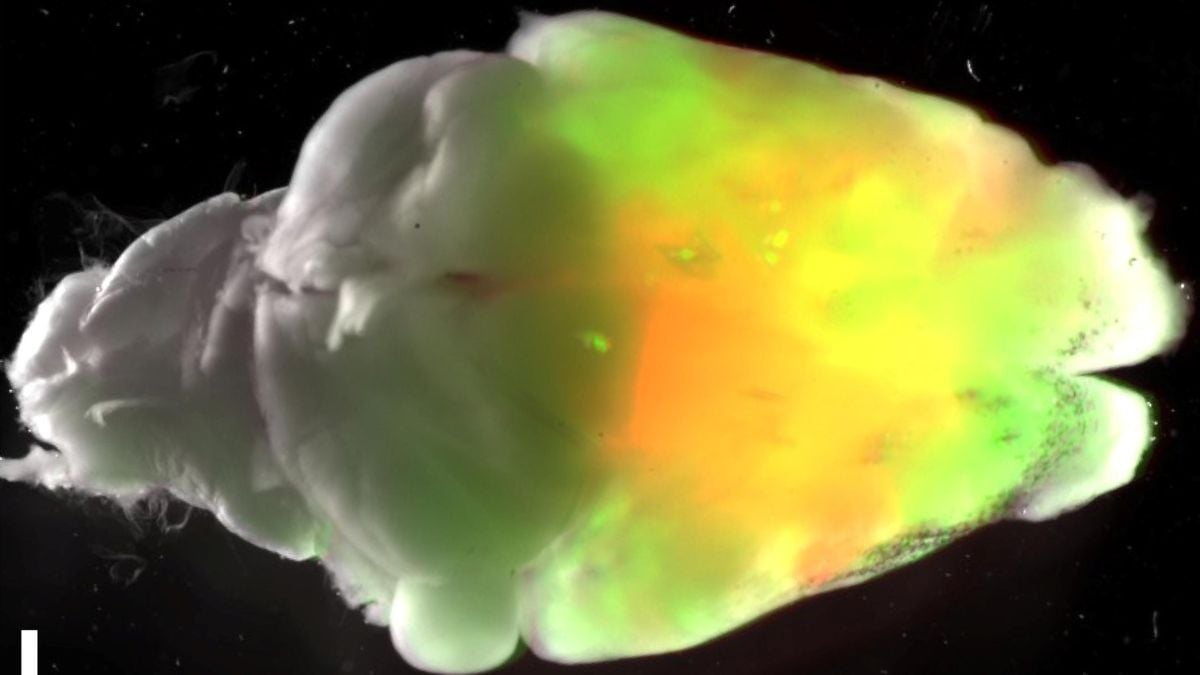
Stanford researchers grew human cortical tissue inside mice, where it expanded to fill 90% of cortical volume and wired into the mouse nervous system.
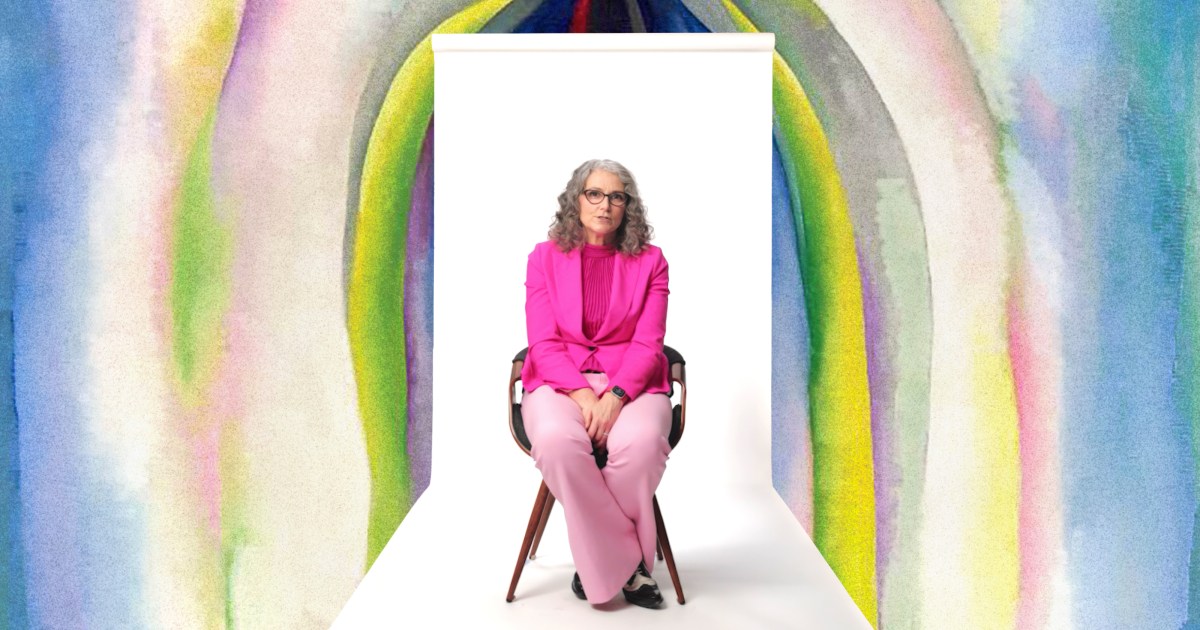
Dr. Jen Gunter explains the biology of menstruation and menopause, and why centuries of misinformation have harmed women's health.
A new study suggests immune cells activated outside the brain may drive Alzheimer's neurodegeneration, pointing to potential new treatment targets.
A tsunami near Nice could arrive in under 10 minutes. Researchers and officials are mapping routes and training residents before the next wave.
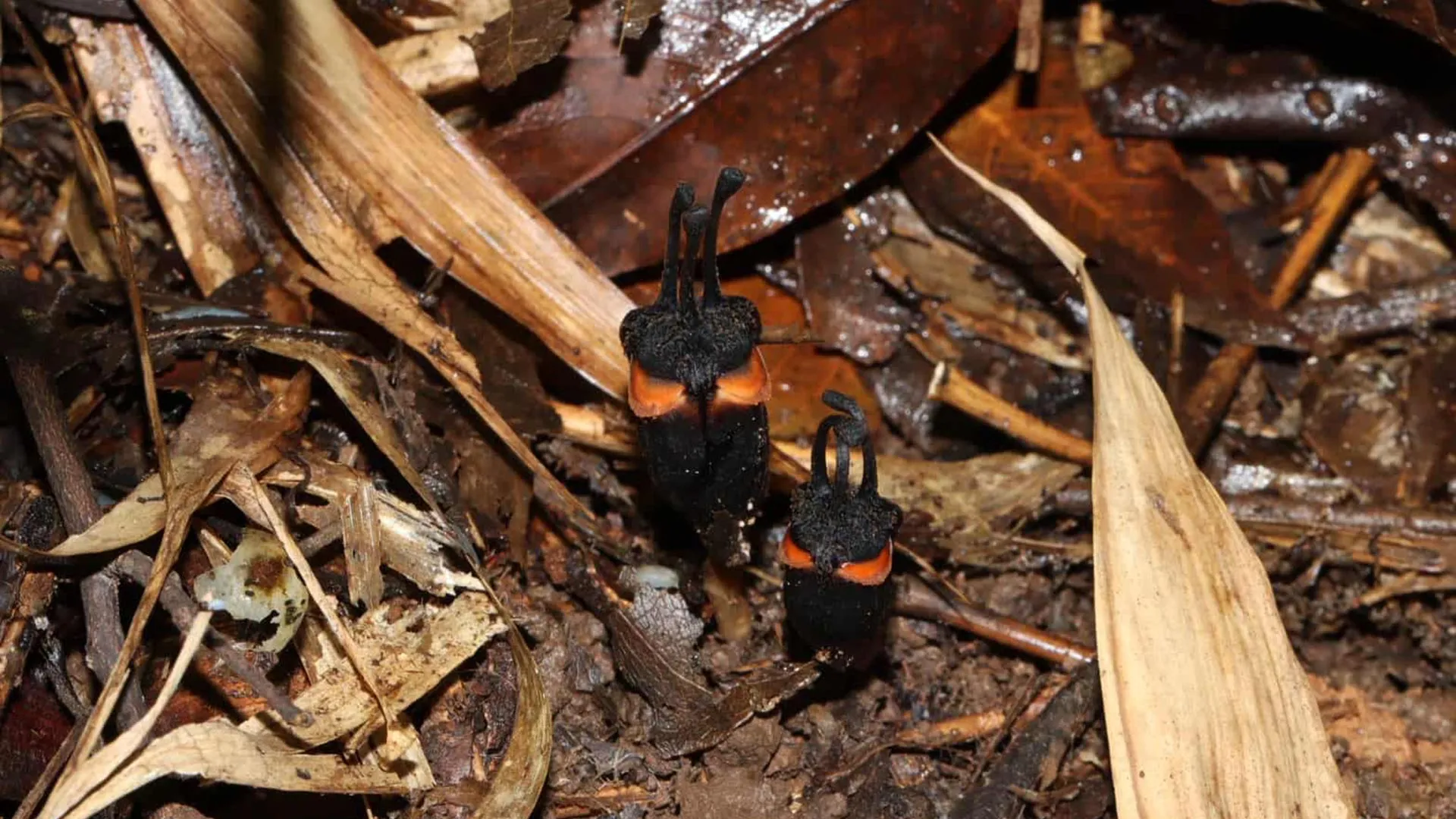
Scientists discovered a striking black, horn-bearing plant in Thailand. With fewer than 50 known individuals, it may already be near extinction.
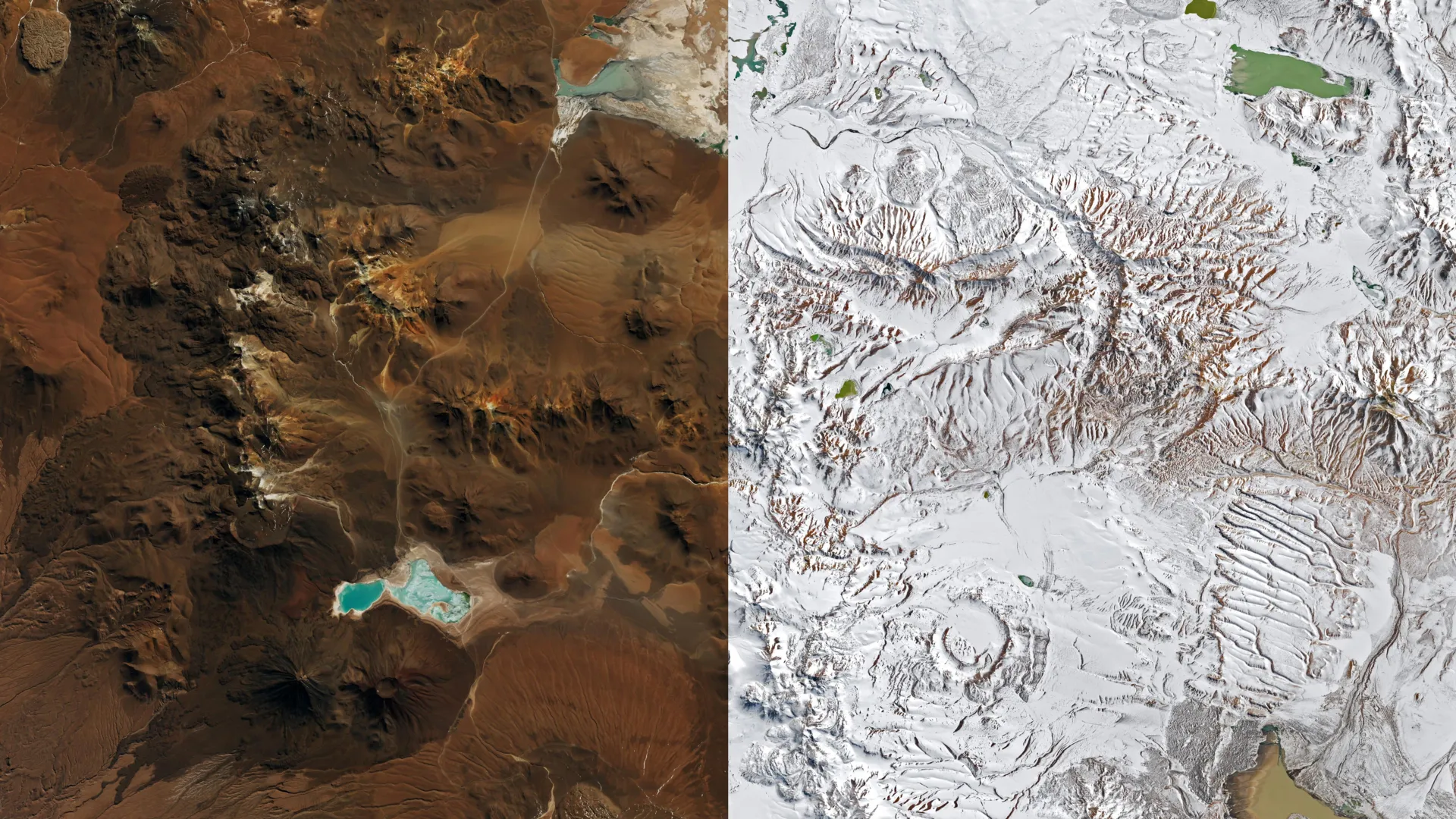
Unusual winter storms brought sweeping snow across the Atacama Desert in August 2026, disrupting major observatories and delivering a decade's worth of rain in
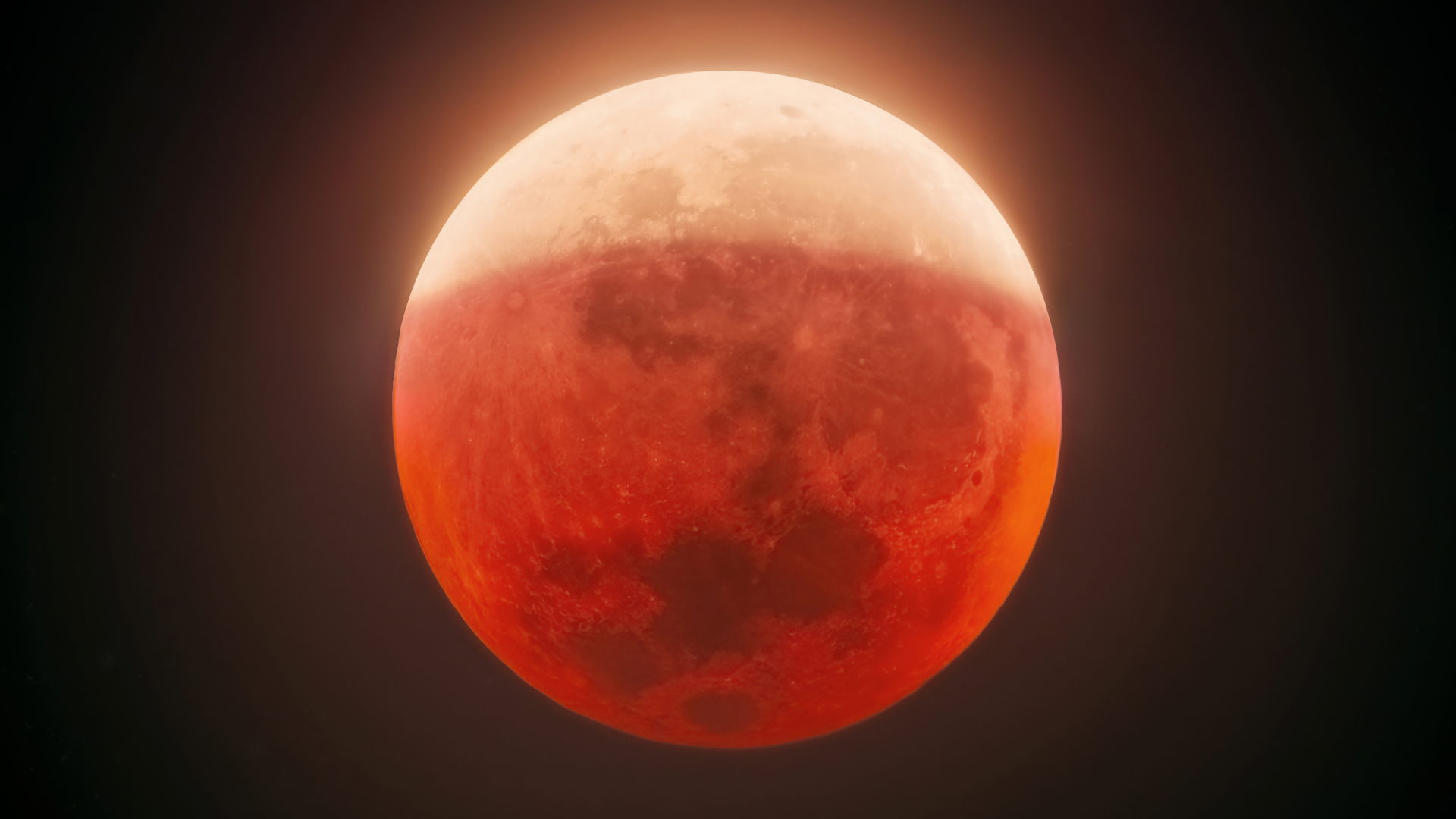
A very deep partial lunar eclipse will cover 96% of the moon in a coppery red glow. Here's when and how to watch it.
New Columbia University research finds neurogenesis halts in depressed adults, revealing molecular targets that could lead to new treatments.
Researchers used one donor's corneal tissue to create hundreds of lab-grown implants via 3D bioprinting, potentially solving a global transplant shortage.
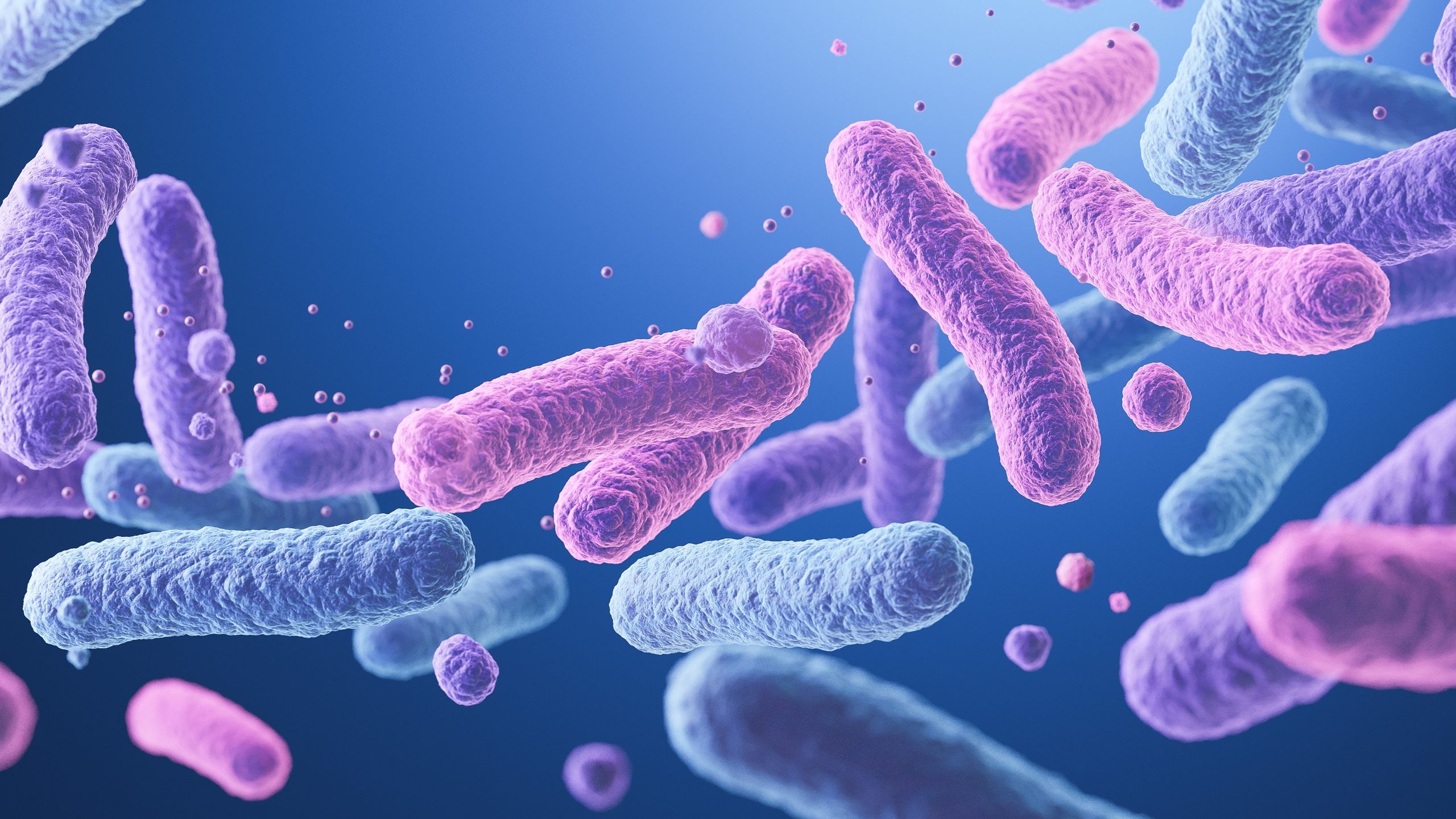
Researchers used engineered gut bacteria to deliver immune therapy directly into pancreatic tumors, slowing growth in animal models.
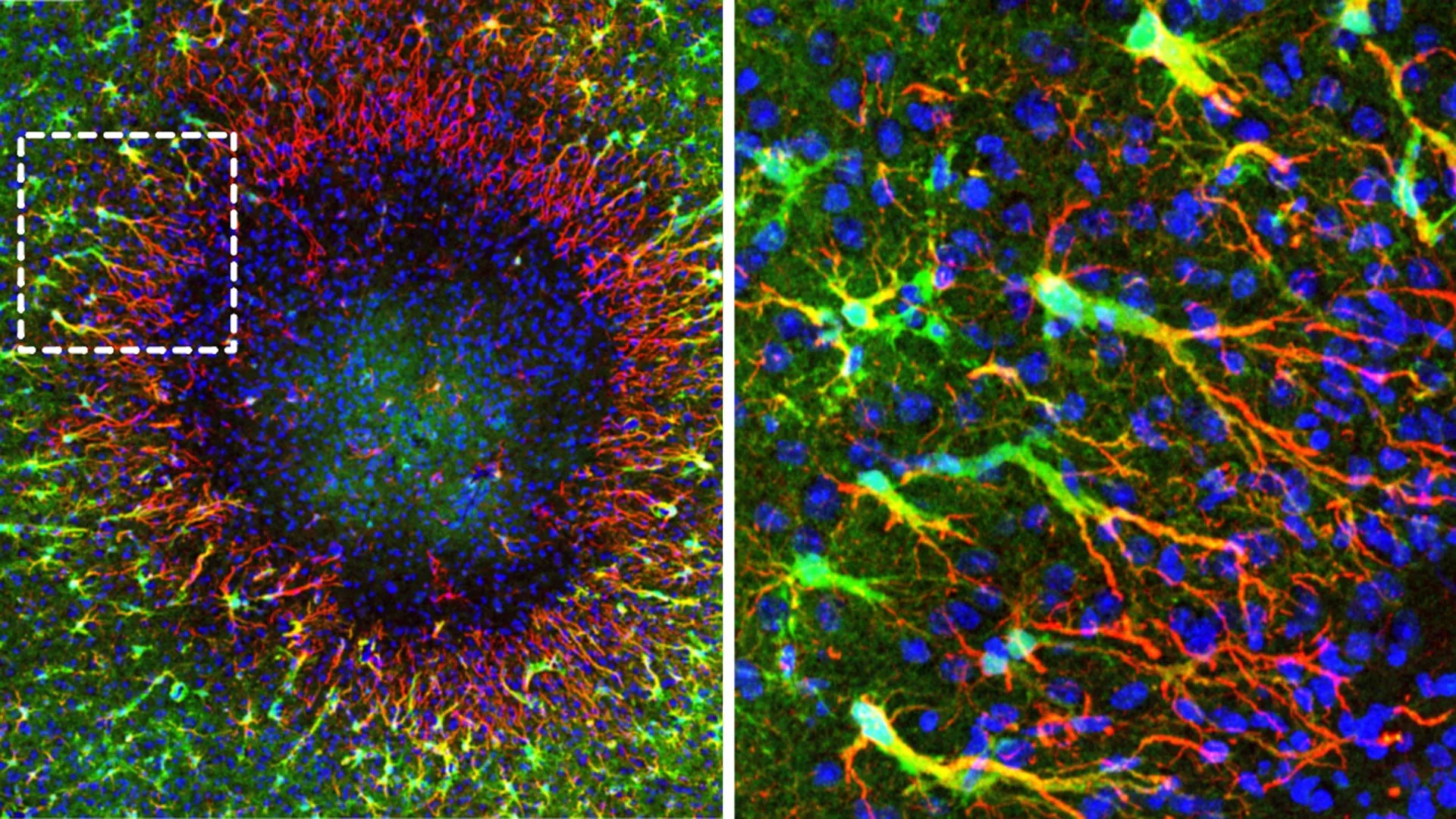
Researchers found specialized brain cells can rebuild damaged tissue by sending newly formed nuclei into injured areas, revealing an unknown self-repair ability
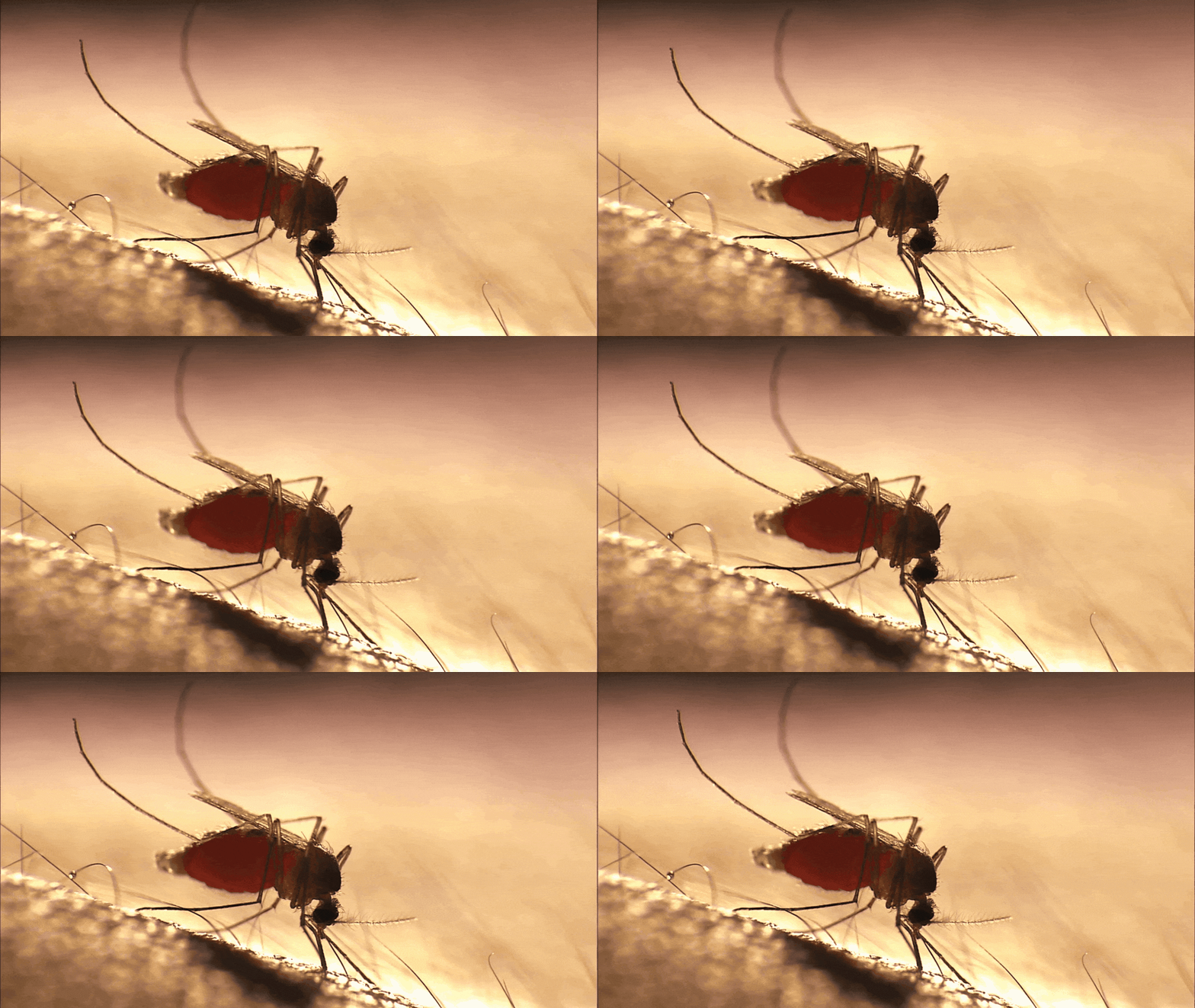
A genetic analysis of P. falciparum in Ethiopia reveals the malaria parasite is stockpiling resistance markers against multiple drug treatments simultaneously.
New research suggests that changes in uterine bacteria may contribute to age-related fertility decline, and that bolstering certain species could help.
A new study warns that around 20% of the world's reservoirs are already at high risk of filling with sediment, with half potentially inoperable by 2060.