Scientists Are 3D Printing Corneas to Restore Vision
Researchers used one donor's corneal tissue to create hundreds of lab-grown implants via 3D bioprinting, potentially solving a global transplant shortage.
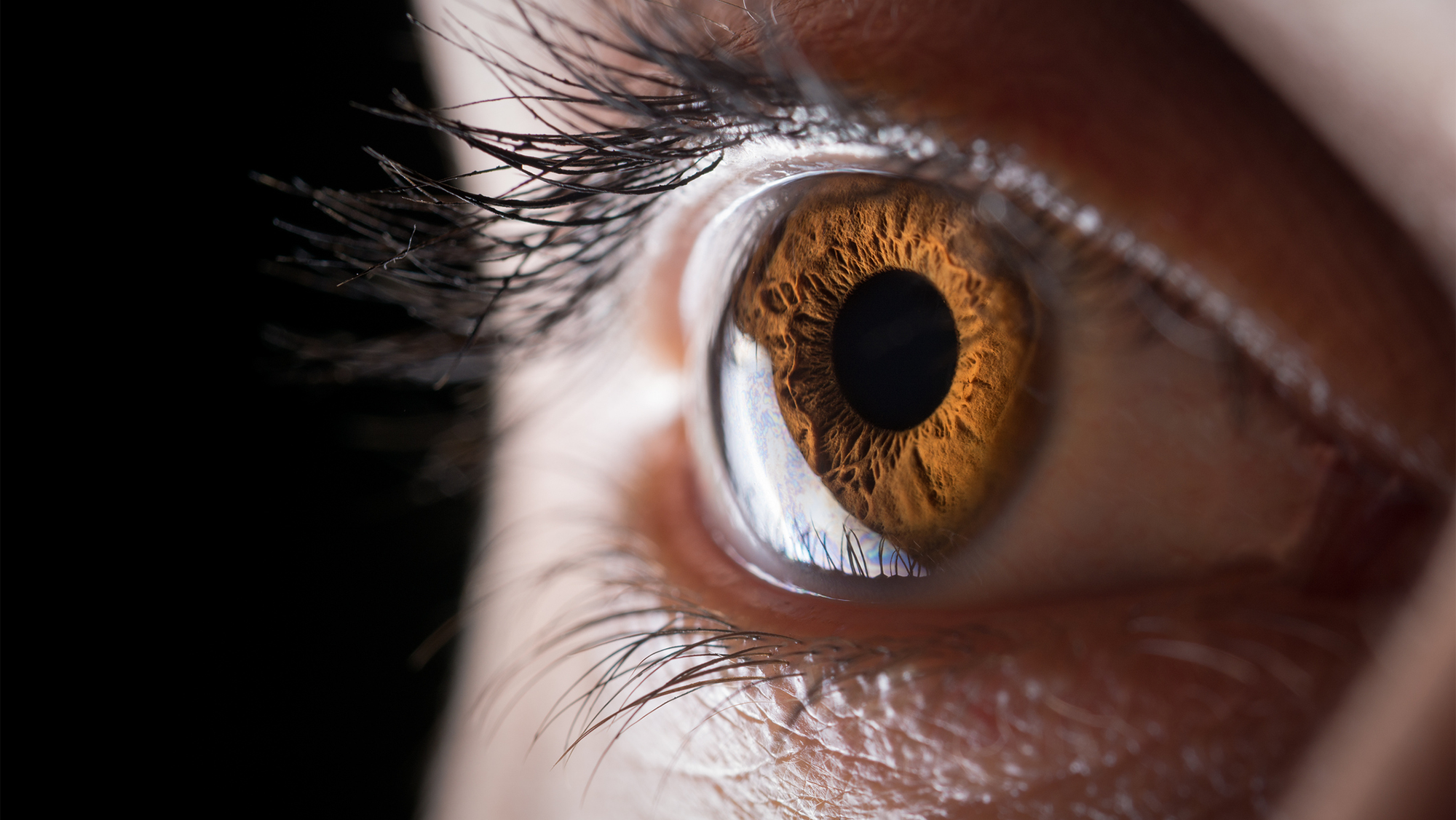
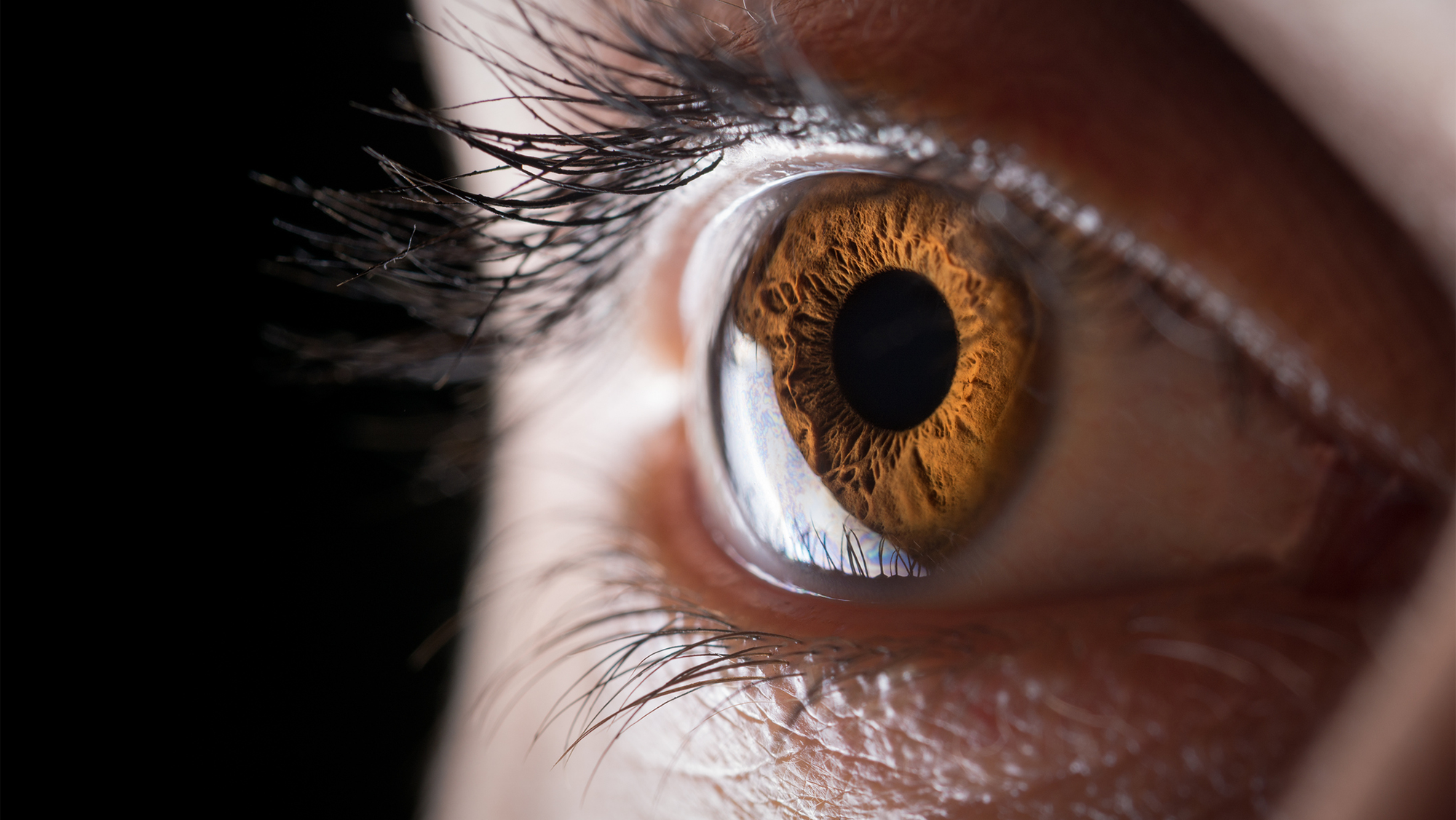
Rather than collecting corneas from organ donors, doctors could someday use bioprinted corneas for transplant procedures, these scientists say. (Image credit: Roland Maria Reininger via Getty Images)
Last year, scientists achieved a historic first by providing a patient with the first-ever corneal implant made solely of human cells grown in the lab.
Corneal transplants are used to treat severe corneal scarring and inflammation, eye injuries, and complications from eye surgeries. They replace the clear dome at the front of the eye, and usually, the tissues for the procedure are collected from organ donors after death. In this case, one donor’s corneal tissue was used to create hundreds of implants through sophisticated laboratory culture techniques and 3D bioprinting — an approach that could significantly reduce the worldwide shortage of transplantable corneal tissue.