Jennifer Doudna on 14 Years of CRISPR: Cures, Costs, and Climate
Nobel laureate Jennifer Doudna reflects on CRISPR's biggest milestones, from a $2 million sickle cell cure to reducing methane from cattle farming.
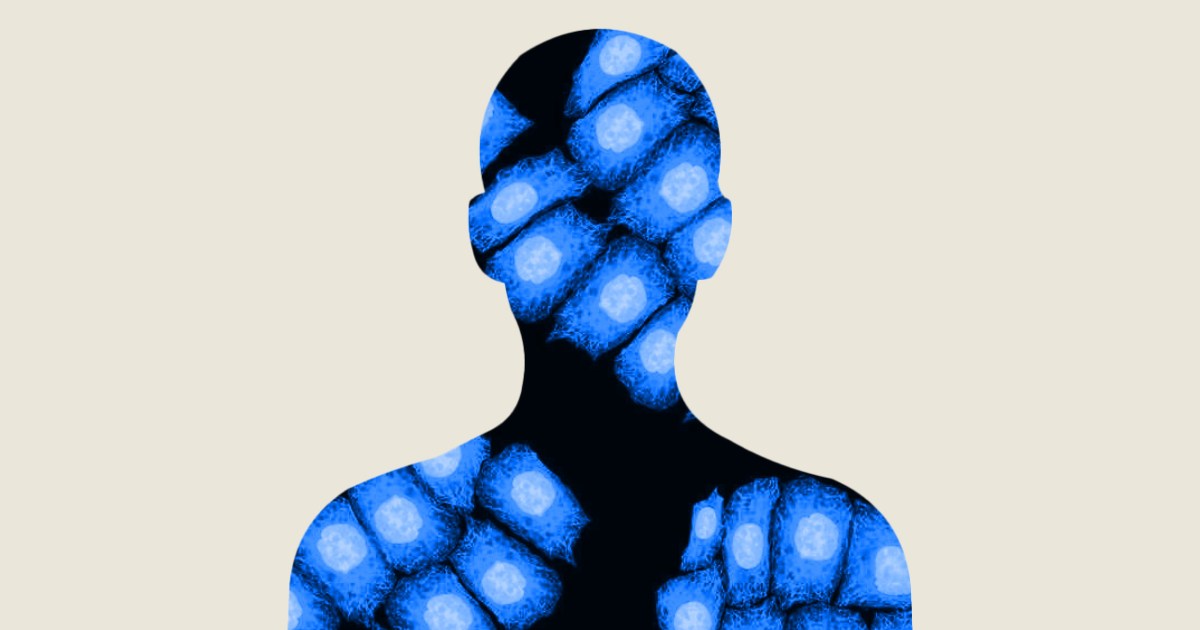
Fourteen years after co-inventing CRISPR, Jennifer Doudna checks in on what it’s become. The Nobel Prize-winning biochemist walks through the technology’s biggest moments — the 2012 discovery, the 2018 CRISPR babies announcement, and today’s $2 million but functionally curative therapy for sickle cell disease — alongside newer applications like reducing methane emissions from cattle farming.
Doudna also acknowledges unfinished work ahead: the cost still keeping that cure out of reach for most patients, and the responsibility of guiding a technology she describes as a genie that can’t go back in the bottle.
I do remember the day we were talking about an experiment with CRISPR and we recognized right then that CRISPR was going to be a powerful technology. I went home and I was cooking dinner for my son, who was about six years old at the time. I was standing at the stove, boiling water for spaghetti or something like that, and I just burst out laughing in my kitchen. My son looked at me and said, “Why are you laughing, mom?” And I said, “Because bacteria have this crazy protein. They’ve evolved this incredible system for DNA binding and cutting.”
We knew right away that the technology would be exciting, but I did not anticipate how much my life would change.
We published the paper reporting this finding in the summer of 2012. I started getting notes from colleagues in different parts of the world — they were starting to use CRISPR in different kinds of cells and organisms. It was clear that a lot of people had read this paper and recognized immediately its potential.
What CRISPR Actually Means
CRISPR is a great acronym, but what does it mean? It stands for Clustered Regularly Interspaced Short Palindromic Repeats. I like to use the analogy of a word processor: it allows scientists to literally change the letters and words in the code of life, making alterations to cells and organisms. That means we now have the potential to do things that are quite profound — like changing disease-causing genes, which is already being done. But it also means we have the opportunity to change the course of human evolution, if we choose to do that.
The CRISPR Babies Announcement
The announcement of CRISPR babies — babies who had actually had their genomes edited as embryos — was a really shocking thing at the time. Many people were caught off guard. It’s one of those technologies where, once the genie is out of the bottle, you can’t really put it back. It’s a moving target. So I’ve had to figure out how to navigate that with CRISPR: how to encourage responsibility among scientists around the world, and how to wrestle with a powerful tool that has a lot of great potential but also comes with real risk.
CRISPR and Climate Change
When I first started talking about CRISPR for climate, I got a lot of quizzical looks — people saying, “What does CRISPR have to do with climate change?” Because of the nature of this technology and the way it allows manipulation of genomes of any type of organism — microbes, plants, insects, all of the creatures that have to come together for agriculture to work — we can manipulate the genes in microbes in the cow gut that are responsible for producing methane. Methane is a powerful greenhouse gas, and a lot of the methane produced around the world from human activities comes from cattle farming. Imagine that we could mitigate that by using CRISPR to dial down methane production in those microbes. It sounds a bit science fiction-y, but we’re doing it — this is actually happening.
Gene Drives
There’s also an application called a gene drive. CRISPR can be set up so that it passes quickly to other organisms in a population — mosquitoes, for example. People are thinking about this in terms of mitigating the impact of mosquito-borne diseases, which would have tremendous public health impact if it could be done safely. There’s also a flip side, though: could this lead to an undesired or uncontrolled spread of a trait in a population that might be dangerous in the environment, or wipe out a population of insects that are providing food for something else in the ecosystem?
That means we can never sit back and say our ethical work is done. We have to continue looking at the opportunities and the risks, and grapple with them to encourage responsible use of CRISPR — both in human health applications and in environmental uses.
Helping People with Incurable Disease
In the CRISPR field, there’s always something going on, whether it’s creating dire wolves or the latest breakthrough in human embryo editing. But I don’t think there’s anything that gets attention as much as helping people with incurable disease. That speaks to every one of us. We’ve all had health challenges in our families, and I hear almost daily from people dealing with health challenges, often involving their children. There’s something very deep and visceral about a technology that can truly change the course of a life that would otherwise be doomed to a terrible disease.
I’m incredibly excited about the FDA approval of a drug based on CRISPR. We’re using it now as a therapy for patients with sickle cell disease — a devastating illness that was truly disruptive to people’s lives. This CRISPR therapy is a one-and-done treatment, and it provides what looks like a functional cure. It’s amazing for patients.
But can we simply say, “Great, we’ll give everybody who needs it this therapy”? Unfortunately not, because it’s expensive — a $2 million price tag right now. Thinking about how to bring that cost down is something we work on a lot. It will require technical advances we don’t yet have, but also working with manufacturers to figure out how to produce these molecules more efficiently than has been done before. There are really interesting opportunities to scale up a therapy so that we can treat hundreds of thousands or even millions of people.
What Comes Next
There’s never been more going on in science than there is right now. Technical breakthroughs are extraordinary, and advances in AI are accelerating biology. We have more opportunities than ever before not only to understand the causes of disease, but actually to deal with them. How are we going to immunize people against Alzheimer’s? That would be extraordinary — and CRISPR could potentially do that. Prevent people from having heart attacks? CRISPR can potentially do that too.
The longer-term challenge is how we apply science in ways that will be truly meaningful: for human health, for our environment, and in our relationship with the other organisms that shape life on this planet.