Replacing Cells' Powerhouses Could Transform Transplant Surgery
About 10,000 US babies a year are born with critical heart defects. Researchers are exploring whether replacing mitochondria could help.
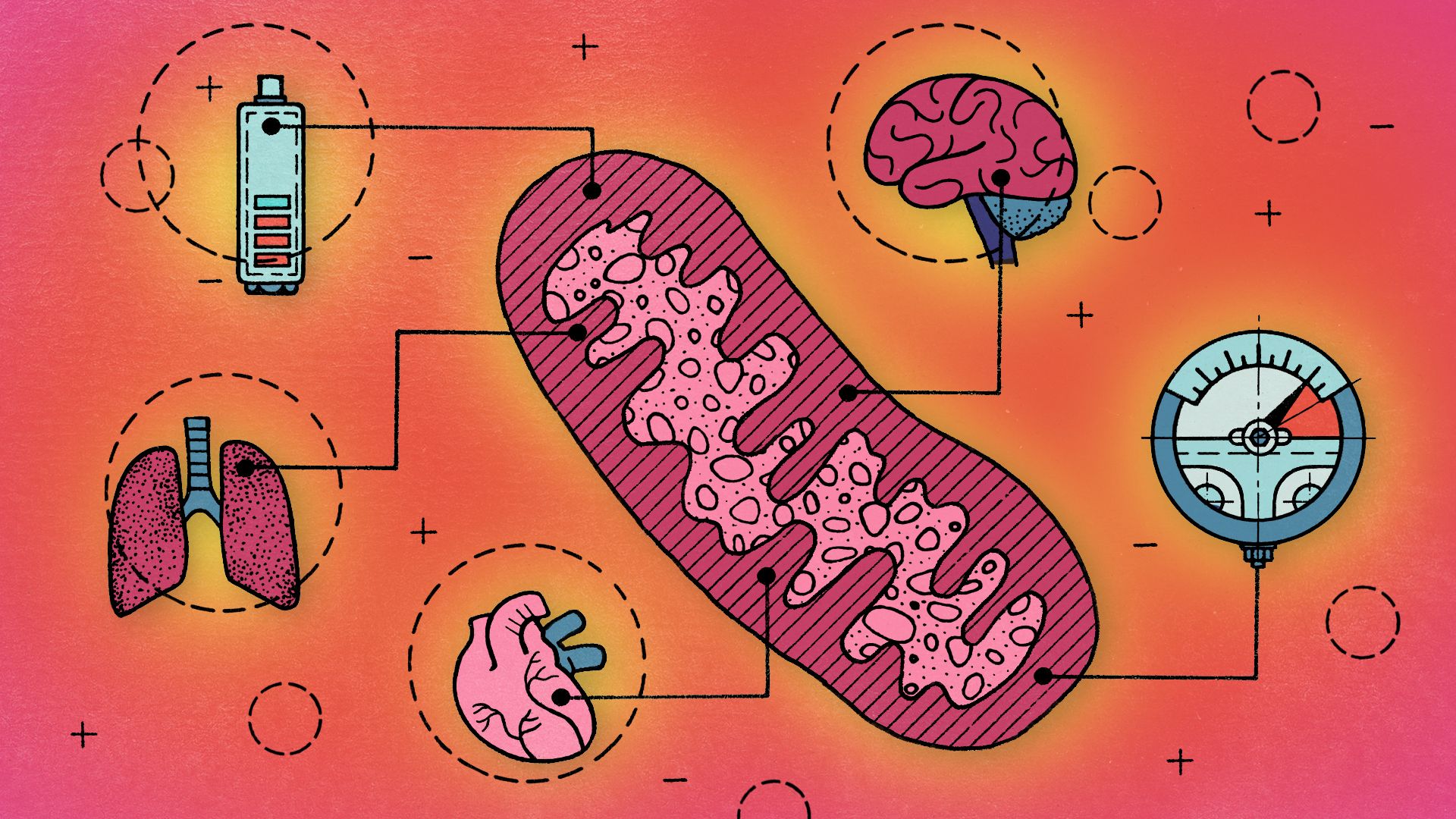
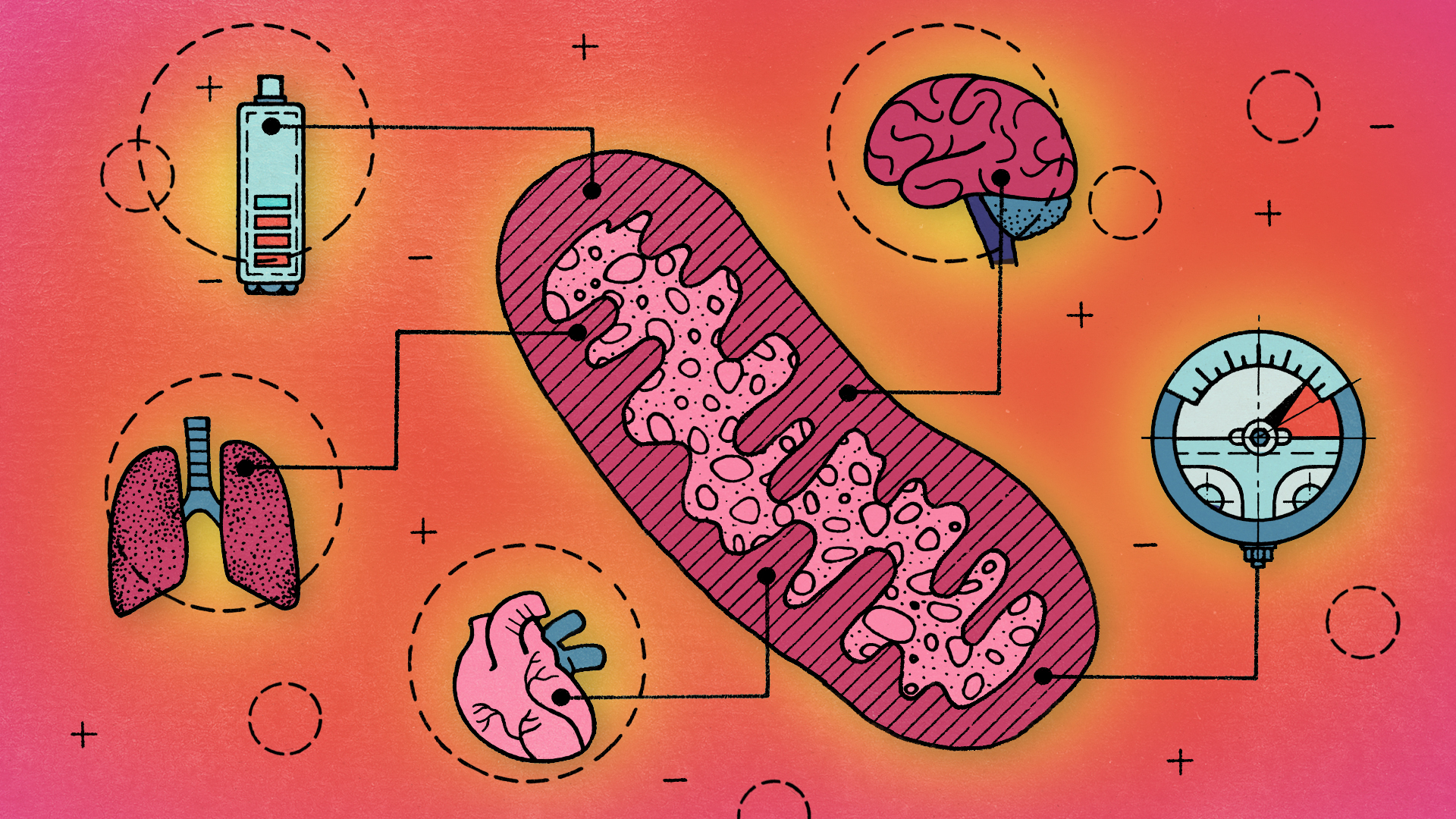
Mitochondrial transplantation is based on a simple premise: When a battery dies, you replace it. (Image credit: Christian Gralingen for Live Science)
A newborn baby’s heart is roughly the size of a walnut — which makes open-heart surgery challenging.
Each year, about 10,000 babies in the United States are born with critical heart defects that may require surgery to fix, often fairly soon after birth. In these infants, the two major arteries of the heart could have swapped positions or the left side of the heart may be far too small to pump properly.
For these tiny patients, scientists are exploring a different kind of repair: replacing the mitochondria, the powerhouses inside cells, much as you would swap out a dead battery.